Before discussing sports nutrition for cutting or weight loss, it is important to understand the difference between these two processes. At first glance, the goal seems the same—to lose weight. But in reality, the goals differ, and so do the methods and timeframes for achieving them.
What is the difference between losing weight and getting lean?
All the information is summarized in the following table:
Weight Loss |
Cutting | |
| 1. Goal | Lose a couple of extra kilograms | Get rid of body fat while preserving muscle mass |
2. What does it take to achieve this goal? |
Diet | Diet + gym workouts |
| 3. What causes this process? | The amount of water decreases and muscle mass “shrinks” |
But this is unacceptable when cutting. After all, an athlete didn’t spend years building muscle only to lose all that progress in a couple of months. Accordingly, they try to preserve muscle mass while burning only subcutaneous fat.
Let’s clarify a few points. When losing weight, a person wants to shed excess kilograms at any cost, even if it means losing muscle. In this case, it doesn’t really matter to them.
Sports nutrition for cutting
Speaking of sports supplements. Since the body experiences a severe shortage of nutrients during cutting, you’ll most likely need supplements. What should you take in this case?
Protein intake should also be reduced to 1.5 g per 1 kg of body weight. And it’s best to get it from low-fat foods. Your body should get 70% of its protein from food and 30% from sports supplements. This will speed up the fat-burning process.
During the cutting phase, an athlete needs to create a personalized meal plan and train consistently. In this case, a low-carb diet is used. This means that for several weeks, you’ll need to consume about 45–50% of your usual daily carbohydrate intake. However, you should reach this amount by gradually reducing portion sizes (to avoid negative effects on the body).
Fat Burners
The rate of fat burning directly depends on metabolism. The faster this process is, the more calories the body burns. Everyone has a different metabolism, but to get lean, you need to speed it up. Fat burners help with this. They accelerate metabolism and calorie expenditure, which is exactly what’s needed. But this only works when following a low-carb diet.
Omega-3
This is perhaps the most underrated supplement.
After all, it:
- strengthens the immune system.
- improves heart function;
- has a positive effect on the body’s cells;
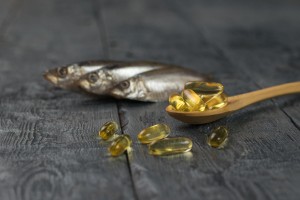
But its main property is reducing the activity of genes that synthesize fat. This is exactly what you need to lose body fat. The body does not synthesize it, so you can get it by taking capsules (2 per day is enough).
Protein
Next up is a protein complex. It contains minimal amounts of carbohydrates and lactose, making it an excellent choice for athletes. In terms of digestibility, protein can be fast, medium, or slow-digesting, but for cutting, it’s best to choose the slow-digesting variety. It provides the body with the necessary amount of protein without being stored as fat, meaning it doesn’t interfere with achieving your goals at all.
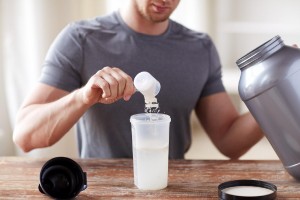
It is recommended to take half a scoop of protein 2 hours before your gym session, 1 hour after you finish, and between meals when you feel hungry.
BCAA Amino Acids
This dietary supplement contains leucine, valine, and isoleucine. These are the components the body needs during the cutting phase. Typically, the body draws them from muscle mass, which is unacceptable in this case. To prevent muscle loss, you need to take BCAA amino acids.
They have no effect whatsoever on fat burning. However, amino acids preserve muscle mass—which is one of the key goals during the cutting phase.
Vitamin and Mineral Supplements
Vitamins round out this list. Diets often lead to a severe deficiency of nutrients necessary for the body to function normally. This slows down metabolism overall. Therefore, it’s a good idea to take vitamins—1 capsule 2–3 times a day.
How should women cut?
The same sports nutrition guidelines apply to women cutting. There are no special restrictions here. However, women have different physiology, so they are allowed a few exceptions.
First, you shouldn’t eliminate fatty and high-calorie foods from your diet. Otherwise, this will lead to an imbalance and unpleasant consequences: a drop in hormone levels, a decrease in metabolism, and weakened ligaments. The reasons are simple: a woman’s body naturally contains a high percentage of fat, and this needs to be maintained.
Second, women don’t necessarily need to train as intensely as men. After all, men are stronger, more resilient, and, accordingly, can handle more strenuous workouts. Women’s muscles aren’t as well-developed, so their workouts should be less intense.
Sports Nutrition for Weight Loss
In this case, preserving muscle mass is generally not necessary, so BCAAs, protein, and omega-3s can be ruled out right away. The only thing needed is fat burners. This is the main sports nutrition for weight loss.
Of course, they come in a wide range of products, and the variety of dietary supplements is very large. But generally, based on their mechanism of action, sports nutrition in this category is divided into three types:
- appetite suppressants;
- fat burners;
- meal modifiers.
As the name suggests, the first type suppresses hunger and thereby reduces appetite. As a result, you’ll end up eating much smaller portions than usual.
Fat burners are the classic option. This category includes L-carnitine, which is familiar to many; it breaks down fats and converts them into energy.
Meal replacements take the place of regular meals. The main advantage is that they contain only vitamins and beneficial nutrients, with no fats or cholesterol.
In Conclusion
Remember that even the best sports nutrition for cutting and definition or weight loss won’t help on its own. First, you’ll need to go on a diet, since that’s the foundation of everything. To burn fat, your body must consume fewer calories than it burns, which means cutting high-calorie foods from your diet. And if you’re aiming to get lean, you’ll need regular workouts at the gym in addition to your diet. Follow these simple rules—and then sports nutrition will help you reach your desired goal much faster.
Scientific sources:
Dietary Supplements for Weight Loss: Information for Healthcare Professionals
Dietary supplements for exercise and athletic performance: information for healthcare professionals
Omega-3 fatty acids: information for healthcare professionals
A systematic review of dietary supplements and alternative treatments for weight loss