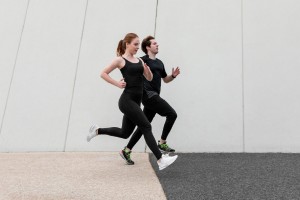
The Overall Effects of Walking on the Body
Walking is a natural and common form of physical activity that can significantly impact our physical and mental health. This simple form of exercise brings about many positive changes in our bodies, contributing to an overall improvement in physical condition and emotional well-being. Plus, it requires no special training or equipment (just a pair of sneakers), and you can do it literally anywhere.
Walking is an aerobic activity that raises your heart rate and promotes better blood circulation. This helps maintain cardiovascular health and reduces the risk of heart disease and high blood pressure. Like most of the muscles in your body, your heart gets stronger during exercise. One study involving more than 80,000 postmenopausal women found that the risk of high blood pressure among those who walked the most was 11% lower than among those who walked the least. Furthermore, women who walked the fastest had a 21% lower risk than those who walked more slowly. Another study showed that walking at least 1 km daily can reduce the risk of cardiovascular disease and sudden death by 5–20%.
Regular walking helps with weight loss and maintaining a healthy weight. It burns excess calories, improves metabolism, and helps reduce body fat. Numerous studies have shown that a short walk after each meal can help maintain blood glucose levels. This is because your muscles need glucose as fuel for exercise, so it is removed from the bloodstream.
Walking strengthens the leg muscles, glutes, back, and abdomen. It also helps improve flexibility and joint mobility. Regular physical activity boosts energy levels, leaving you feeling alert and full of vitality. Whether you choose to walk in the morning or in the evening, studies have shown that people who walk regularly report sleeping better. This exercise can help clear your mind and tire out your muscles, so you’ll fall asleep more easily at the end of the day.
Regular physical activity, such as walking, helps improve cognitive function, including memory, attention, and concentration. Exercise promotes the release of endorphins—the “feel-good” hormones—which reduce stress and improve mood. Walking also helps reduce anxiety and lowers the risk of depression.
Factors Affecting Calorie Burn

Factors affecting calorie burn while walking can vary and depend on aspects such as walking intensity, workout duration, physical activity level, and your individual characteristics.
For example, the longer the workout lasts, the more calories you can burn. During prolonged physical activity, the body uses its energy reserves, which leads to calorie burning. At the same time, people with a high level of physical fitness can burn more calories while walking because their muscles use energy more efficiently.
In general, effective calorie burning while walking depends on a combination of many factors. Understanding these factors can help you plan your workouts more effectively and achieve your desired results.
The Impact of Walking Speed and Frequency
The impact of walking speed and frequency on calorie burning is a key aspect of fitness training. These two factors work together to determine how efficiently you expend energy and how quickly you can achieve your fitness goals.
Walking speed has a direct impact on the number of calories you burn during your workouts. The faster you walk, the more calories you burn. This is due to the amount of effort required to maintain a high speed, which demands more energy.
Walking pace is determined by the number of steps you take per minute. A higher step frequency means more movement per unit of time, which can increase the number of calories burned while walking. Increasing your pace will help improve your cardiorespiratory endurance and burn more energy.
The impact of different types of walking on calories burned:
- Moderate walking; At a moderate speed (about 5–6 km/h) and at a pace of about 100–120 steps per minute, you can burn approximately 240–300 calories per hour.
- Brisk walking: Brisk walking (7–8 km/h) at a pace of more than 120 steps per minute can increase calorie burn to 400–500 calories per hour.
Use modern gadgets that track calorie burn, step count, and other metrics to monitor your progress and refine your workouts. Overall, the optimal combination of walking speed and pace can increase the number of calories burned and improve your overall health. It’s important to keep this in mind when planning your fitness workouts to achieve the best results.
Weight and Body Composition
Weight and body composition play a key role in calorie burning while walking, affecting the effectiveness of your workouts and the results of your fitness program. For example, people with a higher percentage of muscle mass burn more calories because muscles are more metabolically active.
People with a higher body weight burn more calories while walking because their muscles require more energy to perform movements. Therefore, the more you weigh, the more calories you burn even when covering the same distance compared to someone with a lower body weight.
Although your weight and body composition matter, the intensity of your workouts is also important. Increasing your walking pace or doing interval training can significantly boost calorie burn regardless of your weight.
Activity outside of workouts also plays a significant role. Physically active people burn more calories even at rest, since their bodies have become more efficient at burning energy.
Proper walking technique can increase calorie burn. Lifting your knees higher while walking and actively swinging your arms can help you expend more energy, which means burning more calories.
Genetics play a role in metabolism. Some people may have a faster metabolism and burn calories more efficiently even at rest, while others may be prone to storing excess energy as fat.
Given these factors, it’s important to remember that every person is unique. An optimal workout strategy should take into account your weight, physical condition, fitness goals, and other individual characteristics. Advice from a doctor or a professional trainer can help you develop an optimal workout program that considers all these aspects and promotes effective calorie burning while walking.
Popular Types of Walking and Approximate Calorie Expenditure
Walking is a simple, accessible, and effective form of physical activity that can contribute to many beneficial changes in your body. This type of physical activity can be extremely varied, and it’s important to determine in advance which types of walking are right for you.
In this section, we’ll explore different types of walking and their approximate calorie burn. From moderate walking to vigorous workouts and specialized techniques—each type of walking has its own benefits and can help improve your physical condition and promote weight loss. Find out which type of walking is best for you and what results you can expect from each of these activities.
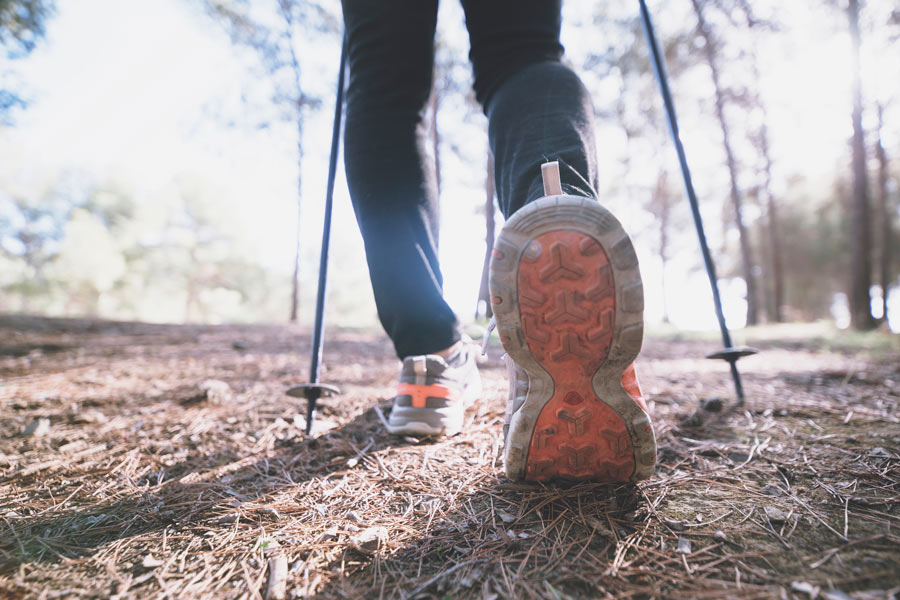
How many calories does race walking burn?
Race walking is the perfect way to combine physical activity with your body’s natural movements. This type of workout can be easily incorporated into your daily routine, as it’s not only convenient but also very effective for burning calories.
The number of calories you can burn while race walking depends on several factors:
- The faster you walk, the more calories you burn. Higher workout intensity leads to greater calorie loss.
- The longer your walk lasts, the more time your body spends burning calories. Duration is a key factor in energy expenditure.
- The more refined your technique, the more accurately you perform each movement. Engaging a large group of muscles promotes effective calorie burning.
According to general estimates, race walking can burn between 200 and 400 calories per hour, depending on the intensity of the workout and other factors. This makes it an effective and accessible way to manage weight and maintain overall physical activity. Remember that regular exercise and a balanced diet play a key role in achieving your fitness goals.
How Many Calories Does Nordic Walking Burn?
Nordic walking, also known as Nordic walking, is a specific type of physical activity that combines walking with the use of special poles—Nordic walking poles. This type of walking is becoming increasingly popular due to its numerous health benefits, including reduced stress on the joints, improved musculoskeletal health, and muscle strengthening. One of the advantages of Nordic walking is the high intensity of this type of workout, which can lead to active calorie burning.
Calorie burn during Nordic walking depends on several factors:
- The faster and more vigorously you move with the poles, the more energy you expend. Higher workout intensity leads to greater calorie loss.
- The longer your Nordic walk lasts, the more time your body has to burn calories. Duration is a key factor in energy expenditure.
- The more you weigh, the more calories you can burn with this type of walking. Nordic walking is easy on your joints, which is why people who are overweight tend to choose it.
On average, Nordic walking can burn between 300 and 500 kcal per hour, depending on the intensity of the workout and other factors. This makes it an excellent choice for those looking for an effective way to improve their physical fitness. As always, it’s important to listen to your body and work within your own limits during workouts.
How Many Calories Does Climbing Stairs Burn?
Climbing stairs is a great way to increase physical activity by using a readily available feature in any home, office, or public place. It’s an exercise that not only strengthens the leg and gluteal muscles but can also be very effective for weight loss.
The number of calories burned while walking up stairs depends on several factors:
- The faster you climb the stairs and the more steps you take at a time, the more calories you’ll burn. More intense workouts result in more calories burned.
- Your weight plays a significant role in the number of calories burned. People with a higher body weight burn more calories because their muscles require more energy to lift their body weight.
- The longer your activity lasts and the more times you climb the stairs, the more calories you burn. A high number of repetitions can lead to a significant energy deficit in the body, which means more calories burned.
- Various stair exercises, such as jumping or walking with side steps, can increase the intensity and calorie burn during your workout. In addition, this engages different muscle groups.
In general, walking up stairs can burn approximately 400–600 kcal per hour, depending on the intensity and the factors mentioned above. This makes this type of physical activity very effective for improving fitness and losing weight. As always, before starting any new exercise program, it’s important to consult a doctor or trainer for advice and recommendations.
How Many Calories Does Walking with Weights Burn?
Walking with weights is an effective way to increase the intensity of your workouts and boost calorie burn during exercise. Adding weight to your arms or legs while walking can increase the strain on your muscles, make your heart work faster, and boost weight loss.
The number of calories you burn while walking with weights depends on several factors:
- The heavier the weights, the more calories you burn, since your muscles must use more energy to overcome the additional resistance.
- The duration and intensity of your workout also affect the number of calories burned. The longer and more vigorous your walk with weights, the more energy you expend.
- Your fitness level plays a significant role in calorie expenditure. People who are in better physical shape burn more energy during intense workouts due to more efficient muscle function.
- The distribution of weight between your arms and legs can also affect the load on different muscle groups and, consequently, the number of calories burned.
In general, walking with weights can burn between 300 and 500 kilocalories per hour of walking, or even more, depending on intensity and other factors. This makes this type of activity effective for maintaining health, losing weight, and improving physical fitness. However, before starting a weighted walking routine, it’s important to seek advice from a specialist or trainer to avoid potential injuries and establish an optimal regimen for your body.

Walking as Part of a Weight-Loss Strategy
Walking can play an important role in the process of losing weight and improving overall health. This accessible and simple form of physical activity can be a key component of your weight-loss plan, as the consistent number of calories you burn while walking can help you lose weight.
One of the main causes of excess weight is consuming more calories than you burn throughout the day. Walking can help create a calorie deficit because it burns a significant amount of energy, especially if you walk for at least 30–60 minutes a day.
Regular physical activity improves metabolism and helps the body make better use of its existing energy stores, particularly fat. This can help reduce body fat percentage and facilitate weight loss. Walking engages many muscle groups, including the legs, glutes, back, and lower back. Improving muscle mass can increase the number of calories burned even at rest.
Walking can help reduce stress levels, which is one of the factors that lead to excessive compulsive eating. Reducing stress levels helps you gain better control over your weight and lower the risk of an unbalanced diet. Physical activity stimulates the release of endorphins, which boost mood and help regulate emotional states. This can help prevent “emotional” eating.
Walking can be an important part of a program to lose weight and improve overall health. It’s important to start with realistic goals and gradually increase the intensity and duration of your workouts while listening to your body. Along with a balanced diet and other forms of physical activity, walking can help you achieve your weight loss goals and improve your overall health.
Scientific sources:
Physical Activity — Information from the World Health Organization
2024 Physical Activity Compendium: An Update on Human Energy Expenditure for Various Activities
Estimation of energy expenditure during Nordic walking: a cross-sectional study
Heart Rate, Oxygen Consumption, and Energy Expenditure During Stair Climbing and Descending