Proper nutrition is essential for staying healthy, energetic, and looking your best. In addition, such a diet helps maintain a healthy weight. So, what should you eat to lose weight without compromising your health? In this article, we’ll discuss the basic principles, nutritional needs, and benefits of proper nutrition for weight loss.
Proper Nutrition: Basic Principles
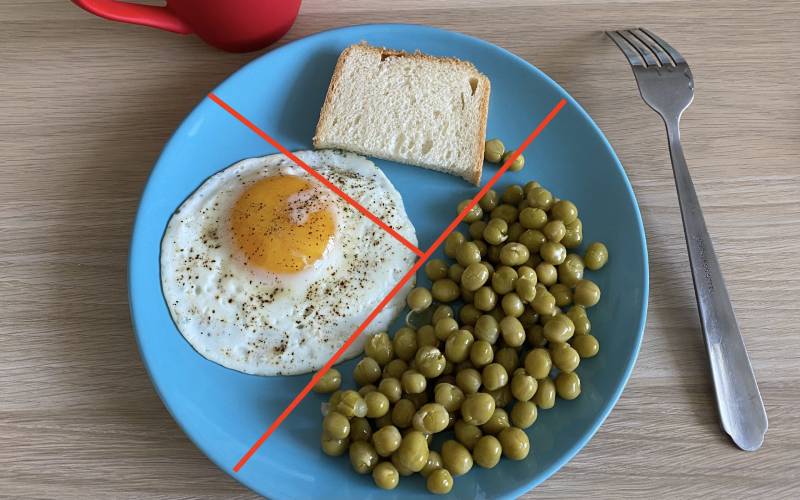
Nutrition science defines the formula for proper nutrition as a balanced diet that takes into account the individual characteristics of the human body and the activities a person performs throughout the day.
According to many nutritionists, the main principles of a healthy diet are:
Balanced Nutrition
This means that your diet should consist of foods from various food groups.
To illustrate this, let’s visualize it as a plate, where:
- half consists of vegetables and fruits
- one-quarter consists of grains
- the other quarter consists of meat and meat alternatives, as well as dairy products.
Nutritious Diet
It is important to ensure that your diet includes macronutrients (proteins, fats, and carbohydrates), which provide energy, as well as micronutrients (vitamins and minerals), which are necessary for the absorption, conversion, and proper utilization of macronutrients. To achieve the necessary range of nutrients and avoid deficiencies, you should consume foods from every food group every day—and several foods from each group.
Moderate Diet
A weight-loss diet involves a slightly low-calorie diet (but without nutrient deficiencies) that is maintained over the long term. This helps you lose weight, prevent obesity, diabetes, and certain types of cancer, and increase life expectancy. In addition, this type of diet reduces oxidative stress and prevents toxin buildup.
An example of how to adjust your diet: Start by reducing your portions of high-calorie foods (such as pasta and rice) by a quarter or a third, replacing them with healthy, low-calorie foods, such as vegetables.
Chrononutrition
It is well known that all processes in our body function according to the time of day. Chrononutrition is a rational approach to eating that aligns with the peaks in the release of various hormones, such as growth hormone, cortisol, insulin, and others. In the long term, this method helps you return to a healthy weight and improve your well-being
In practice, this means:
Morning. Growth hormone levels rise, enzyme production that breaks down fats increases, and insulin levels are low. You can eat foods rich in fats and carbohydrates, since all food will be converted into energy and will not be stored as fat. The difference for athletes: to build muscle mass, they need to consume more protein in the first half of the day.
Day. This is when the enzymes protease (which breaks down proteins) and amylase (which breaks down starches) are secreted. The ideal diet consists of animal-based proteins (meat, poultry, fish, etc.) combined with starchy foods.
Evening. The production of digestive enzymes slows down, and cortisol secretion decreases. This is the time for easily digestible proteins and soft fiber (raw or boiled vegetables).
Avoiding frequent snacking helps ensure the proper functioning of your circadian rhythm, regulate blood sugar levels, and support overall metabolism.
Mindful Eating
It is known that a feeling of fullness sets in about 20 minutes after the start of a meal. Chewing your food slowly is an effective way to eat in moderation. You should not sit in front of a computer or TV while eating, as this encourages overeating and impairs digestion.
Simple and High-Quality Nutrition
Eat fresh, locally sourced foods. Focus on seasonal fruits and vegetables. In winter, you can eat fermented vegetables such as sauerkraut, pickled cucumbers, and pickled tomatoes.
Many people give up on a diet because it isn’t enjoyable. Unfortunately, the high levels of salt, sugar, fat, flavorings, and flavor enhancers in processed foods often make them appealing. To counterbalance the appeal of these foods, you need to learn how to prepare delicious, healthy meals at home. For example, use herbs and spices, many of which are good sources of nutrients.
Healthy Cooking
To preserve all the beneficial properties of food, it’s best to cook at low temperatures, avoiding frying, grilling, and microwaving.
Individual Factors
Gender, age, body measurements, and physical activity are factors that should be considered when planning a diet. They determine the number of calories the body burns during daily activities. A man engaged in heavy physical labor at work needs more daily calories than a woman who works in an office. However, you shouldn’t consume fewer than 1,200 kcal per day for women and 1,600 kcal for men, as this is harmful to your health. The body will go into survival mode, storing fat and losing muscle mass.
Hydration
Our bodies are more than 60% water. This is the foundation of a healthy diet, as it helps dilute acids in the body. Proper hydration is essential for good physical condition and for cleansing the body. Experts recommend that adults drink 1.5 to 2 liters of fluid per day (or even more, depending on the ambient temperature and physical activity, including 4 to 6 glasses of water, light tea, soup, or herbal drinks.)
Which foods should you choose?

These foods include:
- lean meat and fish;
- low-fat dairy products;
- raw and cooked vegetables and fruits;
- legumes and whole grains.
Nutritionists have developed an ideal macronutrient ratio: on average, to lose 1 kg of desired weight, a person needs 1.5–1.8 g of protein, 0.8–1.0 g of fat, and the remainder should consist of carbohydrates (with only 5% of those being simple carbohydrates).
Protein
Protein-rich foods are the foundation of a weight-loss diet because they:
- maintains muscle mass
- boosts metabolism
- is a component of antibodies and enzymes
- plays a role in many physiological processes
- slows digestion
- stimulate fat burning
- requires more calories to digest than other nutrients
To lose weight, try to include 100–200 g of protein in each meal, depending on your weight and activity level.
Protein-rich foods include: meat, eggs, fish and shellfish, legumes, some grains, and dairy products.
Fiber and Complex Carbohydrates
Carbohydrates are the body’s primary source of energy. Choose low-glycemic-index carbohydrate sources, such as buckwheat, sweet potatoes, brown rice, quinoa, or oats. Vegetables can be considered low-glycemic-index carbohydrate sources. Plus, they’re rich in fiber.
Fiber offers numerous benefits for weight loss and overall health:
- it stimulates bowel movements
- increases feelings of fullness
- improves digestion and protein absorption
- lowers cholesterol levels
- reduces the impact of carbohydrates on blood sugar levels.
Lettuce, tomatoes, broccoli, spinach, white cabbage, green beans, and kale are excellent sources of fiber, as well as vitamins and antioxidants.
Healthy Fats
When we want to lose weight and burn fat, our first instinct is to cut out fat, but that’s a mistake. Fats are just as important for the body’s overall functioning as oil is for a car’s engine. In addition, most unsaturated fats promote fat burning, especially omega-3s found in fatty fish. In a weight-loss diet, “good fats” should make up at least 25% of your daily calorie intake.
The best sources of fats: fatty fish (such as salmon or herring), avocados, nuts, olive oil, nuts (walnuts, almonds, peanuts), and chia seeds.
What should be excluded from a weight-loss diet?
Foods to avoid for weight loss are those with high energy density. Despite their small volume, they often contain few nutrients and many calories.
Here is a partial list of foods that can cause you to gain weight quickly if consumed regularly or in large quantities:
- sugar
- sweet pastries, cookies, cakes, and pies
- processed grains
- fatty and fried foods
- fatty meats and sausages
- cheese, oil, whole cream
- refined cereals and flour-based products
- carbonated beverages and syrups
- alcohol
- fast food.
To lose weight, the following should be completely eliminated from the menu:
Processed foods and fast food
Fast food and ready-to-eat meals, which are loaded with salt, preservatives, artificial colors, and flavorings, are off-limits—they’re full of “empty” calories. Trans fats, which are often found in excess in these types of foods, inhibit protein synthesis and do not provide energy that the body can use. Instead, calories are stored as fat, and levels of insulin and harmful cholesterol rise, leading to metabolic disorders and diseases.
Refined sugar
Carbohydrates are a source of energy for our body and brain. But there are different types of sugars, with chains of varying lengths. The longer the chain of monosaccharides and disaccharides, the longer it takes for them to be absorbed. To lose weight or avoid gaining weight, you need to eliminate monosaccharides and disaccharides—and thus all simple sugars—from your diet. Avoid candy, children’s cereals, bread, pasta, cookies, spreads, and carbonated beverages.
Fruit juices
A glass of fruit juice contains as much sugar as a glass of soda. Vitamins are destroyed during the preparation, transportation, storage, and bottling of juice, so only a tiny fraction remains. In this case, you’re consuming only fructose, which is practically the same as sugar.
Sample Weekly Weight-Loss Menu

Weight loss involves creating an energy deficit, so first you need to determine your body’s daily calorie intake. To do this, you can use well-known formulas or online calculators. Then, depending on your chosen weight-loss plan, calculate your daily calorie intake.
Weekly meal plan based on 1,400 kcal per day
Monday
Breakfast: 1 egg, cooked any way you like, 100 g of beans (boiled or canned), 40 g of whole-grain bread, 40 g of hard cheese, and 1 cucumber.
Snack: A smoothie made with 150 g of plain yogurt with no additives, 1 banana, 15 g of flaxseeds, and 20 g of nuts
Lunch: 160 g bulgur/buckwheat/rice (cooked), 150 g lean fish (hake, boiled or baked)
Dinner: Greek salad: 1 tomato, 1 bell pepper, half an onion, 30 g olives, 30 g feta cheese, 1 tablespoon olive oil.
Tuesday
Breakfast: Oatmeal made with 50 g (dry weight) of rolled oats cooked in water or milk, 20 g of dried apricots, 1 tsp of honey
Snack: 1 hard-boiled egg and 1 apple
Lunch: 150 g of baked chicken breast and 250 g of vegetables stewed in water (fresh or frozen); dessert: 100 g of low-fat yogurt and 40 g of berries
Dinner: 140 g of chicken cutlets and 170 g of vegetable salad
Wednesday
Breakfast: 150 g of cottage cheese, 100 g of low-fat yogurt, 1 banana
Snack: 30 g of cottage cheese and 2 slices of bread
Lunch: 140 g of chicken cutlets and 200 g of stewed vegetables; dessert: 1 grapefruit
Dinner: 150 g of baked chicken breast and 170 g of vegetable salad with 1 teaspoon of olive oil
Thursday
Breakfast: Instant oatmeal (soaked overnight in milk or water), 1 tsp honey, 20 g nuts, berries
Snack: 150 g of cottage cheese
Lunch: 70 g (dry weight) of durum wheat pasta, 150 g of boiled squid, and 100 g of boiled green beans; dessert: an apple and a handful of nuts
Dinner: 2 scrambled eggs with vegetables (150 g frozen mix)
Friday
Breakfast: Chia pudding prepared the night before (1 tablespoon chia seeds + 200 ml milk), 30 g granola, and 1 orange
Snack: 150 g cottage cheese
Lunch: 140 g of braised beef, 75 g of brown rice, 1 tomato
Dinner: 130 g of vegetable salad with chicken, dressed with lemon juice and a pinch of salt
Saturday
Breakfast: Omelet made with 2 eggs, 30 g of cheese, and cherry tomatoes
Snack: a smoothie made with 200 ml of kefir and 70 g of berries
Lunch: 130 g of vegetable salad with chicken, dressed with lemon juice and a pinch of salt, 100 g of couscous
Dinner: 100 g of braised beef and 70 g (dry weight) of durum wheat pasta
Sunday
Breakfast: Oatmeal (50 g dry oats) and 70 g strawberries (or any other berries or fruit)
Snack: 75 g semolina and erythritol cheese casserole
Lunch: 130 g of baked chicken breast, 75 g of brown rice, 50 g of baked mushrooms, an apple
Dinner: 150 g of baked red fish and 300 g of stewed vegetables
What else should be included in your daily routine besides meals?

First and foremost, it’s very important to emphasize that no single food is a miracle and cannot, on its own, help you lose weight. In addition to the types of foods included in your diet to lose weight, you need to adopt healthy habits and, conversely, eliminate unhealthy ones—such as smoking and alcohol—since they directly affect your daily energy intake.
Drink at least 2.5 liters of water a day, but between meals. Drinking more than a glass of water during a meal dilutes stomach acid, speeds up gastric emptying, and reduces the feeling of fullness. Drink green tea, which has stimulating and thermogenic effects, promotes fat burning, and helps eliminate water through the kidneys.
Choose the right fat-burning supplements. Whey protein and L-carnitine can help you lose weight quickly and keep it off; they’re excellent for supporting metabolism and help the body oxidize stored fat.
Don’t starve yourself. If you constantly feel hungry, it means you’re consuming too few calories or leaving too much time between meals.
Exercise. To ensure that weight loss comes from fat rather than muscle mass, a weight-loss program should include a good amount of physical activity. Another benefit of exercise is that it creates an energy deficit. That said, you don’t necessarily have to work out intensely at the gym. You can incorporate running, brisk walking, cycling, and swimming into your daily routine, all of which also help burn a significant number of calories.
Get some rest. A balance between work and rest plays an important role in healthy weight loss. It has been established that chronic sleep deprivation leads to weight gain. This is linked to growth hormone, which is produced between 11:00 p.m. and 2:00 a.m. In adults, it promotes fat burning at night. Adequate sleep is one of the key components of healthy weight loss.
Scientific sources:
Healthy Eating — World Health Organization
Obesity and Overweight — World Health Organization
Steps to Lose Weight — U.S. Centers for Disease Control and Prevention
The Role of Chronotype in Nutrition, Meal Timing, and Obesity: A Systematic Review
The Effect of Water Intake on Weight Loss: A Systematic Review