What is caffeine?

Caffeine is a plant-derived alkaloid belonging to the methylxanthine group; its chemical formula is C8H10N4O2. The formula consists of nitrogen, carbon, and oxygen. In terms of its physical properties, caffeine is a colorless crystalline substance with a bitter taste; structurally, it is a heterocyclic alkaloid of the purine series.
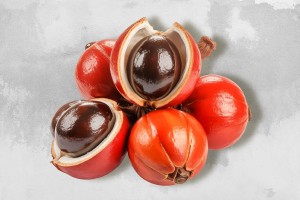
In nature, caffeine is found in coffee beans, tea leaves, mate, guarana berries, cocoa, and kola nuts.
Caffeine is a natural stimulant, a central nervous system stimulant, a tonic, a component of medications used to ease breathing, and a cardiac stimulant.
Caffeine works by blocking the neurotransmitter adenosine, which is responsible in the central and peripheral nervous systems for inhibitory processes, that is, for feelings of relaxation and drowsiness. Blocking the action of adenosine leads to the release of dopamine and norepinephrine—neurotransmitters with pronounced stimulating properties that increase activity, alertness, and concentration. If too many adenosine receptors are systematically blocked by caffeine, the body begins to produce more of them.
Caffeine abuse and, consequently, the constant suppression of inhibitory processes due to blocked adenosine receptors can lead to undesirable effects: irritability, nervousness, insomnia, and anxiety. The body cannot remain in a constant state of activity; it needs rest and sleep.
Caffeine-sensitive receptors are also found in the heart and kidneys. Therefore, caffeine causes a rapid heartbeat, raises blood pressure, and stimulates urination.
Caffeine suppresses appetite, speeds up metabolism, and promotes fat burning, which is why it is often used in weight-loss products.
Which foods contain caffeine?
Approximate caffeine content in some foods and beverages
| Name | Caffeine content per 100 g/100 mL |
| Ground coffee | 120–150 mg |
| Espresso | 200–220 mg |
| Instant coffee | 26–40 mg |
| Decaffeinated coffee | 2–7 mg |
| Black tea | 40–50 mg |
| Green tea | 30–40 mg |
| Energy drinks | 20–50 mg |
| Coca-Cola | 9–12 mg |
| Dark chocolate | 50–60 mg |
| Milk chocolate | 10–20 mg |
| Cocoa powder | 12–20 mg |
| Chocolate bars | 6–8 mg |
To improve mental performance and enhance athletic performance, it is more effective to consume caffeine in tablet form than in coffee or energy drinks. There are several advantages to this method:
Rapid effect. The tablets dissolve in the stomach, and the caffeine is quickly absorbed into the bloodstream, taking effect within 15–30 minutes. This rapid onset is particularly useful when urgent energy is needed.
Controlled dosage. A precisely defined dose helps ensure you don’t exceed the recommended daily caffeine intake and reduces the risk of side effects.
Convenience. The tablets are easy to take in any situation; they don’t take up much space when traveling and don’t require any special preparation.
The benefits of caffeine in tablet form

Benefits of caffeine for the body:
- increases mental alertness, thinking speed, attention, and concentration;
- improves physical performance;
- stimulates metabolism and promotes fat burning;
- increases productivity and endurance and reduces feelings of tension during physical activity;
- suppresses appetite and promotes weight loss;
- stimulates thermogenesis (the generation of heat and energy from food digestion);
- improves memory;
- protects and supports the liver: reduces the risk of cirrhosis and aids in detoxification;
- promotes energy, a positive mood, and improved well-being.
Benefits of Caffeine for Athletes
Caffeine is one of the most common stimulants used in sports to maintain energy and endurance. Sports nutrition products containing caffeine—such as fat burners, pre-workout supplements, and energy drinks—are consumed to boost alertness, performance, and training effectiveness.

Increased Energy and Endurance
Caffeine stimulates the production of adrenaline, which activates the central nervous system, reduces the sensation of physical strain, and improves well-being during physical activity. The release of adrenaline increases heart rate, improves oxygen delivery to the muscles, and enhances muscle contractions, allowing you to exert less effort while exercising. This extra energy enables you to continue training with high efficiency and achieve top athletic performance.
Improved Focus During Workouts
Caffeine enhances concentration, attention, and reaction time, which can be beneficial for sports where precision and reaction speed are crucial, such as team sports or competitive disciplines. After consuming caffeine, coordination and endurance during high-intensity exercises improve, and feelings of fatigue are reduced.
Boosting Metabolism and Fat Burning
Caffeine has a pronounced fat-burning effect. It stimulates metabolic processes, particularly the release of fatty acids from fat stores and their active breakdown. The broken-down fats enter the bloodstream and are used by the muscles as an energy source. This boosts performance, allows you to burn fat faster, and build muscle.
Caffeine in Pills: Pros and Cons

Positive effects of caffeine:
- increased physical performance;
- improved cognitive function, memory, and information retention;
- reduced fatigue;
- reduced appetite;
- acceleration of metabolism;
- relief of headaches when combined with analgesics;
- stimulation of the heart muscle;
- improved oxygen delivery to muscle tissue;
- increased attention, alertness, and reduced reaction time;
- increased energy production and rate of thermogenesis;
- short-term reduction in insulin sensitivity;
- prevention of allergies;
- increased gastric acid secretion;
- moderate acceleration of urination;
- protection against mild systemic inflammation.
Negative effects of caffeine:
- increased blood pressure;
- excessive stimulation of the nervous system, nervousness, irritability;
- increased anxiety, panic attacks;
- sleep disturbances, insomnia, frequent nighttime awakenings;
- digestive disturbances;
- increased calcium loss and bone loss;
- dehydration due to a significant diuretic effect and insufficient water intake;
- development of tolerance and the need to increase the dose to achieve the same effect;
- development of physical dependence and the onset of withdrawal syndrome;
- with long-term consumption in high doses—damage to the endothelial cells of blood vessels and impaired blood clotting;
- with high consumption during pregnancy—a high risk of miscarriage and fetal death; low birth weight.
Despite its many benefits, it is important to consume caffeine in moderation to avoid health risks.
How to Take Caffeine in Tablet Form

Taking caffeine in pill form before a workout helps increase its intensity, accelerate fat burning, and build muscle mass.
The Caffeine Blast complex will boost energy, increase strength and endurance, improve coordination and concentration, and enhance workout performance.
Directions:
Take one tablet twice a day—in the morning and 30 minutes before your workout—with a meal. Do not exceed the recommended dose. Do not take with other sources of caffeine.

Daily Caffeine Intake in Tablets
The recommended daily intake of caffeine in tablets for healthy adults should not exceed 400 milligrams. For people who are sensitive to caffeine, even this dosage may be too much, so it is recommended to consult a doctor before starting to use stimulants.
A daily caffeine intake of more than 500 mg can cause unwanted side effects.
How many caffeine tablets can you take per day?
The caffeine content in a single tablet ranges from 100 to 200 mg, meaning you can take 2–4 tablets per day, depending on the caffeine content per tablet.
How to take caffeine tablets before a workout
Caffeine begins to be absorbed by the body 15–30 minutes after ingestion. Therefore, it’s best to take it 30–60 minutes before your workout—that’s when its effects will be at their peak.
The recommended caffeine dosage for workouts is usually 3–6 mg per kilogram of body weight. For the average person, this amounts to about 200–300 mg of caffeine, or 2–3 100-mg tablets.
How long do caffeine tablets last?
The effects of caffeine last 3 to 6 hours, after which its impact on the body begins to diminish.
Caffeine has a diuretic effect, so it’s important to drink enough water before and during your workout to avoid dehydration.
The Effectiveness of Caffeine in Sports Nutrition

Caffeine is a popular ingredient in sports nutrition. It is added to sports energy drinks, energy bars, protein powders, and pre-workout supplements.
Benefits of caffeine:
- improves physical performance;
- accelerates fat burning and converts fat into an energy source;
- improves cognitive function;
- reduces pain and discomfort;
- reduces fatigue;
- improves aerobic performance by increasing oxygen consumption.
Pre-workout supplements (Pre-workout supplements), designed to boost energy and workout performance, contain 150–300 mg of caffeine per serving.
A can of a sports energy drink contains approximately 80 to 200 mg of caffeine.
Energy bars and gels contain 30–100 mg of caffeine to quickly replenish energy during a workout.
Small doses of caffeine are also found in sports drinks consumed after workouts for recovery, as well as in hard candies and chewing gum specifically designed for athletes.
Pre-workout formulas with caffeine
Pre-workout formulas contain caffeine to boost endurance, energy levels, concentration, and adaptation to physical exertion.
The dietary supplement REVUP contains amino acids, natural stimulants, and plant extracts that boost alertness, physical endurance, concentration, and focus during workouts.
Natural stimulants such as caffeine and yohimbe extract improve blood circulation and vascular tone; Rhodiola rosea helps reduce fatigue and stress; and Schisandra is known for its antioxidant properties, which support overall health and increase the body’s endurance.
Directions:
Add 1 measuring spoon (15 g) to 350–400 ml of water and stir well. Take before and during physical activity.
Do not exceed the recommended daily dose.


Caffeine-Free Pre-Workout Formulas
The OVERPUMP pre-workout supplement is a source of bioactive compounds designed to enhance the pump effect, maintain peak performance, and promote rapid recovery after workouts. The supplement increases physical endurance, stimulates blood circulation, improves vascular tone, supports nervous system function, reduces stress, improves focus and concentration, provides antioxidant protection for cells, and promotes increased strength and accelerated muscle growth.
The formula contains amino acids and ginkgo biloba, natural stimulants such as guarana and ginseng extracts, B vitamins, taurine, and green tea extract.
Directions:
Add 1 measuring spoon (15 g) to 350–400 mL of water and stir well. Take before and during physical activity.
Do not exceed the recommended daily dose.


Who Should Not Take Caffeine in Tablet Form

Caffeine tablets are not recommended for people with the following conditions:
Cardiovascular diseases. Caffeine raises blood pressure and increases heart rate, which can be dangerous for people with hypertension, arrhythmia, or other heart and vascular diseases.
Gastrointestinal disorders. Caffeine in large doses can irritate the stomach lining and exacerbate symptoms of gastritis, ulcers, or reflux. Caffeine tablets are not recommended for people with digestive disorders.
Insomnia and sleep disturbances. As a neurostimulant, caffeine can interfere with falling asleep and reduce sleep quality. People who have trouble falling asleep should avoid caffeine, especially in the evening.
Mental health disorders. Caffeine can exacerbate feelings of anxiety, panic attacks, or other mental health disorders; therefore, people with depression, anxiety disorders, or other mental health conditions should limit or avoid its use.
Diabetes. Caffeine consumption can affect blood sugar levels.
Pregnant women. Pregnant women are advised to limit their caffeine intake, as it can cross the placenta and affect fetal development, as well as increase the risk of miscarriage or preterm birth.
Children and adolescents. Children and adolescents may be more sensitive to caffeine, and their nervous systems are still developing, so taking caffeine tablets is not recommended.
Contraindications and side effects
The use of caffeine tablets is contraindicated:
- in cases of hypertension;
- in cases of cardiovascular disease;
- in cases of heart rhythm disorders;
- in cases of mental disorders;
- in cases of sensitivity to caffeine.
A caffeine overdose may lead to the following side effects:
- nervous overexcitement;
- feelings of restlessness and anxiety;
- irregular or rapid heartbeat;
- increased blood pressure;
- sleep disturbances;
- irritability;
- headaches, dizziness.
In cases of significant overdose, serious allergic reactions, chest pain, difficulty breathing, nausea, and diarrhea may also occur.
If these symptoms occur, seek medical attention immediately.
Scientific sources:
Caffeine: Assessment of Safe Intake Levels — European Food Safety Authority (EFSA)
The effect of acute caffeine intake on endurance: a systematic review and meta-analysis
A systematic review and meta-analysis of the acute effects of caffeine on attention
Does caffeine enhance fat metabolism? A systematic review and meta-analysis