
What Is Metabolism?
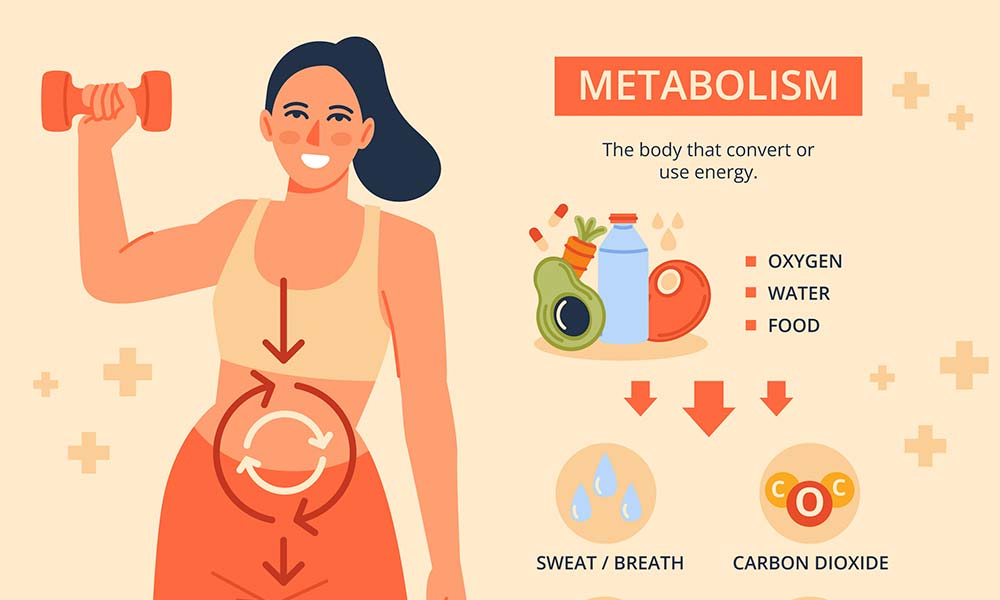
Metabolism is the totality of all biochemical processes that occur in living organisms. The Greek word “metabole” means “change, transformation.” In simple terms, metabolism is a self-regulating process of substance exchange necessary to sustain life and enable the body to repair itself.
The metabolic process is continuous and consists of three stages:
- the intake of substances into the body through respiration and nutrition (oxygen and food) and their enzymatic breakdown;
- absorption into the bloodstream and transport of nutrients to tissues, as well as intracellular metabolism;
- production and excretion of metabolic end products (CO, water, urea, etc.).
Intracellular metabolism has two interrelated pathways:
Catabolism—chemical reactions in which complex organic substances are broken down into simpler ones, accompanied by their oxidation and the release of energy (energy metabolism). These reactions include the absorption of nutrients from food and oxygen, their subsequent breakdown, and conversion into end products that are excreted. The intensity of catabolic processes is regulated by hormones. The energy obtained from the consumption and breakdown of nutrients is stored in ATP molecules and used to build and maintain the cells, tissues, and processes necessary for the body to function.
Anabolism—chemical reactions involving the synthesis of substances in cells, in which the energy obtained through catabolism is utilized (plastic metabolism). Anabolism encompasses the processes of synthesizing amino acids, monosaccharides, nucleic acids, fatty acids, nucleotides, polysaccharides, protein macromolecules, and adenosine triphosphate (ATP).
The balance between anabolism and catabolism maintains energy equilibrium and ensures the stable functioning of the body.
When we talk about metabolism, we usually mean the rate at which our body converts calories obtained from food into energy, which it then uses to function. In other words, metabolic rate refers to the rate at which we use the energy we obtain. Depending on this, metabolism can be fast or slow.
Metabolism is a continuous, all-encompassing, and endless process—and it is also multifaceted, because the level of energy expenditure varies depending on the type of activity.
Basal Metabolism. Also known as basal metabolism or basal metabolic rate (abbreviated as BMR)—this refers to the minimum amount of energy the body expends to maintain its basic functions at rest: breathing, blood circulation, digestion, brain activity, cell growth and reproduction, muscle function, organ function, and waste elimination. These processes occur independently of our will and require energy—even at night, when we sleep, the body continues to function. The body uses the largest portion of the calories obtained from food—about 70%—for basal metabolism. The basal metabolic rate is the minimum calorie requirement below which one must not fall in order to avoid harming one’s health.
Diet-induced thermogenesis or the thermic effect of food (Thermic effect of food) the energy required to process and digest food, that is, for the metabolism of nutrients. The thermic effect (TE) for carbohydrates averages 5–10% depending on their type, for proteins—20–30%, and for fats—0–3% of their total energy value.
Non-exercise activity thermogenesis (NEAT) – the amount of energy expended during daily activities. For example, moving your arms and legs, changing body position, walking to work, and doing household chores. Such daily activities require a significant amount of energy, which in some cases can be comparable to intense physical exertion.
Thermic effect of physical activity (Thermic effect of exercise) — the number of calories the body burns during purposeful physical activity: workouts, sports, and competitions. This figure accounts for 5–15% of total energy expenditure.
You can calculate your basal metabolic rate using one of the following formulas:
The Mifflin–St. Jeor formula:
For women:
BMR = (10 × weight in kg) + (6.25 × height in cm) – (5 × age in years) – 161
For men:
BMR = (10 × weight in kg) + (6.25 × height in cm) – (5 × age in years) + 5
Basal metabolic rate can also be calculated using the Harris-Benedict formula:
For women:
BMR = 447.6 + (9.2 × weight in kg) + (3.1 × height in cm) – (4.3 × age in years)
For men:
BMR = 88.36 + (13.4 × weight in kg) + (4.8 × height in cm) – (5.7 × age in years)
Once you’ve determined your basal metabolic rate, you can figure out how many calories you need per day to maintain your lifestyle. Your daily calorie requirement depends on a number of factors: age, gender, body weight, height, muscle mass, hormonal balance, health, physical activity, etc. Determining this requirement is important, for example, for those who want to lose weight or, conversely, gain weight.
Calculating your metabolism for weight loss should take into account your basal metabolic rate, daily calorie requirement, and physical activity level.
What Affects Metabolic Rate

There are indeed quite a few factors that affect metabolic rate. The main one is heredity. Metabolic rate is influenced by a person’s age and gender, body composition and weight, lifestyle, level of physical activity, eating habits, and ambient temperature.
Genetics and Age
Basal metabolic rate is genetically determined for every living organism; in other words, it is already encoded at the DNA level. Some people are luckier and naturally have a faster metabolism than others. But there’s no need to be discouraged. Even if you have a slow metabolism, you can improve it through a healthy diet and physical activity.
Metabolic rate also depends on age. Young people burn calories more efficiently than older adults because they have more muscle mass than fat.
Metabolism is at its highest until age 25—for children and young adults, this is a period of intensive tissue and organ formation, growth, and development, which means a great deal of energy is expended on these processes. After age 40, the metabolic rate decreases. This is due to a general reduction in muscle mass and hormonal changes that affect overall calorie burning.
Level of Physical Activity
Regular exercise, especially strength training, stimulates metabolism both during exercise and at rest. Muscles require more energy to function than fat tissue. Even after exercise, your metabolism remains elevated for several hours.
Diet
Irregular eating, long gaps between meals, strict diets, or insufficient calorie intake can slow down your metabolism, as the body switches to energy-saving mode. Nutritionists recommend eating 4–5 times a day in small portions to maintain stable blood sugar levels and prevent hunger pangs.
A balanced intake of proteins, fats, and carbohydrates is also important. Consuming large amounts of carbohydrates raises insulin levels, which slows down metabolism. Proteins and fats help speed up metabolic processes.
The thermic effect of food—the energy expended on digesting, absorbing, and metabolizing nutrients—also plays an important role.
Hormonal Balance
Hormones regulate many physiological processes, including those related to energy metabolism, appetite, fat storage, and muscle mass. Disorders of the endocrine system can either speed up or slow down metabolism.
The main hormones that affect metabolism:
Thyroid hormones (T3 and T4), which are produced by the thyroid gland and play a key role in regulating basal metabolism.
An excess of thyroid hormones (hyperthyroidism) speeds up metabolism and causes weight loss.
A deficiency of these hormones (hypothyroidism) slows down metabolism, promotes weight gain, causes fatigue, and lowers body temperature.
Insulin – a hormone produced by the pancreas that regulates blood glucose levels. High insulin levels slow down metabolism and promote fat storage.
Cortisol – a stress hormone. In small amounts, it helps mobilize energy. Chronically high levels lead to fat accumulation, loss of muscle mass, and a slowed metabolism.
Testosterone — in men, it stimulates muscle growth and, consequently, speeds up metabolism.
Estrogen — affects the amount and distribution of body fat, especially in women. Fluctuations in estrogen levels can affect metabolism and lead to weight gain.
Leptin and ghrelin — two hormones responsible for regulating appetite. Ghrelin, the “hunger hormone,” is released before meals and stimulates appetite, while leptin signals to the brain that the body is full.
Sleep and Stress
Lack of sleep and chronic stress slow down metabolism and can lead to metabolic disorders.
Sleep affects the production of hormones responsible for feelings of hunger and fullness. Chronic sleep deprivation slows down metabolism and increases levels of the hormone ghrelin, which stimulates appetite. Therefore, healthy, restful sleep of 7–9 hours per day will promote normal hormonal balance and maintain sufficient energy levels in the body.
Stress increases cortisol production; chronically high cortisol levels lead to fat storage, muscle loss, and a slowed metabolism.
Other factors affecting metabolic rate:
- body weight and composition—people with a higher body weight require more calories;
- body temperature—an elevated temperature speeds up metabolism, as the body burns energy more actively for thermoregulation;
- ambient temperature—in cold weather, our body is forced to burn more calories to maintain heat;
- hydration—dehydration slows down the breakdown of food and the elimination of toxins from the body.
Signs of a Slow Metabolism

A slow metabolism is a condition in which the body burns calories more slowly than usual—that is, it expends less energy at rest and during physical activity. Usually, “unused” calories are stored as fat. Among the causes of a slow metabolism are: hormonal imbalances, an unbalanced diet, a lack of essential micronutrients and vitamins, a sedentary lifestyle, insufficient sleep, extreme diets, or starvation.
The main signs of a slow metabolism:
- Weight gain or difficulty losing weight. Even with a normal diet and eating small amounts of food, there is a significant increase in body weight.
- A constant feeling of being cold. Hands and feet feel cold even at normal temperatures due to poor blood circulation, especially in the body’s extremities.
- Low energy levels and fatigue. When metabolism is slowed, feelings of fatigue and exhaustion can set in as early as the morning.
- Dry skin, brittle hair, and brittle nails. Rough, dry skin—even with proper care—and brittle hair may indicate a metabolic disorder caused by poor blood circulation and an insufficient supply of nutrients.
- Digestive problems, such as constipation or bloating.
- Difficulty concentrating, sluggish thinking, and drowsiness.
Signs of a fast metabolism

A fast metabolism is the body’s ability to digest food quickly and actively burn calories even at rest. A fast metabolism can be genetically determined; it is typically characteristic of younger people, and physically active individuals with high lean body mass are also likely to have a high metabolic rate.
Key signs of a fast metabolism:
- Increased appetite. The body needs additional energy due to rapid digestion and active calorie use.
- A naturally slim build and an inability to gain weight.
- Frequent feelings of hunger between meals.
- Natural energy, high activity levels, and quick recovery after physical exertion.
- Rapid heartbeat and increased sweating.
- Elevated body temperature or a sensation of heat even in a cool environment.
- Rapid nail and hair growth.
- Frequent trips to the bathroom due to active digestion.
A fast metabolism can be a problem for people who want to gain weight or build muscle mass, and a metabolism that is too fast may indicate hormonal imbalances.
Metabolic Differences Between Men and Women: Is There a Difference?
Gender is another factor that influences metabolic rate.
There are significant differences between men’s and women’s metabolism, driven by anatomical, hormonal, and physiological characteristics, which affect not only metabolic rate but also the tendency to accumulate fat, weight loss, body size and internal organ dimensions, response to physical activity, stress, and diets.
Muscle mass. One of the key factors is that men have more muscle mass. Since muscles burn more calories even at rest than adipose tissue, men have a higher basal metabolic rate. In women, metabolism is somewhat slower due to a higher proportion of adipose tissue and the influence of estrogens, which promote fat storage. In addition, women’s metabolism is more sensitive to hormonal changes throughout the menstrual cycle, pregnancy, and menopause, which also affect appetite, energy expenditure, and mood.
Hormonal differences. Testosterone, the dominant hormone in men, promotes muscle growth, more active calorie burning, and a lower body fat percentage. Estrogen and progesterone, which are dominant in women, influence fat storage (especially in the thighs and buttocks) and can slow metabolism during certain phases of the menstrual cycle or during menopause.
Basal Metabolic Rate. On average, men’s basal metabolic rate is 5–10% higher than that of women of the same age and weight. This means that men need more calories daily, even if their activity levels are the same.
Response to Diets. Men and women also differ when it comes to weight loss. Men lose weight faster while dieting because their bodies begin using fat stores as an energy source more quickly, and also because they have greater muscle mass, which requires more energy. In addition, men’s leptin levels are more stable, allowing them to tolerate a calorie deficit more easily without feeling very hungry. Women, on the other hand, react to diets somewhat differently. A woman’s body is genetically programmed to conserve energy, as it must be prepared for the possibility of pregnancy. Therefore, when faced with a severe calorie deficit, the body may activate a defense mechanism—slowing down metabolism, delaying fat loss, and triggering intense hunger. Women may also experience a decrease in leptin levels, which can lead to diet relapses.
Response to physical exertion. Thanks to higher testosterone levels, men build muscle faster and burn fat more efficiently during strength training and high-intensity workouts. Their bodies adapt better to short, intense workouts, such as interval training or strength exercises with heavy weights. Women generally handle prolonged cardio workouts (walking, jogging, yoga) better, burn fat more effectively during workouts, but gain muscle mass more slowly.
How to Boost Your Metabolism
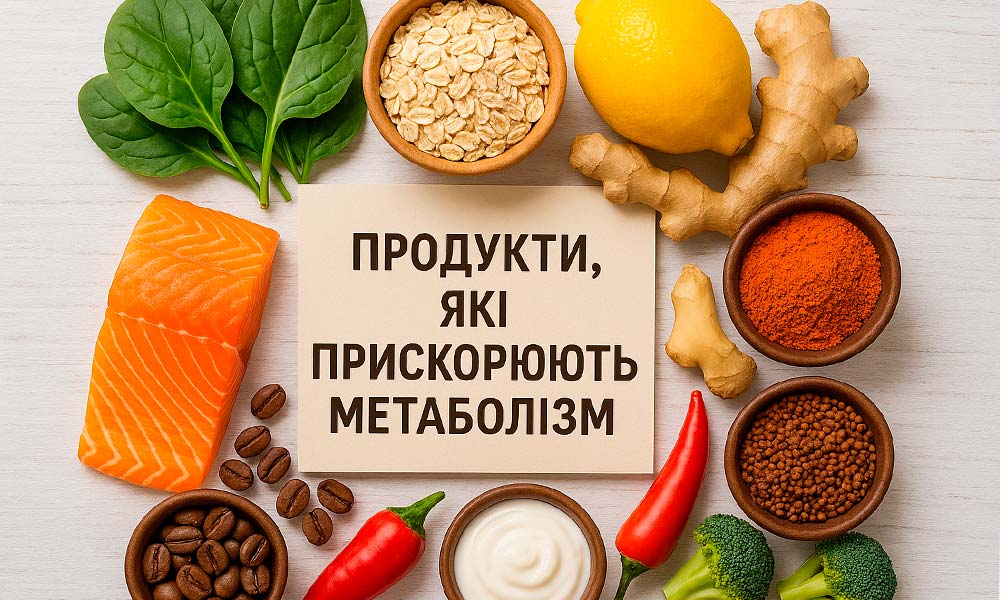
Which foods speed up metabolism
You can speed up your metabolism by eating certain foods rich in protein, healthy carbohydrates, and micronutrients.
Foods that boost metabolism:
Protein-rich foods: eggs, chicken, turkey, beef, lean pork, liver, fish (especially tuna and salmon), cottage cheese, yogurt, sugar-free kefir, legumes (chickpeas, lentils, beans).
Foods that are sources of calcium: milk, hard cheeses, leafy greens, grapes, fish, legumes.
Whole-grain foods and healthy carbohydrates: cereal porridges, buckwheat, quinoa, brown rice, dried apricots, raisins, mushrooms.
Vegetables and leafy greens: broccoli, spinach, all types of cabbage, chili peppers, celery, zucchini, onions.
Fruits and berries: apples, blueberries, raspberries, grapefruit, lemon, avocado.
Healthy fats: nuts (almonds, walnuts), flaxseeds, pumpkin seeds, chia seeds, olive oil, and coconut oil.
Herbs and spices: ginger, turmeric, cinnamon, garlic.
Beverages: water, especially cold water, since the body expends energy to warm it up; green tea, coffee in moderate amounts.
You should eliminate foods that slow down your metabolism from your diet:
- simple carbohydrates: potatoes, corn, sweets, and white flour products;
- sweet carbonated drinks and artificial sweeteners;
- processed foods, mayonnaise, canned goods, and sausages;
- alcoholic beverages.
Sleep Management

Lack of sleep negatively affects your emotional state, overall well-being, and metabolism. Chronic sleep deprivation causes the body to burn fewer calories, raises blood sugar levels, and reduces leptin production—slowing down metabolism. Insufficient leptin causes a constant feeling of hunger and leads a person to eat more.
Regulating sleep is also important for hormonal balance, particularly for cortisol and melatonin. To improve your metabolism, you should establish a consistent sleep schedule—go to bed and wake up at the same time every day, and get at least 8 hours of sleep per day.
Supplements to Boost Metabolism
Special dietary supplements that stimulate thermogenesis can also help boost metabolism. Remember that supplements designed to boost metabolism should only be used after consulting with a trainer, doctor, or dietitian.
Synephrine (bitter orange extract) stimulates thermogenesis in the body, which increases the amount of energy released throughout the day. Synephrine has the ability to induce a “chilly sensation” in the body; by acting on receptors; in response, the body begins to produce more heat, which means greater utilization of energy derived from fat.
Directions:
Take 1 capsule twice a day (in the morning and 30 minutes before a workout) with a meal.

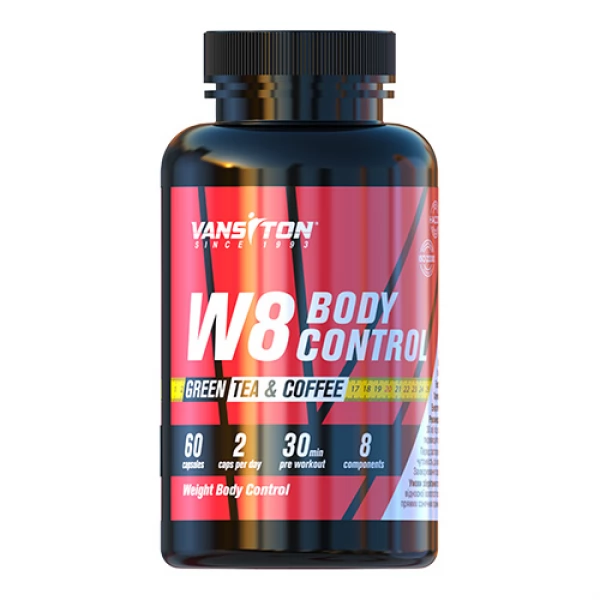
W8 Body Control Fat Burner capsules by Vansiton improve fat breakdown, prevent fat accumulation, reduce appetite, and boost energy for long and effective workouts. The formula contains ingredients that actively burn fat reserves: guarana extract, Cambodian garcinia, anhydrous caffeine, green coffee and green tea extracts, synephrine, and choline.
Directions:
Take 1 capsule twice a day (in the morning and 30 minutes before a workout) with a meal. This product contains caffeine; it is not recommended to consume it with other sources of caffeine or before bedtime.
Yohimbe extract is a unique plant-based biostimulant derived from the bark of the tropical yohimbe tree. The main component in the bark is the alkaloid yohimbine, which stimulates testosterone production. The supplement helps increase energy levels, boosts sexual potency and libido, strengthens the immune system, and improves endurance and performance. Yohimbe extract influences metabolic processes in the body, blocks fat synthesis, and enhances fat breakdown while generating additional energy.
Directions:
Take 1 capsule twice daily. Later, take 2 capsules twice a day with 200 ml of water. The most effective times to take it are in the morning and before a workout, but no sooner than 2 hours after a meal and 1–2 hours before a meal.
Do not take before bedtime. Caffeine and ephedrine counteract the effects of yohimbe, so it is not advisable to consume tea, coffee, or energy drinks in combination with this product. This product is not recommended for use with foods containing tyramine (liver, cottage cheese, etc.).
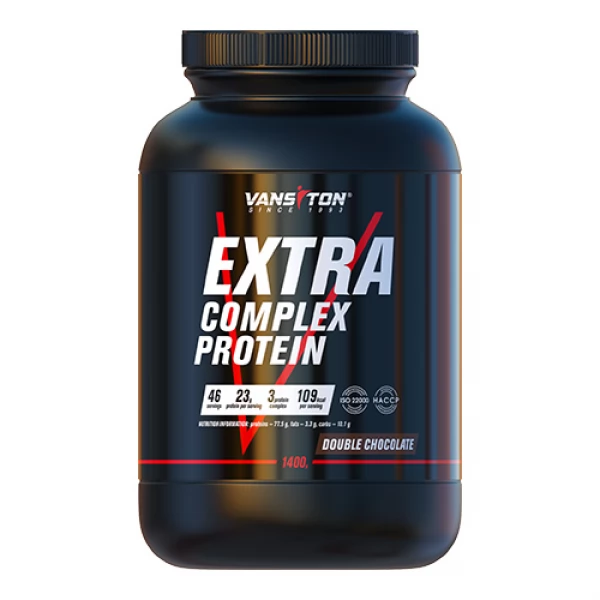
Vansiton™ Double Chocolate Protein Extra—a protein complex with fast-acting and sustained-release effects for building muscle mass and managing protein intake. It contains whey concentrate (“fast” protein), dried milk protein isolate (“slow” protein), casein, and BCAAs. It promotes muscle growth, reduces cravings for snacks, and has a long-lasting effect.
Directions:
Mix 1 scoop (30 g) with 200 mL of water or skim milk. Take 2–3 times a day between main meals, including once 15–20 minutes after a workout.
Caffeine Blast by Vansiton has a pronounced stimulating effect, allowing you to increase the intensity of your workout, accelerate fat burning, and increase the load on your muscles, thereby promoting muscle growth. This dietary supplement stimulates the central nervous system, improves reaction time, and helps you focus better on your exercise technique.
Directions:
Take one tablet twice a day (in the morning and 30 minutes before your workout) with a meal. This supplement contains caffeine. Do not take after 5:00 PM and do not consume with other sources of caffeine.

Physical Activity

Regular physical activity helps increase calorie burn, improves blood circulation, and boosts metabolism. Walking, running, swimming, cycling, yoga, or dancing can help boost your metabolism without putting excessive strain on your body. You can start with 20–30 minutes a day and gradually increase the duration of your workouts. Strength training helps build muscle mass, since muscles burn more calories even at rest.
Drink more water
Water is involved in all biochemical processes, so it’s important to stay properly hydrated. To maintain a normal metabolism, it’s recommended to drink at least 1.5–2 liters of water a day.
Adjust Your Diet
Nutritionists offer several simple recommendations on how to organize your meals to stimulate and maintain a healthy metabolism:
- Don’t skip breakfast—it kickstarts your metabolism and provides energy for the whole day;
- Eat more frequently in smaller portions — dividing your daily intake into 4–5 meals helps stabilize blood sugar levels and avoid periods of intense hunger;
- increase your protein intake—protein promotes a better metabolism because the body requires more energy to digest it;
- maintain a balance of micronutrients—proteins, fats, carbohydrates, vitamins, and micronutrients are needed by the body in varying amounts.
How to Tell What Your Metabolism Is Like
If you lose weight quickly, have a lot of energy, feel constantly hungry, and have a hard time gaining weight—these are signs of a fast metabolism. If, on the other hand, you gain weight easily, feel sluggish, and have a moderate appetite, your metabolism may be slow. A body composition analysis or consultation with a specialist will provide a more accurate picture.
Can You Boost Your Metabolism?
Yes, you can boost your metabolism. Here are a few helpful tips: – Eat a balanced diet and avoid long gaps between meals; – Drink water to prevent dehydration; – get at least 8 hours of sleep; – stay physically active; – manage your emotional state and avoid stress.
Proper nutrition, healthy sleep, and regular physical activity are the best ways to regulate your metabolism—and they’re accessible to everyone.
Scientific sources:
Variations in Basal Metabolic Rate in Adults: Public Health Implications
Sex Differences in Energy Metabolism: A Review Focused on Female Physiology
WHO recommendations on physical activity and sedentary behavior: a brief overview
Meal Timing and Anthropometric and Metabolic Parameters: A Systematic Review and Meta-Analysis