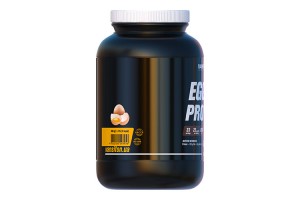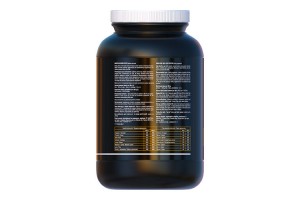
Proteins are one of the key nutrients necessary for the body to function properly. They play a role in building muscles, enzymes, hormones, and cellular structures, and they also help tissues recover after physical activity. For athletes and active people, adequate protein intake is particularly important, as it supports muscle mass and promotes faster recovery.
What Is Egg Protein?

Egg protein is a concentrated, high-quality protein obtained from egg whites through purification and drying.
Egg protein is a natural source of pure protein widely used in dietary nutrition. Healthy egg protein contains all nine essential amino acids necessary for growth, tissue repair, and muscle mass maintenance, and is characterized by high biological value.
This type of protein has a moderate rate of absorption, which ensures a gradual release of amino acids and sustained nutrition for the muscles. Egg protein is easily digested by the body, is suitable for people with lactose intolerance, does not strain the digestive system, and is often used in sports nutrition as an effective alternative to whey or plant-based protein.
Features of egg protein:
- the powder contains 80–85% pure protein;
- balanced amino acid profile;
- contains minimal fat and carbohydrates;
- has high biological value;
- provides a steady supply of amino acids;
- is lactose-free;
- helps control appetite and promotes weight loss.
Chemical Composition of Egg Protein
Egg protein is a natural protein of animal origin; in a raw egg, it consists of approximately 86–90% water and 10–13% protein. It contains essential amino acids (leucine, isoleucine, valine, lysine, methionine) but virtually no fats or carbohydrates.
Egg protein is primarily composed of protein fractions, the most abundant of which are:
Ovalbumin (54%)—the main protein in egg white, which is easily digested and serves as an important source of amino acids for muscle growth and recovery.
Ovotransferrin (12–13%) – a protein with antibacterial properties that binds iron and inhibits the growth of pathogenic microorganisms.
Ovomucoid – a glycoprotein that performs a protective function and is resistant to digestive enzymes. It may affect the rate of protein absorption.
Ovomucin — responsible for the viscous structure of egg white, possesses protective properties, and helps form a natural barrier against bacteria.
Lysozyme (about 3.5%)—an enzyme with pronounced antimicrobial activity that helps destroy bacteria and supports immune defense.
Egg protein also contains choline, B vitamins, and small amounts of minerals, including potassium, sodium, phosphorus, calcium, magnesium, iron, zinc, and manganese, which are involved in energy metabolism and support the normal functioning of the nervous system.
Benefits of Egg Protein

Egg protein contains all the essential amino acids and a large amount of leucine, which plays an active role in protein synthesis in the body and stimulates muscle growth. It is almost completely absorbed and processed by the body in about 3–4 hours. This prolonged absorption inhibits catabolic reactions and protects tissues from breakdown. Egg protein boosts metabolism, has a beneficial effect on the central nervous system, increases hemoglobin levels in the blood, balances hormone levels, suppresses appetite, and improves performance. Thanks to these properties, egg protein is suitable for both building muscle mass and managing weight.
Egg Protein for Muscle Recovery
The high amino acid content in egg protein promotes faster recovery of muscle fibers after workouts, as it provides the body with the necessary “building blocks” for the synthesis of structural proteins in muscle cells—primarily actin and myosin— which regulate muscle contraction.
Amino acids activate the regeneration of damaged muscle tissue, reduce catabolism, and promote the restoration of strength and endurance. Thanks to its moderate absorption rate, egg protein ensures a gradual release of amino acids into the bloodstream, sustaining these processes for a long time after physical exertion.
Egg Protein for Mass Gain
Egg protein is considered the “gold standard” due to its perfectly balanced amino acid profile and high biological value. It contains all essential amino acids in optimal proportions, making it effective for supporting anabolic processes and muscle growth.
After physical exercise, amino acids—particularly leucine—activate anabolic processes that trigger the growth and recovery of muscle fibers. In addition, an adequate protein intake helps create a positive nitrogen balance—a state in which protein synthesis outweighs protein breakdown. As a result, muscle tissue gradually increases, and regular protein consumption combined with exercise promotes effective muscle gain.
Egg protein for weight loss
Egg protein helps control appetite and promotes a long-lasting feeling of fullness. This allows you to reduce your overall calorie intake and maintain muscle mass while losing weight.
If you want to lose a few extra kilograms without losing muscle mass, a nutritious shake with egg protein will quickly fill you up, satisfy your hunger for several hours, and won’t add any extra calories.
Comparison of Egg and Whey Protein
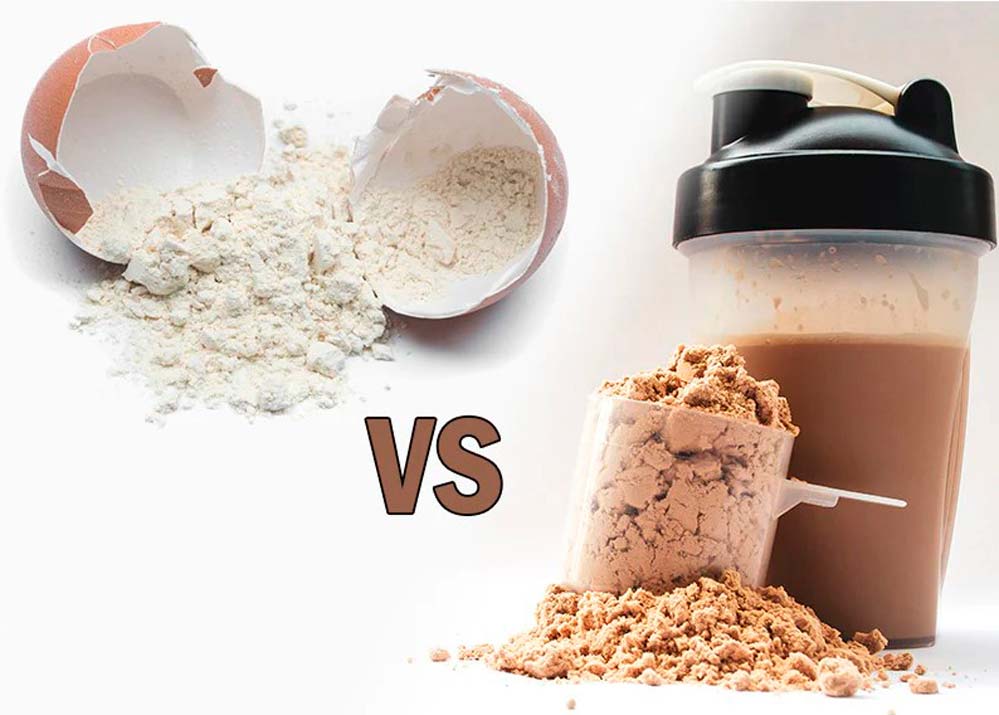
Egg and whey protein are among the most popular sources of protein, but they differ in absorption rate, composition, and usage characteristics.
Digestion Rate
Whey protein is digested quickly (within 1–2 hours), making it the optimal choice for post-workout consumption. Egg protein has a moderate digestion rate (about 3–4 hours) and provides a more sustained release of amino acids.
Amino Acid Composition
Both types contain a complete set of essential amino acids. Egg protein is considered the gold standard for amino acid balance, while whey protein is characterized by a high content of BCAAs, particularly leucine.
Tolerability
Egg protein is lactose-free, making it suitable for people with lactose intolerance. Whey protein may cause discomfort in people who are sensitive to dairy products (especially whey concentrate).
Usage
Whey protein is most often used after workouts for rapid recovery, whereas egg protein is suitable as a versatile option—for consumption throughout the day or between meals.
Whether to choose egg protein or whey protein depends on individual needs, goals, training program, and body characteristics.
Who Should Use Egg Protein

As a sports supplement, egg protein is beneficial for athletes and bodybuilders to aid in recovery and muscle growth. People who lead an active lifestyle and prioritize their health can consume egg protein to support a balanced diet and manage their weight.
Egg protein is most often recommended for:
- athletes and fitness enthusiasts—to aid in muscle recovery and growth;
- people with lactose intolerance—as an alternative to dairy proteins;
- those managing their weight—to promote satiety and preserve muscle mass;
- people with increased protein needs—during periods of intense physical or mental activity.
How to Take Egg Protein Correctly
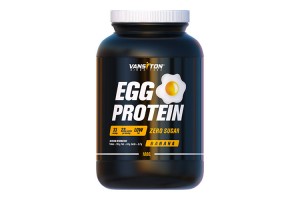
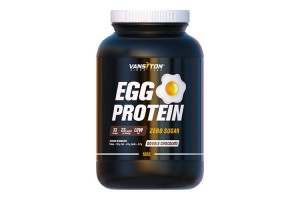
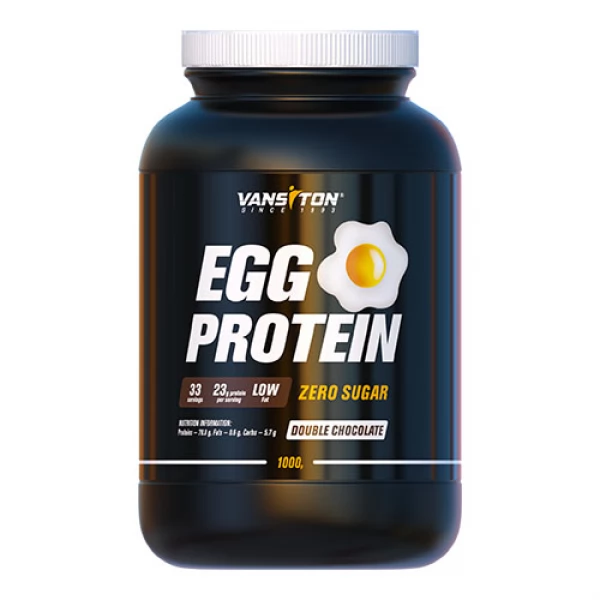
EGG PROTEIN by Vansiton is an easily digestible egg-based protein with an ideal amino acid profile. The amino acid ratio closely matches how the body uses them to build muscle tissue, produce enzymes, antibodies, and hormones, and ensure proper metabolism.
It helps meet your daily protein needs, promotes muscle growth, strengthens the immune system, and supports the body’s regenerative functions. Suitable for people with lactose intolerance or milk protein allergies.
Thanks to its 100% biological value, egg protein offers maximum digestibility without placing an excessive burden on the digestive system.
Directions:
Mix 1 scoop (30 g) with 200 mL of liquid. Take 2–3 times a day during or between main meals. Do not exceed the recommended daily dose.
Possible Drawbacks of Egg Protein
Despite its high quality and good digestibility, egg protein has certain characteristics that should be considered before consumption.
Allergic reactions. Ovalbumin, the main protein in chicken eggs, is a strong food allergen, so egg protein may cause rashes, itching, or other reactions in sensitive individuals.
Individual intolerance. In some cases, digestive issues, gas, discomfort, or bloating may occur.
Strain on the digestive system. Excessive protein consumption may lead to a feeling of heaviness or digestive problems.
Taste and texture characteristics. Compared to other types of protein, egg protein has a distinctive taste that not everyone likes or can tolerate. In this case, it is recommended to mix the protein with milk or cocoa to create a tasty and nutritious shake.
In most cases, when consumed in moderation and in the absence of allergies, egg white protein is well tolerated and does not harm the body.
What to mix egg protein with
Egg protein can be mixed with water, milk (regular, plant-based, lactose-free), yogurt, or kefir. Here are a few simple options: Protein with water. 200–300 mL of room-temperature water and a serving of protein—the ideal option for quick post-workout recovery without fat or excess calories. Protein with cow’s milk. A thick, nutritious, and delicious shake that digests slowly, provides extra calories, keeps you full for a long time, and helps build muscle. Protein shake with plant-based milk (almond, soy, oat)—an alternative for people who are lactose-intolerant. Yogurt or kefir with protein. This lets you make a nutritious egg-based protein shake that effectively satisfies hunger and can serve as a snack between meals. Protein smoothie. Blend milk, a banana, berries, rolled oats, nuts, honey, and protein powder in a blender to make a complete protein-carbohydrate shake.
What is the protein content of egg protein?
Egg protein typically contains about 80–90% protein, depending on the degree of purification and the specific product.
How quickly is egg protein digested?
Egg protein has an average digestion rate of about 3–4 hours, which helps gradually supply the bloodstream with amino acids over an extended period.
Which is better: milk protein or egg protein?
Both options are high-quality sources of protein, so choose the “best” one based on your goals.
Whey (milk) protein is absorbed faster and contains more BCAAs (especially leucine), making it ideal for rapid post-workout recovery.
Egg protein is digested more slowly, provides a sustained release of amino acids, and is lactose-free, making it suitable for people with dairy sensitivities. It’s versatile for use throughout the day and between meals.
Scientific sources:
The effect of whole egg consumption on muscle mass: Are the yolk and its nutrients important?
Dietary Supplements for Exercise and Athletic Performance: Information for Healthcare Professionals
Dietary protein and appetite in overweight and obese individuals: a systematic review
Egg proteins as allergens and the influence of the food matrix and processing