
What Is a Calorie Deficit?
Food is the human body’s sole source of energy, providing everything it needs to sustain life. When food is broken down, energy is produced, which is used to support the functioning of internal organs and systems, metabolic processes, blood circulation, cellular respiration, muscles, and tissue growth and regeneration.
Energy is measured in calories. A calorie is a unit of measurement for thermal energy, equal to the energy required to raise the temperature of 1 g of water by 1°C. When it comes to food, the term “kilocalorie” is more commonly used: 1,000 cal = 1 Cal or 1 kcal.
To understand how important energy is for the body’s functioning, it’s worth noting that the body expends about 70% of its daily calorie intake to maintain its basal metabolic rate. If more calories are consumed from food than are expended, they are stored as fat reserves. If the body expends more calories than it receives, a deficit occurs.
A calorie deficit is a state in which the body receives fewer calories than it uses for daily functioning and physical activity. If calorie intake is insufficient to maintain the necessary energy level, the body draws on its reserves and begins to burn what has been stored previously. If this process continues for long enough, a person begins to lose weight.
Why is a calorie deficit necessary?
A calorie deficit is the key to weight loss—the body switches to using its own fat reserves and breaks down existing fat, which releases energy and, consequently, leads to weight loss.
To lose weight, you need to create the conditions for a calorie deficit. To do this, you should first review your diet and incorporate regular physical activity.
Calculating a Calorie Deficit for Weight Loss

To calculate the calorie deficit you need to create, you must first determine how many calories your body needs for daily functioning.
Basal metabolic rate—or BMR—is the minimum number of calories your body burns to maintain basic functions while at rest. This includes maintaining body temperature, digesting food, breathing, blood circulation, brain activity, protein synthesis, and cell regeneration. The daily calorie requirement depends on a number of factors: age, gender, body weight, height, muscle mass, hormonal balance, overall health, physical activity, etc. Determining this requirement is important to avoid exhaustion or metabolic disorders during weight loss.
To calculate your BMR, you can use one of the following formulas:
The Mifflin–St. Jeor formula is the most modern calculation method, allowing for the most accurate estimation of calorie intake for a healthy person.
For men: (10 × weight in kg) + (6.25 × height in cm) – (5 × age in years) + 5
For women: (10 × weight in kg) + (6.25 × height in cm) – (5 × age in years) – 161
Example:
A 25-year-old man, 1.78 cm tall, weighing 100 kg
BMR = (10 × 100) + (6.25 × 178) – (5 × 25) = (1,000 + 1,112.5) – 75 = 2,150 calories.
The Harris-Benedict formula – takes into account age, sex, weight, and height, but does not account for muscle mass. The formula works for everyone, but for people with high muscle mass, the calorie requirement will be underestimated, and for obese individuals, it will be overestimated.
For men: 66.47 + (13.75 × weight in kg) + (5 × height in cm) – (6.74 × age in years).
For women: 655 + (9.6 × weight in kg) + (1.85 × height in cm) – (4.68 × age in years).
Example:
A 30-year-old woman, 1.70 cm tall, weighing 55 kg
BMR = 655 + (9.6 × 55) + (1.85 × 170) – (4.68 × 30) = 655 + 528 + 314.5 – 140.4 = 1,497.5 – 140.4 = 1,357.1 calories.
After determining the basal calorie level, you can proceed to calculating the daily calorie requirement (TDR). Here, you need to consider one more factor: your level of physical activity, determined by the activity factor (AF):
- 1.0 – sedentary work, inactive lifestyle;
- 1.2 – minimal (no active sports);
- 1.375 – low (light physical activity 1–3 times a week);
- 1.55 – moderate (exercise 3–5 times a week);
- 1.725 – high (exercise at least 6 times a week);
- 1.9 – very high (daily physical activity, heavy physical labor, professional sports).
Example:
The basal calorie level is 2,150 calories.
Activity factor 1.55 – moderate.
Total Calorie Intake (TCI) = 1.55 × 2,150 = 3,332.5 calories.
Therefore, 3,332.5 calories are necessary for normal well-being and healthy bodily function.
How do you calculate your daily calorie intake to lose weight?
To lose weight, you need to create a calorie deficit. This can be achieved by reducing your daily calorie intake by approximately 10–20% of your daily requirement. Thus, in our case (3,332.5 calories), the daily calorie intake needed to lose weight would be 2,666–2,999 calories. The deficit would be approximately 334–666 calories.
Why You Shouldn’t Cut Calories Too Drastically

With balanced weight loss based on a calorie deficit, the body will lose 500–700 grams per week. Greater weight loss can be dangerous to your health. When counting calories, remember that your diet must remain nutritious and balanced, and your body must receive the necessary amounts of protein, fats, carbohydrates, and micronutrients.
A sharp reduction in calories causes stress in the body and can lead to undesirable consequences:
- loss of muscle mass, which the body uses as an energy source when calories are lacking;
- a decrease in metabolism, because the body begins to conserve energy by slowing down the process of metabolism;
- nutrient deficiencies due to reduced intake from food on a low-calorie diet;
- decreased energy and performance—the body experiences constant fatigue, lethargy, a lack of strength and motivation to perform even simple daily tasks, and reduced attention and concentration;
- hormonal imbalances, particularly in women. Sudden changes can lead to menstrual cycle irregularities or even the complete cessation of menstruation. This occurs a drop in estrogen levels, which results from a reduction in body fat, since fat is an important source of this hormone;
- psychological problems arising from overly strict dietary restrictions. A constant feeling of hunger and stress leads to a breakdown, and consequently, to overeating. This often leads to a cycle of “hunger—binge—guilt—even more hunger,” complicating the weight-loss process.
A drastic reduction in calories often leads to rapid weight loss but carries the risk of a “yo-yo effect.” When restrictions are lifted, the excess weight returns quickly—and often with a little extra. A gradual calorie deficit helps you lose weight more steadily and maintain your results in the long term.
How to Create a Calorie Deficit the Right Way Without Harming Your Health

The goal of weight loss is to get rid of excess body fat by using it for energy while maintaining your performance and health.
Maintain an optimal calorie deficit
A calorie deficit that’s too high is just as harmful as one that’s too low. In the first case, you risk exhaustion and metabolic disorders; in the second, weight loss will be negligible. A calorie deficit of about 15–20% of your current intake is considered sustainable in the long term. A rational and balanced approach to reducing calories will help you avoid overexertion, ensure lasting weight loss without stressing your body, and prevent unwanted effects such as muscle loss or a slowed metabolism.
Reduce calories gradually
Calorie needs are highly individual and will vary significantly depending on physiological characteristics, exercise intensity, and weight loss goals. You should usually start with a 500-calorie deficit per day, and if you feel well, you can gradually increase the deficit to 600–800 calories.
Eat right
Don’t skip meals. Regular, balanced meals 4–6 times a day are essential for stable energy levels, active workouts, and proper recovery. Focus your diet on protein, as it’s essential for muscle recovery after workouts. To create a calorie deficit, it’s important to balance your intake of protein, carbohydrates, and fats to maintain high-intensity workouts and promote rapid muscle recovery.
Don’t reduce the intensity of your workouts
Physical activity is important—it also helps you burn calories and lose weight.
Listen to your body
Weight loss shouldn’t be stressful. Pay close attention to your body’s signals: feeling tired or unwell may be a sign that your calorie deficit is too large for your activity level.
Drink water
When losing weight, water is the first thing your body loses. Insufficient fluid intake can hinder recovery and training results.
Choosing the Right Foods (Proteins, Fats, Carbohydrates)

Reducing your calorie intake doesn’t mean giving up the foods you’re used to. A balanced amount of protein, fat, and carbohydrates in your daily diet will help preserve muscle mass, maintain energy levels, and ensure your body functions normally.
Protein is important because it helps preserve muscle mass, preventing its loss during weight loss. A lack of protein causes the body to break down its own muscles for energy (a process called catabolism). To preserve muscle mass during a calorie deficit, you need to consume 1.5–2.5 grams of protein per kilogram of body weight, depending on your activity level and goals.
Sources of protein: meat (chicken, turkey, beef, pork), fish and seafood, eggs, dairy products (cottage cheese, yogurt, cheese), legumes (beans, peas, lentils), tofu, and soy products.
Fats are essential for normal brain function, maintaining the nervous system, and hormone synthesis. Their presence aids in the absorption of the fat-soluble vitamins A, D, E, and K. Fatty foods are high in calories, provide a long-lasting feeling of fullness, and help maintain stable energy levels.
Sources of healthy fats: vegetable oils (olive, flaxseed), nuts and seeds (almonds, walnuts, chia, flax), and fatty fish (salmon, mackerel, herring).
Carbohydrates are the body’s primary source of energy, especially for athletes and people engaged in strenuous physical activity. Carbohydrates support brain and nervous system function, regulate blood sugar levels, and aid in recovery after workouts. The main focus should be on complex carbohydrates, which are digested slowly and provide a steady supply of energy.
Sources of complex carbohydrates: vegetables and greens, fruits, whole grains (oats, buckwheat, quinoa, brown rice), lentils, beans, peas, brown rice, and potatoes.
You should limit your intake of foods high in simple carbohydrates, such as sugar, baked goods, white bread, and sugary drinks, as they can cause sharp fluctuations in blood sugar levels and lead to energy spikes and crashes.
Nutrition Tips for a Calorie Deficit
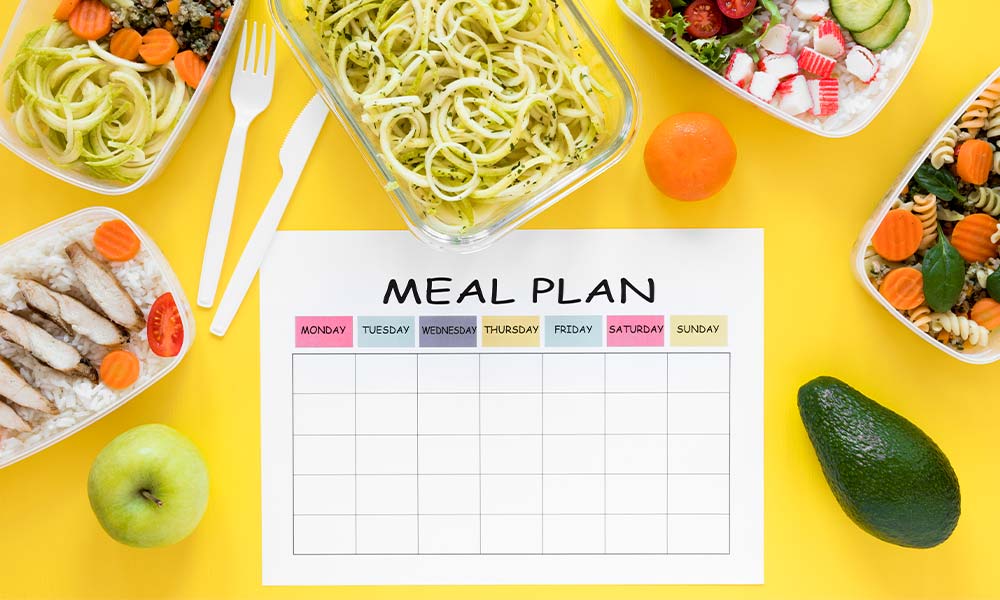
A diet during a calorie deficit should be balanced so that the body receives all the necessary nutrients. Your diet should consist of 35–45% protein, 35–45% carbohydrates, and 10–20% fat. To avoid feeling hungry, choose foods rich in vitamins, minerals, and fiber. Include more vegetables, fruits, leafy greens, and whole grains in your diet. Eat regularly, don’t skip meals to avoid overeating, and drink at least 1.5–2 liters of water a day.
Sample Menu for a Calorie Deficit
A calorie deficit doesn’t mean you have to give up the foods you’re used to. Just plan your meals so that the total calorie intake is slightly lower than usual. Any dish can be adapted to your personal needs and goals. Below is a sample calorie-restricted meal plan. If you wish, you can add your own dishes or substitute ingredients for more affordable or familiar ones.
A 7-day meal plan based on at least 1,500 calories per day.
| Day of the Week | Breakfast | Snack 1 | Lunch | Snack 2 | Dinner |
|---|---|---|---|---|---|
| Monday (1,520 cal) |
Omelet made with 2 eggs, 2 egg whites, tomato, and spinach—200 cal Oatmeal cooked in water with berries—150 cal Black tea without sugar—0 cal |
Greek yogurt (150 g) with 1 tbsp chia seeds — 150 cal | Baked chicken breast (150 g) — 250 cal Green vegetable salad — 150 cal |
1 apple - 80 cal Almonds (10 pieces) - 70 cal |
Baked salmon (150 g) - 250 cal Steamed green vegetables - 100 cal Quinoa (100 g) — 120 cal |
| 350 cal | 150 cal | 400 cal | 150 cal | 470 cal | |
| Tuesday (1,510 cal) |
Plain yogurt (150 g) with chia seeds - 200 cal Oatmeal with honey and nuts - 150 cal |
Oatmeal with fruit (100 g) - 150 cal Nuts 10–15 g - 70 cal |
Braised turkey (150 g) — 200 cal Tomato, cucumber, and avocado salad — 200 cal |
Greek yogurt (150 g) with honey - 120 cal Apple or orange - 80 cal |
Baked potato (150 g) — 120 cal Steamed vegetables — 100 cal Quinoa (100 g) — 120 cal |
| 350 cal | 220 cal | 400 cal | 200 cal | 340 cal | |
| Wednesday (1,503 cal) |
Pancakes made with 1 egg and 2 egg whites, served with honey - 300 cal Black tea without sugar - 0 cal |
Apple — 80 cal Greek yogurt (150 g) — 100 cal |
Grilled chicken breast (150 g) — 250 cal Avocado, cucumber, and tomato salad — 200 cal |
Rice cakes (2 pieces) with cheese and tomato - 103 cal Tea without sugar - 0 cal |
Baked salmon (150 g) - 250 cal Steamed vegetables - 100 cal Quinoa (100 g) - 120 cal |
| 300 cal | 180 cal | 450 cal | 103 cal | 470 cal | |
| Thursday (1,540 cal) |
Omelet made with 2 eggs, spinach, and feta cheese - 250 cal Oatmeal with berries - 150 cal Coffee with 2.5% milk (150 ml) - 80 cal |
Greek yogurt (150 g) – 100 cal Apple – 60 cal |
Buckwheat with chicken breast (250 g) – 300 cal Green vegetable salad – 150 cal |
Nuts 10–15 g – 70 cal 1 orange – 60 cal |
Mashed potatoes (150 g) – 250 cal Baked salmon (100 g) – 120 cal |
| 480 cal | 160 cal | 400 cal | 130 cal | 370 cal | |
| Friday (1,510 cal) |
Two hard-boiled eggs — 140 cal Oatmeal with berries — 150 cal |
Greek yogurt (150 g) with honey - 120 cal Apple or orange - 80 cal |
Mushroom soup with chicken (250 ml) - 200 cal Seafood and vegetable salad (200 g) - 250 cal |
Low-fat cottage cheese (100 g) with berries (50 g) — 125 cal | Rice (150 g) with steamed chicken breast (150 g) — 445 cal |
| 290 cal | 200 cal | 450 cal | 125 cal | 445 cal | |
| Saturday (1,530 cal) |
Cheesecakes (150 g) with berries (50 g) — 325 cal Coffee with 2.5% milk (150 mL) — 80 cal | Yogurt (150 g) with nuts (10 g) — 165 cal | Braised turkey fillet (150 g) — 250 cal Wheat porridge cooked in water (200 g) — 160 cal |
Apple — 80 cal | Mashed potatoes (150 g) — 250 cal Steamed beef cutlet (100 g) — 220 cal Herbal tea — 0 cal |
| 405 cal | 165 cal | 410 cal | 80 cal | 470 cal | |
| Sunday (1,502 cal) |
Omelet with vegetables — 200 cal Oatmeal with berries — 150 cal Tea without sugar — 0 cal |
Greek yogurt (150 g) – 100 cal Low-fat cottage cheese (100 g) with berries (50 g) – 125 cal |
Braised turkey breast (150 g) - 250 cal Green vegetable salad - 150 cal |
Oatmeal with fruit (100 g) - 150 cal Apple or orange - 80 cal |
Chicken breast (150 g) with vegetables (300 g) – 257 cal Low-fat kefir or yogurt (100 g) – 40 cal |
| 350 cal | 225 cal | 400 cal | 230 cal | 297 cal |
How can you speed up weight loss while in a calorie deficit?
Physical Activity
Physical activity is one of the most effective ways to speed up weight loss. This can include both aerobic exercise (running, brisk walking, swimming) and strength training. Cardio helps increase calorie burn, boost endurance, and improve cardiovascular health. Strength training helps build muscle mass, which in turn boosts your basal metabolic rate, since muscles burn more calories even at rest.
Dietary Adjustments
Consuming foods that stimulate thermogenesis (hot spices and seasonings, lean protein, coffee, tea), cutting out fast carbs, and staying well-hydrated can speed up weight loss.
Stress and Sleep Management
Adequate, high-quality sleep is just as important for weight loss as diet and exercise. Sleep influences the production of hormones responsible for feelings of hunger and fullness. The hormone ghrelin signals hunger, while the hormone leptin signals that we are full and should stop eating.
Insufficient sleep can slow down metabolism and increase levels of hormones that stimulate appetite. A person who sleeps less than 6–7 hours has reduced levels of leptin and elevated levels of ghrelin, which means they will feel hungry. Therefore, it is very important to sleep 7–9 hours a day to ensure normal hormone regulation and maintain energy balance.
Using Weight-Loss Supplements
Special dietary supplements with natural extracts also help you lose weight properly.
Synephrine (bitter orange extract)
Synephrine from Vansiton stimulates thermogenesis, which increases the amount of energy released throughout the day. Synephrine has the ability to induce a “chilly sensation” in the body by acting on receptors; in response, the body begins to produce more heat, which means greater utilization of energy derived from fat.
Directions:
Take 1 capsule twice a day (in the morning and 30 minutes before a workout) with meals.

Chromium Picolinate
Chromium Picolinate with Vitamin C in capsules from Vansiton is a sports nutrition product that supports normal blood sugar levels, increases insulin sensitivity, lowers cholesterol, normalizes fat and carbohydrate metabolism, stimulates lipolysis, and suppresses appetite.
Directions:
Take 1 capsule 2–3 times a day with meals.

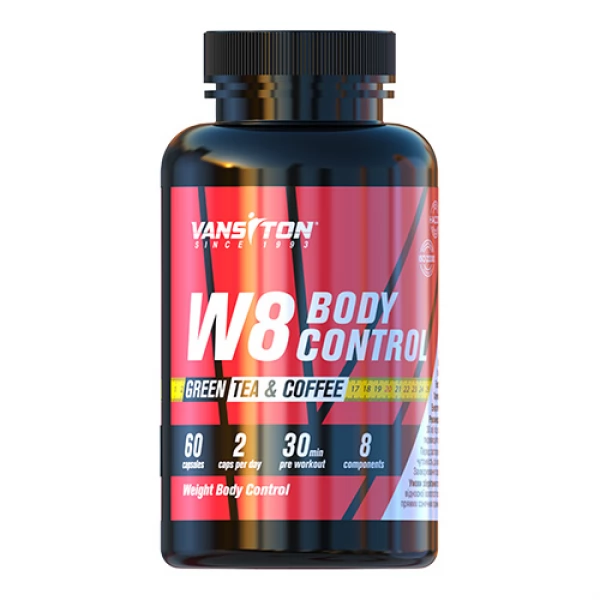
W8 Body Control Fat Burner
W8 Body Control Fat Burner capsules from Vansiton improve fat breakdown, prevent fat accumulation, reduce appetite, and boost energy for long and effective workouts. The formula contains ingredients that actively help burn fat reserves: guarana extract, Cambodian garcinia, anhydrous caffeine, green coffee and green tea extracts, synephrine, and choline.
Directions:
Take 1 capsule twice a day (in the morning and 30 minutes before a workout) with a meal. This product contains caffeine; it is not recommended to consume it with other sources of caffeine or before bedtime.
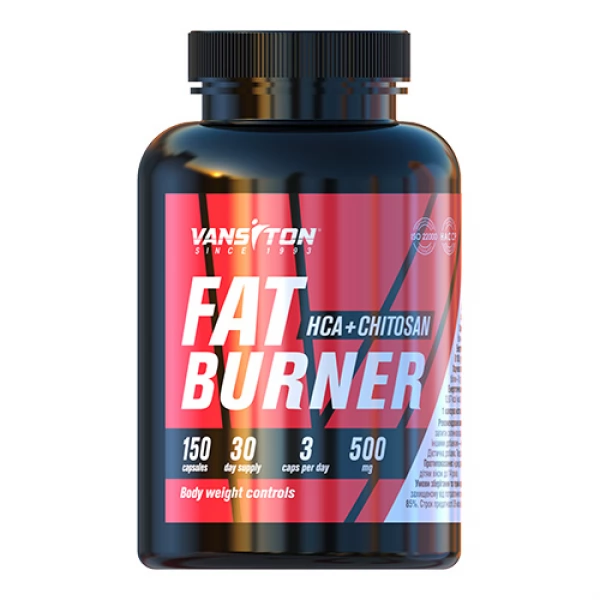
Fat Burner HCA+ Chitosan
Fat Burner HCA+ Chitosan in capsules by Vansiton activates metabolic processes aimed at breaking down fat tissue, prevents fat accumulation, and promotes weight loss. Contains the natural sorbent chitosan, chromium picolinate, vitamin C, and Cambodian garcinia extract.
Directions:
Adults: 2–3 capsules daily, 30 minutes before a meal, with a glass of water.
Weight Loss on a Calorie Deficit: Common Mistakes

Why aren’t you losing weight if you’re carefully following all the advice? Let’s look at a few possible reasons:
Incorrect calculation of your calorie deficit. You calculated your calorie deficit, but it turned out to be too small, and such a minor reduction doesn’t produce the expected results. Or the opposite. If you think that by reducing your calorie deficit to a minimum, you’ll lose weight quickly, that’s not how it works. The effect will be the opposite: a significant calorie reduction for rapid weight loss will cause your body to activate self-preservation mechanisms, lower your metabolic rate, and burn muscle mass instead of fat.
Physical overexertion. Excessively intense workouts without proper recovery can lead to physical exhaustion and slow down the weight loss process. In addition, over-exertion without sufficient calorie intake can disrupt hormonal balance—particularly testosterone and thyroid hormone levels—which can also affect weight loss.
Slowed metabolism. A prolonged period of calorie deficit forces the body to adapt to low food intake. This a natural reaction that can lead to a slowdown or complete halt in weight loss. Therefore, it is important to alternate between periods of weight loss and periods of restoring normal calorie intake to maintain a healthy metabolism.
Stress and cortisol. Changing your diet triggers resistance in the body because it is not used to such changes. Stress levels rise, leading to the release of cortisol. Elevated cortisol levels slow down metabolism, reducing the efficiency of fat burning.
Food quality. A healthy diet should include nutritious and healthy foods with sufficient amounts of fats, proteins, and carbohydrates. Low-calorie diets with reduced macronutrient intake can lead to deficiencies in important vitamins and minerals that affect metabolism and overall health. Therefore, it’s important to consider not only how much you eat, but also what exactly you eat.
How to Avoid Gaining Weight After a Calorie Deficit
Increase your calorie intake gradually instead of abruptly returning to your usual portion sizes. Focus on a balanced, nutrient-dense diet, manage your stress levels, engage in regular physical activity, and monitor your metabolism. Also, make sure to get enough sleep and maintain healthy motivation.
How to Create a Calorie Deficit Without Counting
You can create a calorie deficit without counting simply by reducing the size of your usual portions, even without substituting foods. Check your progress on the scale after a week. A healthy, safe rate of weight loss is 0.5 kg per week. If you don’t see the desired results, you should either reduce your portion sizes further or increase your energy expenditure by focusing more on physical activity.
Can you eat sweets while in a calorie deficit?
Yes, you can. Sweets, like any other food, should be part of your overall calorie balance. You can treat yourself to small portions of sweets by choosing lower-calorie options (such as dark chocolate or fruit-based desserts). The key is not to overeat, so as not to disrupt your overall calorie deficit.
When You Start Losing Weight Due to a Calorie Deficit
You can see the first noticeable changes as early as 1–2 weeks. At the beginning of weight loss, your body loses water—this results in rapid weight loss, but burning fat takes a little longer. The rate of weight loss depends on your body, body type, and activity level.
Scientific sources:
Obesity and Overweight — World Health Organization (WHO)
Managing Overweight and Obesity: Diet and Physical Activity — NICE
Healthy Eating — World Health Organization (WHO)
Steps to Lose Weight — Centers for Disease Control and Prevention (CDC)
Physical Activity and Its Impact on Weight and Health — CDC
Calories and Weight Loss — National Health Service (NHS)
Exercise for Overweight or Obesity — Cochrane
Systematic review of dietary supplements and alternative methods for weight loss — PubMed
Clinical Guidelines on Low-Calorie Diets and Energy Deficit — NICE