Protein: Why Do We Need It?
Protein is the primary structural component of cells, tissues, and organs. Structurally, it is a molecule composed of amino acids linked by peptide bonds.

Functions of protein in the body:
Building and repairing tissues. Proteins make up 20% of the human body and form the basis of muscle tissue, skin, hair, and nails. This means that a regular intake of protein is necessary for the repair of damaged cells and the growth of new ones.
Supporting the immune system. Protein is involved in the production of immune system cells, enzymes, hormones, and blood plasma proteins. It forms antibodies that provide immune protection against viruses and microbes.
Transporting oxygen and nutrients. Hemoglobin, which is a protein, transports oxygen in the blood, providing the body’s cells with the necessary resources for energy.
Energy supply. The breakdown of proteins into amino acids is accompanied by the release of a large amount of energy necessary for the body’s daily functioning.
Enzyme production. Nearly half of the proteins obtained from food are used to produce enzymes that help digest that food and absorb its nutrients.
Muscle growth and maintenance. Proteins are the main components of muscle fibers. During physical activity, muscles undergo microdamage, and it is protein that helps repair this damage by providing the muscles with the amino acids necessary for growth.
Maintaining metabolism and controlling body weight. Protein has the ability to increase the thermic effect of food, which means the body expends more energy digesting protein compared to carbohydrates or fats. This promotes a faster metabolism and can aid in weight management.
Natural sources of protein include meat, fish, eggs, and dairy products, which contain the full spectrum of amino acids the body needs. There are also plant-based proteins, but their content of essential amino acids is significantly lower.
What types of protein are there?
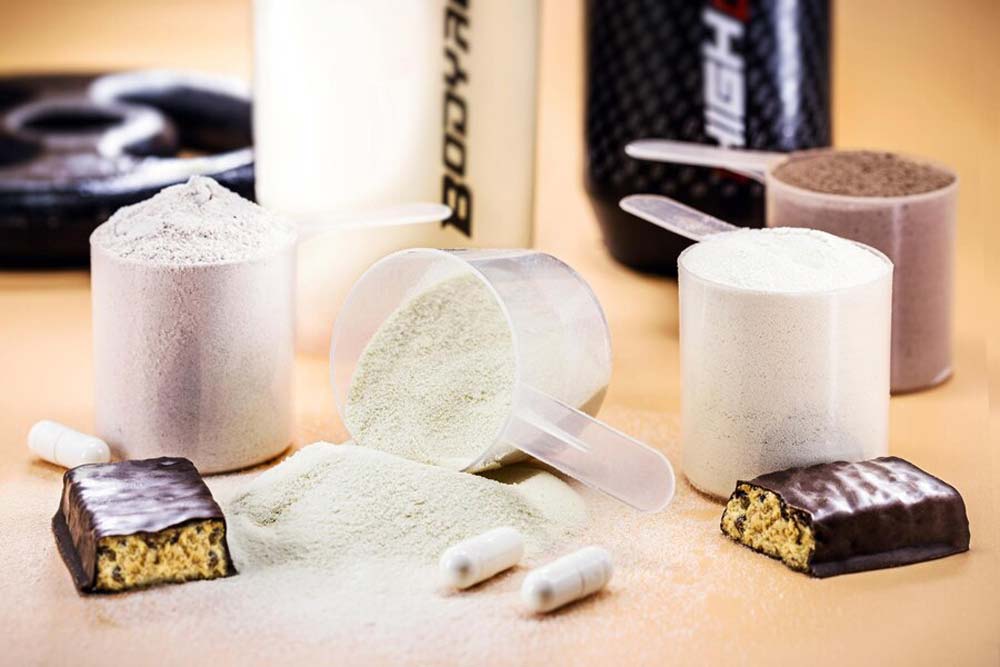
Protein types are classified as follows:
By source:
- animal: meat, fish, dairy products, eggs;
- plant-based: soy, peas, rice, sunflower seeds, hemp.
By type of raw material used:
- whey;
- casein;
- egg;
- beef;
- soy;
- blended;
By degree of purification:
Isolate — the most purified type of protein, containing about 85–90% protein. Isolate is produced using cross-flow microfiltration and/or ion exchange methods, often in several stages. Protein isolate is considered to have the highest biological value among other proteins, because it contains no fat, lactose, or other additional components.
Concentrate — a less processed protein containing 70–80% protein by dry weight, as well as carbohydrates and fats. It is produced by removing water and other components. It contains immunoglobulins and lactoglobulins. It has a pleasant taste and texture and dissolves well in liquids.
Hydrolyzate — proteins partially broken down into peptides through enzymatic or acid treatment of the raw material. It contains about 90% protein. Hydrolyzed protein has high biological value because it is rapidly absorbed by the body and is often used as a component of specialized nutrition for people with sensitive digestion.
By absorption rate:
- fast – absorbed in approximately 20–40 minutes;
- slow – absorbed in approximately 4 to 8 hours.
Fast-acting protein is suitable for building muscle mass and quickly replenishing the body with amino acids.
Slow-release protein is suitable for people who want to lose excess weight while maintaining muscle mass. Slow-release proteins should be taken before bed so that the muscles receive the necessary amino acids overnight. They can be consumed between meals or used to replace one or two meals if necessary.
Whey Protein
Whey protein is a high-quality protein derived from whey.
Features of whey protein:
- an affordable source of protein with a broad amino acid profile;
- is rapidly absorbed by the body, maintaining high levels of amino acids in the blood;
- is low in fat and carbohydrates, which helps build muscle mass rather than body weight;
- accelerates recovery after intense workouts and reduces muscle soreness;
- supports the immune system, as it contains lactoglobulin and lactoferrin, and has anti-inflammatory and antibacterial properties.
Types of whey protein:
Whey protein isolate is highly purified and contains the highest amount of protein (about 90%), with additives not exceeding 10%. It is well-suited for those on a diet low in fats and carbohydrates or who have difficulty digesting dairy products. Absorption takes about 30–40 minutes.
Whey protein hydrolysate – the most processed, rapidly absorbed form of protein. It’s the best option when you need to quickly replenish amino acid deficiencies.
Whey protein concentrate – a popular and effective type of protein, containing 75–83% protein, and very common among athletes. In addition to protein, it contains minerals, carbohydrates, and saturated fats.
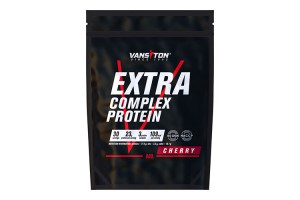
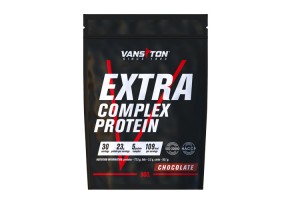
Protein Extra™ Vansiton, a protein complex with both fast-acting and sustained-release effects in chocolate flavor, contains whey protein concentrate, dry milk protein isolate, milk protein isolate (casein), essential and non-essential amino acids, and a small amount of fats and carbohydrates. The amino acids in its composition are absorbed into the bloodstream very quickly and stimulate protein synthesis. Fast-acting proteins quickly meet the body’s need for amino acids, while slow-acting proteins help maintain high blood levels of amino acids over a long period of time.
Directions:
Mix 1 scoop (30 g) with 200 mL of liquid (water, skim milk) . Take 2–3 times a day between main meals, including once 15–20 minutes after finishing a workout.

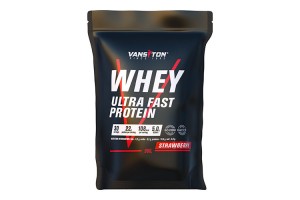
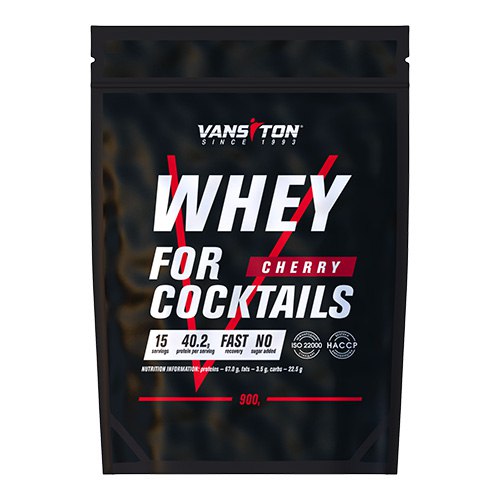
Ultra-Pro Protein 900 g by Vansiton, Strawberry Flavor – a combination of whey concentrate and isolate with rapid onset of action and reduced carbohydrate content. It promotes muscle mass growth and helps control protein intake. Whey protein concentrates contain large amounts of growth factors, such as IGF-1, TGF-1, and TGF-2. Their components also contain higher levels of phospholipids and other biologically active lipids. In addition, the product contains high levels of immunoglobulin and lactotransferrin.
Directions:
Mix 1 scoop (30 g) with 200 ml of liquid (water, skim milk). Take 2–3 times a day between main meals, including once 15–20 minutes after finishing physical activity.
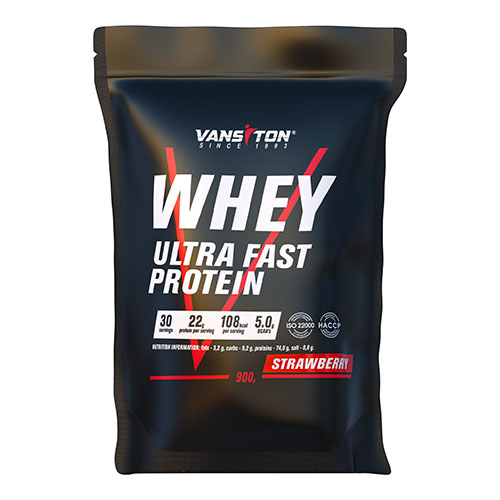
You can boost your energy during your workout by using Vansiton’s protein shake mix—it’s a delicious way to replenish your body with protein, fats, and carbohydrates. The supplement contains 67% protein and up to 22.5% carbohydrates. The supplement helps improve physical performance and endurance during intense physical activity, as well as support muscle recovery and growth.
Directions:
Mix 2 scoops (60 g) with 200–300 mL of liquid (water, skim milk). Take 2–3 times a day between main meals, including once 15–20 minutes after finishing a workout.
The most effective time to consume whey protein is after a workout, when the body requires a rapid replenishment of amino acids for muscle recovery.
Casein Protein
Casein is a complex protein and the main component of milk, found in the form of calcium caseinate. Once it enters the stomach, it precipitates and is digested slowly—taking 4 to 6 hours.
Features of casein protein:
- It is digested slowly, and amino acids are released into the bloodstream gradually;
- It contains all essential amino acids and is a source of calcium;
- has a low glycemic index;
- can be consumed before bed or between meals to replenish protein in the body.
- is recommended for building muscle mass and during long, grueling workouts.
Due to its slow digestion, casein protein is not suitable for rapid protein replenishment, such as after a workout. Casein protein is also not suitable for people with lactose intolerance or allergies to dairy products.
Plant-Based Protein
Plant-based protein is protein derived from plant sources: beans, peas, rice, hemp, seeds, and grains. They do not have as complete an amino acid profile as dairy and animal-based proteins, but this is compensated for by using a higher dosage or by combining different types of plant-based proteins. Plant-based proteins contain more fiber and antioxidants, which are beneficial for digestive health and overall well-being.
Types of plant-based protein:
Pea protein. A concentrated protein blend that contains all 9 essential amino acids, has high biological value, and is 98% digestible . It is free of lactose, gluten, and glucose, making it ideal for those with allergies, intolerances to any of these substances, or dietary restrictions.
Pea protein can aid in weight management by slowing the release of glucose from carbohydrates and promoting a prolonged feeling of fullness. For those looking to lose weight, pea protein helps maintain proper energy balance and prevent hunger pangs.
Rice protein. It has a broad amino acid profile similar to that of whey protein. It contains all 9 essential amino acids and is rich in valine, leucine, and isoleucine. It has a moderate absorption rate, is easily digested, does not cause stomach discomfort, and is suitable for people with sensitive digestion. It is low in enzyme inhibitors and contains no gluten, lactose, or phytoestrogens, which can affect hormonal balance. It has antioxidant properties, reduces the risk of chronic diseases, and slows the aging process. It contains vitamin E and magnesium, which are important for supporting the normal functioning of immune cells. It promotes the synthesis of antibodies that protect the body from infections. It has a neutral taste and effectively satisfies hunger.
Soy protein. A source of complete protein that is low in carbohydrates, fats, and cholesterol. It contains a full set of amino acids, similar to animal protein, making it an ideal meat substitute in the diet. It helps maintain muscle mass and is recommended as a protein supplement for physically active people and athletes.
Vansiton™ Full Plant Protein Soy Isolate, chocolate flavor, contains 90% protein, helps accelerate anabolic processes in the body, increases physical performance and strength, promotes muscle growth, and improves the body’s recovery functions. Suitable for vegetarians and people with lactose intolerance.
Directions:
Mix 1.5 scoops (30 g) with 250–350 mL of liquid (water, juice). Take 2–3 times a day between main meals, including once 15–20 minutes after finishing a workout.

Hemp protein. It is an excellent source of protein, containing 8 essential amino acids, as well as the trace minerals iron, magnesium, zinc, manganese, potassium, calcium, sulfur, copper, and phosphorus, as well as the polyunsaturated fatty acids omega-6 and omega-9. The fiber content promotes better protein absorption and normalizes intestinal peristalsis. Consuming it helps boost the body’s ability to synthesize albumin in the blood, making it ideal for vegetarians, vegans, and people with lactose, gluten, or soy intolerances.
Hemp protein regulates metabolism and promotes muscle recovery and growth. It has a nutty flavor. It can be consumed as a protein shake, mixed with milk, juice, or water, or added to meals for an extra protein boost.
Egg Protein
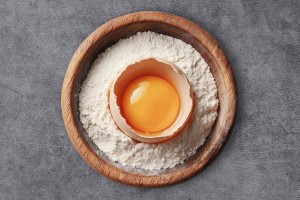
Egg protein (albumin) contains all essential amino acids and a large amount of leucine, which plays an active role in protein synthesis in the body and stimulates muscle growth.
It is digested slowly by the body—4–6 hours. It places minimal strain on the kidneys and the gastrointestinal tract. Its slow absorption suppresses catabolic reactions and protects tissues from breakdown. It stimulates metabolism, has a beneficial effect on the central nervous system, increases hemoglobin levels in the blood, normalizes hormone levels, suppresses appetite, and boosts performance.
Complex (multi-component) protein
Complex protein combines several types of protein derived from different sources (whey, soy, milk, egg) by processing a single raw material using different methods (isolate, concentrate, hydrolysate).
Blended proteins contain proteins that differ in their amino acid profiles, have varying rates of absorption, and complement each other’s effects. Consuming them allows you to address several goals at once:
- quickly replenish the body with amino acids when the need is greatest;
- to ensure a sustained supply of amino acids to the muscles throughout the day or between meals.
Another benefit of blended protein is that, in addition to proteins, it contains additional amino acids—primarily BCAAs—as well as collagen, vitamins, minerals, fatty acids, and enzymes for better absorption.
Combining expensive and inexpensive protein sources results in a product that is high-quality in composition yet affordable.
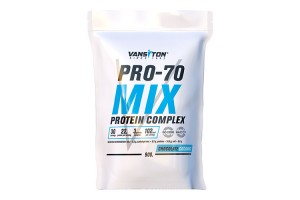
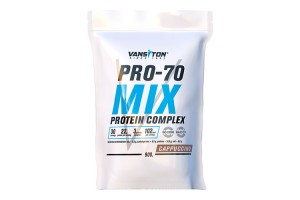
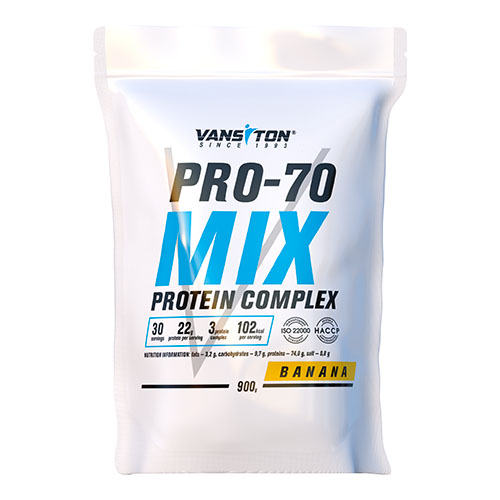
Pro-70 Banana Protein by Vansiton — a blend of whey concentrate and soy isolate—is low in calories and has a diverse amino acid profile. It promotes muscle mass growth. The protein’s unique formula makes it a versatile protein supplement that can be taken at any time of day.
Directions:
Mix 1 scoop of protein (30 g) with 200 ml of water or skim milk. Consume the resulting shake 3–4 times a day between main meals, including once 15–20 minutes after finishing your workout.
How to Choose a Protein: Key Criteria

Your choice of protein depends on your goals, your body’s specific needs, and the type of physical activity you do.
Purpose
For building muscle mass, a protein with extra calories may be helpful, while for weight loss, one with minimal carbohydrates is best.
Quality and Composition
Whey protein typically contains about 20–25 g of protein per serving (30 g), which is optimal for muscle recovery after workouts. Casein contains less protein, but this is offset by its slow digestion. Plant-based proteins contain less protein but more macronutrients and fiber.
Pay attention to the presence of additives such as carbohydrates, fats, vitamins, and minerals. Be especially careful about artificial colors, sweeteners, and preservatives in protein powders. The quality of the ingredients is crucial to the supplement’s effectiveness.
For beginners, it’s important to choose a high-quality protein, so look for trusted brands with positive reviews and quality certifications. Protein supplements must be safe for your health, so don’t skimp when choosing one.
Amino Acid Content
The amino acid content in protein powders is an important factor when choosing a supplement, since it is the amino acids that determine the protein’s effectiveness. Brands often add essential amino acids (especially BCAAs—leucine, isoleucine, and valine), which the body cannot produce on its own and must obtain from food or supplements. They help stimulate protein synthesis, reduce muscle fatigue, and speed up recovery.
Glutamine is one of the most common amino acids in protein supplements. It is important for muscle tissue recovery after intense workouts and for supporting the immune system.
Branched-chain amino acids (BCAAs) help increase endurance and reduce catabolism during workouts. Proteins rich in BCAAs, especially whey protein, are best for post-workout recovery.
High-quality proteins, especially whey or egg protein, contain a full spectrum of amino acids—including both essential and non-essential ones—making them ideal for optimal muscle growth.
Tips for Choosing Protein for Different Goals

Protein for Building Muscle Mass
Whey protein is the most popular choice among those looking to build muscle mass. It is quickly absorbed and contains all the essential amino acids, particularly BCAAs, which stimulate muscle growth and speed up recovery.
Casein is absorbed more slowly and provides a steady, gradual supply of amino acids to the body, which helps reduce catabolism during nighttime rest.
Egg protein has a high biological value, contains high-quality proteins, and promotes muscle growth effectively.
Protein derived from beef or other animal sources can be beneficial for those seeking an alternative to dairy products. It is also rich in amino acids that promote muscle growth.
Which protein should you choose for muscle growth?
The best option is to combine whey protein after a workout with zein or egg protein before bed. This will ensure both rapid recovery after a workout and a steady supply of essential amino acids to the body throughout the night.
How should you take protein to build muscle mass?
To build muscle, the body needs 1.5–2 g of protein per kilogram of body weight. Mix the powder with a glass of liquid and drink it. Protein dissolved in water is absorbed faster, while a drink made with milk will have a richer flavor and higher energy content.
Protein for Post-Workout Recovery
Protein helps repair muscle tissue after workouts, reduces muscle soreness, and stimulates the synthesis of new muscle fibers. Consuming protein 20–60 minutes after a workout allows amino acids to actively begin repairing damaged muscles.
Whey protein is the best choice after workouts because it is quickly absorbed and contains all the essential amino acids needed for recovery. It also has high levels of BCAAs (branched-chain amino acids), which help reduce muscle damage and speed up recovery.
Protein for Weight Loss
When losing weight, the body requires 2 –3 g of protein per 1 kg of body weight. The benefit of protein for weight loss is that it helps suppress appetite and prevent muscle breakdown.
How to Choose a Protein Supplement for Weight Loss?
For weight loss, it’s important to choose protein supplements that help preserve muscle mass, reduce appetite, and boost metabolism.
The most popular protein for weight loss is whey protein. It reduces appetite thanks to its high content of amino acids that promote satiety, speeds up metabolism, and—during a calorie deficit—helps preserve muscle, which contributes to more effective fat burning.
Casein protein is beneficial for weight loss because it provides a long-lasting feeling of fullness and helps control hunger between meals. You can drink a serving of casein protein at night—this will help your muscles get the amino acids they need and recover while you sleep.
Plant-based proteins contain fewer calories and less fat, and more fiber and antioxidants. This helps lower the overall calorie content of your diet and reduce body fat.
How to Take Protein as a Beginner

Recommended dosage
The minimum daily protein intake is 0.8–1 g per 1 kg of body weight. That is, for a person weighing 70 kg, the daily intake would be 56–70 g of protein powder.
The daily requirement for people who exercise or engage in intense physical activity is higher, ranging from 1.6 to 2.2 g of protein per kilogram of body weight. Therefore, if you weigh 70 kg, you should consume between 112 and 154 g of protein per day. Part of this amount comes from food, and the rest comes from protein supplements.
When to Take Protein
When Is the Best Time to Drink Protein—Before or After a Workout?
The optimal time to take protein is 15–20 minutes after a workout or physical activity, when the muscle recovery process begins.
If your workout is long or high-intensity, taking protein before your workout provides your body with the resources it needs to maintain energy levels and prevents damage to muscle fibers.
You can take protein between meals or use it to replace 1–2 meals throughout the day. Before bed, you can use slow-release proteins—they’ll maintain sufficient amino acid levels in your blood throughout the night.
What to Pair Protein With
The most effective protein combinations for achieving maximum results:
Creatine combined with protein increases endurance, helps build muscle mass, and improves recovery after physical activity.
Beta-alanine, when combined with protein, helps improve endurance, reduces muscle fatigue, and speeds up recovery.
Glutamine aids in muscle tissue repair and supports the immune system. When combined with protein, it effectively reduces catabolism and promotes muscle growth.
B vitamins, vitamin D, calcium, and magnesium, together with protein, support muscle function and muscle mass growth.
Carbohydrates combined with protein promote muscle growth and replenish energy stores after a workout.
Is there such a thing as lactose-free protein?
Yes, lactose-free protein exists.
Whey protein isolate is a more purified form of whey protein, in which lactose is significantly reduced or completely removed.
Plant-based protein is lactose-free and is an excellent alternative for those who do not consume dairy products or are lactose intolerant.
Lactose-free casein protein is also suitable for people with lactose intolerance.
Can you drink protein at night?
Yes, you can. Casein protein at night can be beneficial for people who want to maintain muscle mass and control their appetite. If you’re actively involved in sports, consuming protein before bed will help your muscle tissue recover and promote muscle growth.
Does protein lead to weight gain?
Protein can cause weight gain in only two cases: – if you consume protein in large quantities without proper calorie control—when your body consumes more calories than it burns; – if you’re not physically active—protein intake can lead to calories being stored as fat. So keep an eye on your calorie intake and don’t forget to exercise!
Which protein is best for weight loss?
For weight loss, it’s important to choose protein supplements that will help preserve muscle mass, reduce appetite, and boost your metabolism. You can choose from several types of protein: whey: digests quickly, contains all essential amino acids, reduces hunger, and speeds up metabolism. Casein: absorbed slowly, maintaining amino acid levels in the blood for an extended period, providing a long-lasting feeling of fullness, and reducing appetite. Vegan proteins are plant-based, low in calories and fat but high in fiber, and are easily absorbed by the body.