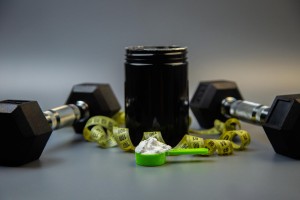
What is a weight gainer?

A weight gainer is a specialized dietary supplement for athletes, consisting of natural protein and carbohydrates in varying proportions.
From a sports nutrition perspective, a weight gainer is a product is designed to quickly provide the body with calories from carbohydrates and amino acids from protein. Bodybuilders, weightlifters, and powerlifters use weight gainers to restore energy and replenish essential nutrients that the body loses during intense, grueling workouts.
From a nutritional standpoint, a weight gainer is a popular dietary supplement that can be considered an additional meal throughout the day, helping to make up for a calorie deficit in the diet.
In an athlete’s diet, a weight gainer serves the following functions:
- It helps with recovery after intense workouts and supplies the body with essential nutrients;
- It increases the overall calorie content of the diet and helps people with a lean build gain muscle;
- maintains muscle definition while gaining weight, since using weight gainers builds muscle mass rather than body fat;
- supports a sports nutrition regimen when it’s not possible to eat a full meal during the day. Preparing a weight gainer takes just a few minutes, so using it is convenient and helps maintain the necessary nutritional regimen.
- It helps control the calorie content of your diet and maintain a balance of essential nutrients.
Weight gainers are recommended for people with active lifestyles, those who exercise, professional athletes, bodybuilders, and anyone with high physical activity levels.
Weight Gainer for Mass Gain

Since the supplement contains proteins and carbohydrates, it is high in calories—one serving contains about 1,000 calories. The product’s high calorie content allows you to build muscle and gain body mass at the same time.
To gain weight, you need a calorie surplus—that is, you must consume more calories than your daily requirement. A weight gainer allows you to accumulate calories without much effort.
To gain “lean mass,” you should follow a proper diet. Your daily diet should contain a balanced amount of proteins, fats, and carbohydrates of both animal and plant origin. Digestive enzymes (dietary fiber) in these supplements improve intestinal function and help the body better absorb nutrients from food. They also help eliminate toxins from the body.
Weight gainers contain protein for rapid muscle recovery after workouts and amino acids, which accelerate muscle growth and increase muscle mass.
The combination of a weight gainer, a balanced diet, and proper exercise helps build muscle faster and gain weight in a healthy way.
Weight gainers are best suited for:
People with a lean build (ectomorph body type) who have difficulty gaining muscle mass. Due to their fast metabolism, such people generally find it difficult to gain muscle and increase their overall mass. Easily digestible, high-calorie supplements deliver noticeable results—you can gain 10–15 kilograms in a month. But this is only possible if you strictly adhere to a diet plan, combined with strength training and cardio workouts once a week to support your cardiovascular system.
To determine which weight gainer is best for lean individuals looking to gain mass, you should look at the protein-to-carbohydrate ratio in its composition.
For bodybuilders during the mass-gaining phase, a weight gainer provides a healthy diet high in protein and carbohydrates.
Athletes who are building endurance—such as runners, track and field athletes, cyclists, and swimmers—need a higher amount of carbohydrates and protein to restore muscle and glycogen.
Weight Gainer Composition
Weight gainers contain proteins and carbohydrates, with a ratio that can vary from 50/50 to 75/15 depending on the type of weight gainer and the manufacturer, but weight gainers generally contain more carbohydrates. Weight gainers also contain proteins and carbohydrates with different glycemic indexes to ensure that muscle glycogen is quickly replenished after intense exercise. High-quality weight gainers also contain vitamins, minerals, unsaturated fats, and digestive enzymes. All of these ensure rapid protein absorption and promote energy recovery and active muscle growth.
Types of Weight Gainers
Weight gainers are divided into high-carbohydrate and high-protein (protein) types.

High-Carbohydrate Weight Gainers
Carbohydrates predominate in this type of weight gainer—the ratio of carbohydrates to protein ranges from 3:1 to 5:1. Carbohydrates can be simple (fast-acting carbohydrates) or complex (slow carbs).
During intense workouts or physical activity, blood glucose levels drop and can reach a critical point, leading to muscle fatigue and a decline in performance. Simple carbs have a high glycemic index. This means they are quickly digested, absorbed, and metabolized, raising blood sugar levels. Sources of simple carbohydrates include maltodextrin, fructose, sucrose, dextrose, glucose, starch, glucose syrup, and rice syrup.
Complex carbohydrates have a much lower glycemic index; they take longer to process and break down, so they are absorbed more slowly and raise blood sugar levels gradually. Sources of complex carbohydrates include grains, legumes, bran, oats, barley, and buckwheat.
In addition to carbohydrates, a high-carb gainer also contains vitamins, minerals, creatine, amino acids, probiotics, and dietary fiber, which accelerate its absorption.
High-carbohydrate gainers are high in calories—they provide a quick energy boost and help raise blood insulin levels, which helps glucose enter muscle tissue and be converted into glycogen. This improves the athlete’s overall well-being. Taking a weight gainer before a workout helps boost performance and build muscle, while taking it after a workout helps quickly restore energy.
High-carbohydrate weight gainers help beginner athletes and people with a lean build and a fast metabolism gain weight quickly. Taking this supplement increases muscle mass without adding body fat.
High-protein weight gainers
High-protein weight gainers are a special blend containing more than 20% protein. The protein-to-carbohydrate ratio in these blends ranges from 1:2 to 1:1. The higher protein content allows you to quickly gain muscle mass and recover after intense workouts.
Many sports nutrition manufacturers offer ready-made high-protein blends for professional athletes.
Among their benefits, the following are worth noting:
- faster muscle mass gain;
- prevention of severe muscle soreness during workouts;
- rapid recovery after strenuous physical exertion;
- a powerful “pump” effect.
High-protein gainers were created for professional athletes—they not only restore lost strength but also help improve physical performance in professional sports.
Benefits of Weight Gainers
Weight gainers as supplements promote a balanced ratio of protein and carbohydrates in the body.
Among their benefits:
- providing energy to muscle tissue;
- rapid muscle mass gain;
- preventing muscle tissue breakdown;
- increasing endurance and performance during workouts;
- supplying the body with energy;
- promoting rapid and optimal recovery of strength and energy after physical exertion.
Increasing Muscle Mass
The main factor in increasing muscle mass is a sufficient number of calories that the body must receive from food. The purpose of a weight gainer is to increase the caloric content of the diet, provide additional energy, and aid recovery after physical exertion. The protein in a weight gainer helps accelerate muscle growth and increase muscle mass. The combination of a healthy diet and a weight gainer helps build muscle faster and in a healthy way.
Quick Recovery After Workouts
Consuming weight gainers after intense workouts helps close the protein-carbohydrate window—the period when the body’s energy reserves are depleted and need to be replenished. Highly effective protein blends help achieve this quickly and thoroughly.
Increased energy levels
Carbohydrates are the body’s primary source of energy—and the main component of all weight gainers.
Consuming high-carbohydrate weight gainers before a workout boosts strength, endurance, and performance, while after a workout, they help quickly replenish burned calories and restore energy levels.
How to Choose a Weight Gainer
First, you should determine why you need a weight gainer and what goal you want to achieve. There is a wide variety of products available from manufacturers, and it’s worth taking a little time to choose exactly what you need.
So, what should you look for when choosing a weight gainer?
Ingredients and their proportions. A weight gainer is a mixture consisting primarily of carbohydrates. They’re essential for restoring energy, increasing athletes’ endurance, and enhancing the intensity and effectiveness of workouts. The carbohydrate content can range from 40 to 75%, depending on the manufacturer and the specific supplement’s purpose. Weight gainers with a high carbohydrate content will be helpful for lean individuals looking to gain mass. As for protein, a supplement with a protein content of 15–20% will be sufficient for lean individuals.
Those who are prone to weight gain should be careful with carbohydrates—unburned carbohydrates are converted into subcutaneous fat, and instead of building muscle, you may experience the side effect of new curves and excess weight. You should choose a weight gainer that contains at least 30% protein, has a moderate fat content, and consists mostly of unsaturated fatty acids.
Types of Proteins and Carbohydrates. Whey protein is most commonly used in weight gainers, sometimes in a blended form with other types of protein. Whey protein is both rapidly absorbed and 100% complete in terms of its amino acid profile. It’s best to avoid weight gainers based on plant proteins (soy, rice, pea), though they may be suitable for vegans.
Sources of carbohydrates in weight gainers can include sugar, glucose, starch, sucrose, syrups (rice and glucose), dextrose, and maltodextrin. The latter is plant-based, made from starch, and breaks down completely into glucose. Keep in mind that it has a fairly high glycemic index (94–106 GI, depending on the manufacturer) and can lead to a sharp rise in blood sugar levels. For people with symptoms of diabetes or insulin resistance, supplements without sugar or sweeteners—or with minimal amounts of them—are preferable.
Since a weight gainer is not a one-time product but one for daily consumption, it must be largely harmless and safe, so choose a product with non-toxic sugar substitutes and sweeteners, such as those based on sucralose or stevioside.
Calorie content. This figure is directly related to the serving size and the ratio of the weight gainer’s ingredients. Pay attention to the macronutrient composition (proteins, fats, carbohydrates) . High-carbohydrate weight gainers are very high in calories, so in each specific case, read the instructions on the package and choose a serving size that meets your needs. You can adjust your calorie intake by combining different weight gainers or adjusting the serving size.
Other ingredients. Manufacturers add vitamin and mineral complexes (vitamin E, vitamin B1, vitamin B2, vitamin B6, vitamin B12, folic acid, vitamin B5, vitamin B3, biotin, vitamin C), amino acids, L-glutamine, creatine, a small amount of fat, dietary fiber, or digestive enzymes to ensure the supplement is absorbed fully and effectively.
The presence of fat in the formula helps the body absorb vitamins more effectively.
L-glutamine prevents symptoms of overtraining, stabilizes energy metabolism, helps retain water in muscle tissue, aids post-workout recovery, and boosts the immune system.
Flavorings, packaging, and brand. You can choose a weight gainer with different flavorings—vanilla, chocolate, fruit flavors—whatever you prefer. Weight gainers come in various package sizes, but for beginners, we recommend starting with a small package to try it out. If you’re satisfied with it, you can then purchase a larger package or can. Pay attention to the manufacturer’s reputation and give preference to trusted brands.
Start-Gainer is designed to help an athlete’s body adapt to maximum physical stress. It improves blood circulation, stimulates heart function, supplies muscles with oxygen and nutrients, and stabilizes and enhances metabolic processes in muscle tissue.The formula includes an energy complex based on the natural energy booster guarana, L-carnitine, and “fast” carbohydrates.
 Vansiton MULTIGAINER helps solve two problems — it helps athletes gain body mass quickly, even those for whom this is an insurmountable challenge, and it also increases physical endurance and rapidly restores energy reserves after intense workouts.
This supplement is a source of protein and carbohydrates for individuals who are professionally involved in sports. It helps improve physical performance and the body’s endurance under heavy physical stress, and accelerates recovery after intense workouts.
 Vansiton Creamas Chocolate-Flavored Weight Gainer is a whey protein concentrate in the most easily digestible form of protein, which is essential for building muscle fibers. It increases endurance, promotes muscle mass growth, and helps with recovery after competitions or workouts.

Like any dietary supplement, weight gainers have their own contraindications and side effects.
Weight gainers are not recommended for people with the following conditions:
- lactose intolerance;
- gastrointestinal issues, gastritis;
- kidney dysfunction. The creatine in weight gainers may lead to kidney dysfunction;
- high blood pressure. Some ingredients may raise blood pressure;
- allergies. Allergic reactions may occur to certain ingredients in the product;
- obesity. The high calorie content of weight gainers can exacerbate the situation.
How to Take a Weight Gainer

Before you start taking a weight gainer, you should determine the daily dose that’s right for you. It depends on your body weight and diet.
People who want to increase muscle mass quickly are advised to divide their daily dose into two or three servings.
To take a weight gainer, mix the recommended amount of dry powder with water, milk, or another beverage. A weight gainer mixed with water is absorbed more quickly. A weight gainer mixed with milk takes a little longer to be absorbed.
It is not recommended to mix a weight gainer with carbonated beverages, lemonade, or packaged juices. Do not mix the weight gainer with hot beverages or boiling water—at high temperatures, the protein denatures and loses its beneficial properties.
Be sure to read the instructions and strictly follow the recommended doses. Exceeding the recommended amount of the supplement may lead to results that are the exact opposite of what you want.
To make the weight gainer tastier and higher in calories, you can add common foods to it, such as peanut butter, yogurt, fermented milk products, vanilla ice cream, or fruit smoothies.
You can also combine weight gainers with other types of sports nutrition—such as protein supplements, amino acid complexes, creatine, and so on.
When to Take It
How you take a weight gainer depends on your workout routine and diet.
Some experts recommend taking a weight gainer twice a day, while others suggest dividing the daily dose into three or even four servings.
When should you take a weight gainer? It’s recommended to consume it before and after workouts. A pre-workout weight gainer fuels your body with carbohydrates —this helps increase endurance, reduce fatigue, and train with greater intensity. It’s best to take a weight gainer an hour to an hour and a half before your workout so it has time to be fully absorbed.
The optimal time to take a weight gainer after finishing a workout is within the first hour. It is precisely at this time that a protein-carbohydrate window opens in the athlete’s body—a brief period when the body has depleted its own energy reserves and requires immediate replenishment. Taking a weight gainer during this period is most effective—the supplement’s easily digestible ingredients will help you quickly recover, build muscle, and replenish energy reserves without gaining fat.
Weight gainers can also be used as part of your regular diet—they’re a convenient way to boost your calorie and energy intake throughout the day. However, it’s important to remember that a weight gainer is a sports nutrition product, not a meal replacement, so it should only be used as a supplement to a complete, balanced diet.
Dosage
The following factors influence the choice of weight gainer dosage:
- the athlete’s body weight, height, and age;
- the type of sport, as well as the intensity and frequency of workouts;
- diet and eating habits;
- lifestyle.
To gain weight, you’ll need to take a weight gainer regularly. The dosage should be calculated based on gender, weight, and the number of meals per day. With a standard three-meal-a-day regimen, the recommended amount for men is 16 grams of powder per 10 kilograms of body weight, and for women, 14–15 grams per 10 kilograms.
The recommended daily dose of the supplement is approximately 80–200 g, but this value may vary depending on the manufacturer. Be sure to read the instructions!
Approximate weight gainer doses based on body weight are shown in the table.
|
Body weight, kg |
Recommended daily dose, grams |
|
Less than 80 |
70–150 |
|
90–100 |
150–200 |
|
Over 100 |
200–300 |
What should you drink a weight gainer with? You can mix a weight gainer with milk—this provides extra calories and whey protein. It makes for an excellent breakfast shake.
You can combine a weight gainer with fermented milk products—such as kefir, ryazhenka, or plain liquid yogurt.
It’s best to divide the daily dose into several servings.
Combining with Other Sports Nutrition
You can combine weight gainers with other sports nutrition products. Weight gainers pair well with creatine, which is better absorbed in the presence of proteins and carbohydrates. You can also take protein, anabolic supplements, and vitamin-mineral complexes.
Can you use a weight gainer while trying to lose weight?
Weight gainers are contraindicated during weight loss because the high amount of simple carbohydrates blocks fat breakdown. You can support your body during workouts with energy drinks, and in hot weather, prevent dehydration with isotonic drinks.
Are weight gainers suitable for beginners?
Yes, they are. Weight gainers can be used by anyone who has trouble gaining body mass: people with a lean build, a poor appetite, or a fast metabolism.
Can you take a weight gainer along with other supplements?
Yes, you can. Weight gainers pair well with other types of sports nutrition—proteins, amino acids, vitamin and mineral complexes, and creatine.
How does a weight gainer differ from protein?
Protein is pure protein. A weight gainer is a mixture of carbohydrates and proteins, with carbohydrates being the predominant component.
Which should you choose—a weight gainer or protein—if you’re skinny?
Definitely a weight gainer. For skinny people with a fast metabolism who have trouble gaining muscle mass, a weight gainer will help them gain weight in a relatively short time. However, for those who are prone to being overweight and gain weight quickly, overusing a weight gainer is not recommended. Protein would be more beneficial for them, as it helps increase muscle mass without increasing body fat.
How to Combine Weight Gainers and Protein?
Weight gainers and protein are both types of sports nutrition, but they serve different purposes. Protein promotes rapid muscle growth, prevents catabolic processes in the muscles, and accelerates muscle recovery. Weight gainers, on the other hand, help you gain weight and recover after workouts. Combining a weight gainer with protein is simple: take the weight gainer before your workout and the protein after you finish. This will balance your protein and carbohydrate intake.
Scientific sources:
Nutrition Recommendations for Bodybuilders During the Off-Season: A Narrative Review
Recommendations for mass gain for athletes and military personnel: a critical review of the evidence
Is an Energy Surplus Necessary to Maximize Skeletal Muscle Hypertrophy During Strength Training
Position Statement from the International Society of Sports Nutrition: Protein and Exercise
Position Statement from the International Society of Sports Nutrition: Timing of Nutrient Intake
Nutrition for Recovery After Endurance Exercise: Optimal Carbohydrate and Protein Replenishment
Position Statement of the International Society of Sports Nutrition: Diets and Body Composition
Position Statement from the International Society of Sports Nutrition: Timing of Nutrient Intake