Is it really possible to lose weight quickly without harming your health?

Rapid weight loss is a topic that concerns many people. Often, people strive to lose excess weight quickly, especially before important events. However, it’s important to understand that rapid weight loss can be dangerous and often leads to negative health consequences.
Losing weight without harming your health isn’t just about following a “diet” for a specific period. In a broader sense, it’s about leading a healthy lifestyle and continuously improving your daily habits, which should become the norm. A balanced, nutritious diet, sufficient physical activity, and a systematic approach to weight loss—including determining where and how much weight you plan to lose and over what timeframe—will allow you to navigate this process as effectively and safely as possible.
Why Rapid Weight Loss Can Be Dangerous to Your Health
A vast number of weight-loss diets often promise quick results in a short period of time. However, most of these diets are based on strict dietary restrictions and intense physical activity. Rushing into diets that promise to “lose 10–20 kilograms a week” usually ends in health problems and huge medical bills. As soon as the diet ends, the lost weight returns very quickly, the body is under stress, and you have to start all over again.
The dangers of rapid weight loss:
Loss of muscle mass. Rapid weight loss often leads to the loss of not only fat but also muscle mass. This can slow down your metabolism.
Nutrient deficiency. By restricting calories, the body does not receive the necessary amount of vitamins and minerals, which can lead to serious health problems.
Psychological stress. Diets that promise quick results can cause anxiety and eating disorders.
Weight Loss. Where to Start?

Setting Goals and Realistic Expectations
Before starting a weight-loss journey, it’s important to clearly define your goals and set realistic expectations. This will help you avoid disappointment and stay motivated throughout your journey.
Goals should be specific. Instead of general statements like “I want to lose weight,” it’s better to set a specific goal like “I want to lose 5 kilograms in three months.” Specific goals are easier to measure and evaluate.
Assessing Your Current Health Status
Before starting any weight-loss program, it’s important to consult with a doctor or dietitian. They’ll explain how to lose weight safely and help you develop a meal plan tailored to your individual needs. This plan will take into account your health status, existing medical conditions, and potential risks. This is especially important for people with serious chronic conditions, those who are severely overweight, women concerned about how to lose weight after childbirth, and anyone who believes they can lose two sizes a month without dieting or exercising.
Meal Planning
Meal planning is a key step in weight loss. The right approach to meal planning not only helps control calorie intake but also provides the body with all the necessary nutrients.
Choosing Physical Activities
Physical activity is an indispensable part of any weight-loss program. Sports, exercise, dancing, yoga, fitness, or even long walks in the fresh air will help you burn excess calories, strengthen your muscles, and improve your well-being. You can combine various types of physical activity.
Psychological Preparation
Any changes in habits and behavior are a source of stress and require appropriate psychological preparation.
Clear goals, realistic expectations, and planning your weight-loss process will help you stay motivated and achieve your goals.
Focus on achievable goals and then praise yourself for your perseverance and determination. Avoid excessive self-criticism and drastic dietary restrictions; to start, it’s enough to simply reduce the amount of sweets. For example, by eating 1 piece of candy instead of 3, you satisfy your psychological craving for sweets without hindering your weight loss.
How to Eat Right to Lose Weight

How can you lose weight without dieting by eating right and exercising? Follow a few basic principles of healthy eating:
- balance;
- frequent meals;
- portion control;
- food preparation;
- adequate fluid intake.
Create a calorie deficit
A calorie deficit is a state in which the body does not receive enough calories from food and therefore burns calories from its existing reserves. To lose weight, you should consume fewer calories than your body burns in a day.
Your daily calorie requirement can be determined using the Miflin-Saint-Geor formula:
- for women: (10 × weight) + (6.25 × height) – (5 × age) – 161;
- for men: (10 × weight) + (6.25 × height) – (5 × age) + 5.
The resulting number should be multiplied by a factor of 1.375.
For those who lead an active lifestyle and exercise, it is possible to lose weight without starving yourself or restricting your diet by reducing your daily calorie intake by 10%.
For people with a sedentary lifestyle, calorie intake should be reduced by 20%.
The simplest tips are to serve food on smaller plates to reduce portion sizes, eat slowly, and avoid distractions while eating. Gradually replace your usual foods with healthier options and transition to a healthy diet.
Choosing Healthy Foods: Proteins, Fats, and Carbohydrates
A low-calorie diet is not intended to make you go hungry or feel significantly restricted in your food choices. For a balanced diet, your menu should include foods containing sufficient amounts of protein, fat, and carbohydrates.
Since carbohydrates are the body’s primary source of energy, when their intake is reduced, the body uses fat reserves to meet its energy needs. Therefore, the main goal of a balanced diet is to reduce carbohydrate intake while increasing the amount of protein and healthy fats.
A healthy diet should include:
- sources of fiber and antioxidants: vegetables, fruits, buckwheat, rice, and whole grains.
- proteins to maintain muscle mass: lean meat, fish, legumes, dairy products, and eggs.
- healthy fats: fruits, avocados, olive oil, nuts.
Boost Your Metabolism Through Diet
How can you boost your metabolism to lose weight? Add metabolism-boosting foods to your diet.
More protein-rich foods. Lean meat, fish, dairy products, eggs, and legumes are excellent sources of protein.
Tea and coffee. It has been found that a cup of green tea without additives boosts calorie burning for 2 hours, while coffee does so for 4 hours.
Spicy and seasoned foods. Red pepper, garlic, mustard, and ginger effectively boost metabolism. Cardamom, cilantro, and cinnamon boost metabolism by nearly 20%.
Fiber-rich foods. Fresh fruits and vegetables, whole-grain bread, and legumes improve digestion and promote a long-lasting feeling of fullness.
Cold beverages. Your body burns extra calories warming up liquids, so you should opt for cold beverages.
Cut out sweets. An excess of sugar in the body leads to the production of large amounts of insulin, which slows down metabolism.
Drink water. A glass of water in the morning on an empty stomach reduces appetite by filling the stomach, and throughout the day helps burn calories faster and eliminate waste products from the body.
Sample 7-Day Weight-Loss Menu
Before starting a weight-loss program, you must consult a doctor or dietitian. They will advise you on how to properly plan your meals, taking into account your health, needs, and weight-loss goals.
You should plan your menu for the entire week at once—this way, you can determine which foods to buy.
Monday
Breakfast: omelet with vegetables, coffee or green tea without sugar
Mid-morning snack: a banana or an apple
Lunch: vegetable salad, lean fish
Afternoon snack: fruit
Dinner: boiled chicken breast, 1 tomato, 200 g of kefir.
Tuesday
Breakfast: cottage cheese casserole with fruit or oatmeal with fruit, tea without sugar.
Mid-morning snack: yogurt, nuts or an apple
Lunch: rice with steamed chicken breast, vegetable salad
Afternoon snack: sour milk cottage cheese with berries or 50 grams of walnuts
Dinner: seafood salad with olive oil or boiled cauliflower with baked chicken.
Wednesday
Breakfast: Scrambled eggs with vegetables and whole-grain rye toast, unsweetened tea
Mid-morning snack: an orange or a grapefruit
Lunch: whole-grain pasta with braised beef, vegetable salad
Afternoon snack: fruit smoothie or tomato juice
Dinner: grilled chicken with vegetables or braised vegetables
Thursday
Breakfast: omelet with tomatoes and spinach, whole-grain toast, unsweetened tea
Mid-morning snack: yogurt
Lunch: buckwheat with stewed rabbit or vegetable salad with mushrooms
Afternoon snack: fruit yogurt, 50 grams of nuts
Dinner: stewed vegetables with beans or boiled (stewed) fish with vegetables
Friday
Breakfast: cheese pancakes with berries and a spoonful of honey, tea or coffee without sugar
Mid-morning snack: an apple or a pear, 50 grams of walnuts
Lunch: soup with vegetables and chia seeds or mashed potatoes with green peas and stewed red fish
Afternoon snack: fruit yogurt
Dinner: steamed veal cutlets, braised vegetables, kefir
Saturday
Breakfast: oatmeal with fruit and honey, tea without sugar
Mid-morning snack: an apple or an orange
Lunch: brown rice with steamed vegetables
Afternoon snack: fruit yogurt, nuts
Dinner: mashed potatoes, chicken salad with avocado and tomatoes, kefir
Sunday
Breakfast: omelet with vegetables or stewed vegetables, unsweetened tea
Mid-morning snack: fruit
Lunch: spinach soup or vegetable salad with boiled chicken.
Afternoon snack: low-fat cottage cheese with berries or yogurt
Dinner: steamed cutlets, quinoa, vegetable salad
You can mix and match dishes from the menu based on your preferences and daily calorie intake.
Exercises for Weight Loss

Weight-loss exercises fall into two categories:
- aerobic (cardio)—brisk walking, running, cycling, swimming, or dancing. Aerobic exercises increase your heart rate, which remains elevated for one to two hours or longer, depending on the duration of the workout.
- strength training—pull-ups, weightlifting, or workouts with maximum effort on strength training machines in several sets with a specific number of repetitions followed by rest.
Cardio: What exercises are most effective
Cardio workouts at home and at the gym are primarily aimed at burning fat and losing weight, while strength training helps increase endurance and build muscle mass.
The most effective exercises for slimming the hips and waist are squats and lunges.
Squats are a compound movement that engages several muscles simultaneously. During a squat, the hips, knees, hamstrings, ankles, glutes, and hip muscles are activated. Combined movements burn more calories while preserving muscle mass.
Jump squats stimulate rapid muscle contractions—performing short, powerful movements burns more calories in the same amount of time compared to long, repetitive exercises like running or walking.
Lunge exercises are effective for slimming the thighs, waist, and legs. Walking with lunges is a great way to burn calories, and when combined with strength training—such as using dumbbells—it speeds up your metabolism and promotes greater energy expenditure.
How to lose belly fat is a common concern for many women. To shed excess weight from the belly and sides and tone your abs and back muscles, try crunches, leg lifts (up and to the sides), “scissors,” and “bridge” exercises. You won’t be able to completely lose belly fat through exercise alone—a comprehensive approach is needed, and you should start by establishing a healthy eating plan.
Strength Training
Strength training at the gym helps burn calories while also building muscle mass. The accelerated metabolism during workouts causes the body to expend more energy to maintain muscle mass, which promotes weight loss even at rest.
Compound exercises— that engage multiple muscle groups simultaneously—such as weighted squats, deadlifts, and bench presses. The weight load is selected individually, with 8 to 12 repetitions of each exercise performed at a moderate pace. For intensive weight loss, cardio should be added to the strength training program—this will help maintain high training intensity and burn calories effectively.
Workout Frequency
The first results appear after two weeks as a result of the muscles shedding excess water. A moderate-intensity exercise routine for weight loss should consist of at least 60 minutes, 3–4 times a week.
You can adjust the intensity of your workouts on your own—start with the easiest exercises and gradually increase the load, duration, and intensity of your workouts. Don’t forget to rest so your muscles can fully recover.
Studies show an average weight loss of 7% after 120 days of exercise, provided you exercise 7–8 hours per week.
Sports Nutrition to Accelerate Weight Loss
Protein
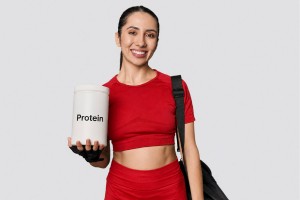
Protein is a concentrated protein powder containing a complete set of amino acids necessary for the growth, development, and functioning of the body. The raw materials for protein include whey, casein, eggs, beef, rice, peas, and soy. Each type of protein has its own advantages and disadvantages, so you should consult a dietitian or nutritionist before starting to use it.
Whey protein is considered an effective and fast-acting protein—it is quickly absorbed by the body, provides the necessary amount of protein without excess calories, and promotes muscle growth and fat burning. It is typically available in three forms: concentrate (WPC), isolate (WPI), and hydroisolate (WPH).
Ultra-Pro Cherry-Flavored Protein from Vansiton is a combination of whey concentrate and isolate with a fast-acting formula and reduced carbohydrate content. It has a thick consistency and a distinct milky flavor even when mixed with water. It promotes muscle growth and helps control protein intake. Whey protein concentrates contain large amounts of growth factors, such as IGF-1, TGF-1, and TGF-2, immunoglobulin, and lactoferrin.

Protein Extra with chocolate flavor contains a blend of fast-acting and sustained-release proteins. The amino acids in its formula are rapidly absorbed into the bloodstream and stimulate protein synthesis. Protein Extra promotes muscle mass growth, reduces cravings for snacks, and has a long-lasting effect.
Directions:
Mix 1 scoop (30 g) with 200 ml of liquid (water, skim milk). Take 2–3 times a day between main meals, including once 15–20 minutes after finishing a workout.

Fat Burners
Fat burners are dietary supplements designed to break down excess fat and promote weight loss. Fat burners speed up metabolism, stimulate the oxidation of excess fat deposits, and suppress appetite.
Depending on their composition and mechanism of action, there are two types of fat burners:
Thermogenics, in which some ingredients promote the oxidation of fatty acids by raising body temperature, while others simultaneously speed up metabolism, reduce appetite, and stimulate the central nervous system. This type of fat burner contains caffeine, choline, guarana, hydroxymolecular acid, and various herbal supplements.
Lipotropic agents activate fat-burning enzymes, regulate fat metabolism in cells, and support liver function. These fat burners contain L-carnitine, lecithin, inositol, methionine, and chromium. Lipotropic agents do not cause an increase in blood pressure or body temperature.
Regardless of the type, fat burners are effective only when combined with a sensible, balanced diet and regular physical activity.
It is recommended to take fat burners 30 minutes before a workout or two hours beforehand if the workout is in the evening. Fat burners can be combined with any other type of sports nutrition; additionally, you should take protein or amino acids.
W8 Body Control Weight Management Fat Burner in capsules from Vansiton — a comprehensive thermogenic supplement that converts fat into energy, boosts metabolism, reduces appetite, and provides energy. It combines 8 ingredients with different mechanisms of action that promote weight loss: garcinia, guarana, caffeine, choline, green tea extract, green coffee extract, synephrine, and bioperine.
Directions:
Take 1 capsule twice daily: in the morning and 30 minutes before a workout, with a meal. This product contains caffeine. Do not exceed the recommended daily dose. Do not take after 5:00 p.m. Consult a doctor before use.

Vansiton Fat Burner HCA + Chitosan Capsules is a highly effective, comprehensive lipotropic supplement that accelerates the breakdown of fat tissue, suppresses appetite, and blocks the conversion of carbohydrates into fat. Hydroxycitric acid (HCA) stimulates the breakdown of fat tissue and the release of energy, accelerates metabolic processes, and reduces leptin levels—a substance that triggers hunger—while promoting serotonin production, accelerating fat oxidation, and glycogen synthesis, which leads to rapid satiety. The formula also contains chitosan, chromium picolinate, and vitamin C.
Directions:
Take 2–3 capsules 20–30 minutes before each meal with a glass of water (200 mL). Allow at least 2 hours between taking this product and other sports nutrition products.

Synephrine (bitter orange extract) is a highly effective dietary supplement that promotes weight loss. The basic mechanism of action of synephrine lies in its ability to affect receptors and trigger a “sensation of cold” in the body . In response, the body begins to produce more heat by burning fat to release additional energy.
How to use:
Take 1 capsule twice a day: in the morning and 30 minutes before a workout, with a meal.
Contraindications include: sensitivity to the product’s ingredients, pregnancy and lactation, cardiovascular diseases, hypertension, glaucoma, epilepsy, and sleep disorders.

Vitamins and Minerals
Vitamins and minerals are essential for metabolic processes, energy production, supporting enzyme-mediated reactions, maintaining the proper functioning of all organs and body systems, and sustaining a stable emotional and mental state. Vitamin and mineral complexes help replenish deficiencies in nutrients that the body cannot obtain from food.
The DAILY PRO Vansiton vitamin complex contains vitamins, amino acids, minerals, plant extracts, enzymes, and other beneficial substances, selected to ensure maximum synergy among them. The complex’s components improve digestive system and liver function, maintain water-salt balance, accelerate metabolism, enhance cardiovascular function, promote muscle strength and growth, and strengthen bones.
The complex is designed for anyone who leads an active lifestyle, engages in intense physical activity, or requires a large amount of energy for sports training.
Directions:
Take the contents of 1 sachet (tablets and capsules) once daily after a meal. Do not exceed the recommended daily dose.

Amino Acids
The most common sports amino acid is BCAA (branched-chain amino acids), which consists of three protein components: valine, leucine, and isoleucine, which work well together, complementing and enhancing each other’s effects.
BCAA components stimulate the production of the hormone leptin, which regulates fat metabolism which is responsible for appetite and the feeling of fullness. Low leptin levels increase appetite, and metabolism slows down to preserve fat reserves. The intake of high-calorie food in the form of amino acids causes the body to speed up its metabolism and burn fat without worrying about reserves.
The amino acid complex The BCAA complex in Vansiton capsules contains essential protein components with added L-glutamine and vitamin B6. It is an excellent source of energy, speeds up metabolism, provides endurance, high performance, and energy during workouts, and promotes muscle recovery after physical exertion.
Directions:
Take 6–10 capsules 30–40 minutes before the start of your workout and immediately after finishing, with water or non-acidic juice. Do not exceed the recommended daily dose and do not take before bedtime.

Drink shots are another way to quickly increase the concentration of amino acids in the blood and accelerate protein metabolism. One 80-ml shot 30 minutes before a workout boosts endurance and improves performance, and after a workout, it promotes rapid recovery.
Directions:
Take one 80-ml serving 30 minutes before your workout and one serving immediately after you finish. Do not exceed the recommended daily dose. Do not consume before bedtime.

L-Carnitine is a sports dietary supplement for safe weight loss. L-Carnitine activates fat metabolism by accelerating the delivery of lipids to cells, but it does not burn them. It prevents muscle catabolism by reducing the body’s consumption of glycogen for energy. L-Carnitine is effective during intense physical activity, especially aerobic exercise—such as running, swimming, cycling—as well as when following a low-carb diet.
The optimal amount of L-carnitine for weight loss is considered to be a daily dose of 2,000 mg.
How to take it:
Take 4 capsules 30–40 minutes before your workout and 2 capsules in the morning on an empty stomach. Do not exceed the recommended daily dose.

The Importance of a Personalized Approach to Weight Loss
Many diets that promise to help you lose several dozen kilograms in a short period of time can cause irreparable harm to your health. Promises to lose “7 kilograms in seven days” without proper preparation can land you in a hospital bed.
Every human body is unique: differences in metabolism, physical activity, dietary preferences, and psychological factors require a personalized strategy for weight loss. The importance of this approach lies in the fact that factors such as age, gender, genetics, physical activity, and lifestyle all influence the speed and effectiveness of weight loss.
Diets that work for one person may be ineffective for another. You should also consider any allergies or chronic conditions that prevent you from eating certain foods.
Physical activity should also be approached on an individual basis: strength training may be better suited for some, while others may benefit more from cardio.
A personalized plan takes into account individual goals, health status, and lifestyle, which helps maintain motivation and improve results. It’s important not only to lose weight but also to develop lasting habits that will help maintain the results achieved. In this way, a personalized approach becomes the foundation for a healthy and balanced life.
Losing weight quickly without harming your health is possible, but it requires caution and a mindful approach. It’s best to work toward your goal step by step, gradually maintaining a steady pace without putting your body at risk.
What to Do to Prevent Weight Gain
To prevent weight gain, there are a few simple things you should turn into daily habits.
Stick to healthy eating habits even after losing weight. Avoid unhealthy foods and choose healthy meals instead. Plan your meals and don’t skip breakfast. A healthy breakfast helps prevent hunger pangs and the temptation to eat something sweet in the morning.
Lead an active, physically active lifestyle. Try to set aside time for exercise—60 minutes of moderate-intensity physical activity is plenty. You can go to the gym or work out at home, go for a run, or simply take a walk in the park. There are many ways to stay physically active—the choice is yours.
Monitor your weight. You can keep a food and exercise diary or simply take notes in whatever way is convenient for you. This will help you track changes and trends and understand what you can correct or improve, and how.