What Makes Belly Fat Unique?
Belly fat is a type of adipose tissue located around the internal organs in the abdominal cavity. This type of adipose tissue is called visceral fat or internal organ fat. The distinctive feature of visceral fat is that it is more metabolically active than subcutaneous fat. Visceral fat releases more hormones and other biologically active substances that can affect metabolism and overall health.
Men are more prone to accumulating fat in the abdominal area. An increased amount of visceral fat can raise the risk of developing metabolic disorders. Metabolism is disrupted, which can lead to various diseases, such as diabetes, high blood pressure, and heart disease. Fat accumulation in the abdominal area may be associated with reduced levels of the hormone leptin, which regulates appetite and metabolism.
Visceral fat can worsen insulin resistance, leading to high blood sugar levels and the development of diabetes. Reducing visceral fat can be achieved by cutting back on calorie intake and increasing physical activity. There are various methods for measuring visceral fat in the body, such as measuring waist circumference or using ultrasound or computed tomography. You can learn more about measuring body fat percentage here → Body Fat Percentage: What Is It and How Is It Measured?
Finally, it’s important to note that not all abdominal fat is visceral fat. For example, subcutaneous fat can accumulate in the abdominal area, but it doesn’t have the same high metabolic activity as visceral fat.

Is spot reduction possible?
No, spot reduction is not a possible process. When we talk about fat burning, we mean the process of breaking down fat stores in the body, which are then used as a source of energy. However, the body cannot choose which specific area of the body it will use as an energy source.
When we exercise specific muscle groups, this can lead to an increase in muscle mass and improved muscle tone. However, this does not mean that fat is being burned in that specific area. Fat stores are used as an energy source for the entire body, and the choice of which fat stores are used first depends on a number of factors, such as genetics, gender, age, overall activity level, etc.
Therefore, to achieve the desired results in weight loss and fat burning, it is necessary to take a comprehensive approach that includes moderate aerobic exercise, strength training, proper nutrition, and adherence to the general principles of a healthy lifestyle.
4 Effective Steps to Lose Belly Fat
Losing belly fat is a long-term process that requires a combination of proper nutrition, moderate physical activity, and adherence to the general principles of a healthy lifestyle.
Exercise and Physical Activity
Regularly performing moderate aerobic exercises (such as running, swimming, or cycling) and strength training can help you burn belly fat. Try to exercise at least 3–4 times a week for 30–60 minutes.
Exercise helps you lose belly fat by speeding up your metabolism and increasing the number of calories you burn. In addition, it helps strengthen your abdominal muscles, which contributes to a more toned and firm-looking stomach.
Here are a few exercises that can help you fight belly fat:
- Plank. The best core exercise, which helps strengthen all the core muscles and stabilize the body. Doing a plank requires strength and endurance, but it can lead to excellent results.
- Crunches. An effective exercise for strengthening the abdominal muscles. It can be performed in various ways, including on the floor, on an ab machine, or on a special exercise ball.
- Side planks. They help strengthen the oblique muscles and provide additional support for the back and waist.
- Running. It is one of the most effective exercises for losing belly fat and fat throughout the entire body. It helps speed up your metabolism and burn a large number of calories.
- Cardio workouts. Activities such as walking, cycling, swimming, and dancing can also help reduce belly fat and improve overall fitness.
It’s important to remember that to achieve the desired results, you need to work all muscle groups. Exercises designed to reduce body fat throughout the entire body will help effectively strengthen your muscles and improve your body’s appearance.

Think about nutrition, not dieting
Try to eat foods rich in protein and fiber. Reduce your intake of simple carbohydrates and fats. Increase your intake of vegetables, fruits, and leafy greens, as they contain essential vitamins and minerals that help you stay healthy and maintain a normal metabolism.
Here are some healthy eating tips to help you lose belly fat:
- Reduce your calorie intake. You need to consume fewer calories than you burn. To reduce your calorie intake, cut back on portion sizes, choose lower-calorie foods, and avoid overeating.
- Increase your intake of protein-rich foods. Protein helps preserve muscle mass, which is important for weight loss. High-protein foods are very filling and keep you feeling full longer. Include protein-rich foods such as chicken, fish, eggs, legumes, and nuts in your diet.
- Avoid fast-acting carbohydrates and foods high in sugar. Fast carbs can cause a sharp spike in blood sugar levels and trigger hunger, leading to overeating. Avoid foods such as sweets, white bread, pastries, and fast food.
- Increase your intake of vegetables and fruits. Fruits and vegetables are sources of vitamins, minerals, and other nutrients that support a healthy lifestyle. They are also low in calories and help you feel full longer.
- Increase your water intake. Water helps boost your metabolism and reduce hunger. It also helps keep your body hydrated and improves metabolism.
- Include healthy fats in your diet. Healthy fats, such as omega-3 fatty acids, help reduce inflammation and support heart health. They also help reduce belly fat. Include foods such as salmon, avocados, nuts, and olive oil in your diet.
- Eat more frequently, but in smaller portions. Frequent, small meals improve metabolism and reduce abdominal fat. Eating smaller portions more frequently allows you to get the necessary nutrients, stay full longer, and avoid overeating.
- Avoid alcohol. Alcohol is high in calories and sugar and can contribute to fat accumulation in the body, including around the abdomen. Try to limit your alcohol intake or cut it out entirely.
Healthy weight loss depends on proper nutrition, not dieting. Proper nutrition is not a temporary measure aimed at rapid weight loss, but rather a healthy and sustainable lifestyle. Unlike diets, which typically restrict certain food groups or calorie intake, proper nutrition is not a strict restriction but rather a healthy and balanced diet.
One of the main problems with diets is that they often restrict calorie intake to very low levels, which can lead to feelings of hunger and a lack of energy. This can also result in a deficiency of important nutrients—such as proteins, fats, carbohydrates, vitamins, and minerals—that the body needs to function properly.

Sleep
High-quality, healthy sleep has a positive effect on weight loss. Insufficient sleep can lower levels of hormones that regulate appetite and metabolism, such as leptin and ghrelin. Low leptin levels can lead to increased appetite, while high ghrelin levels can increase the desire to consume high-calorie foods.
In addition, chronic sleep deprivation can lead to stress, which can increase levels of cortisol, a hormone associated with fat accumulation in the body, including the abdominal area. Sleep also plays an important role in regulating blood sugar and managing metabolism.
To get the most benefit from sleep, aim to sleep 7 to 9 hours a day in a quiet, cool, and comfortable environment. It is also recommended to avoid eating and consuming caffeine before bed, as well as to turn off all electronic devices and dim the lights in your room before going to sleep.
Managing Stress
Stress is one of the causes of cortisol production, a hormone that can increase fat accumulation specifically in the abdominal area.
In addition, stress can lead to changes in eating behavior, which can trigger increased consumption of foods high in calories and fat.
However, it should be noted that the link between stress and abdominal fat accumulation is not the only cause. In any case, it’s important to manage stress; here are a few tips on how to do so:
- Regular physical exercise, such as running, yoga, swimming, or dancing, can reduce stress levels and improve your mood.
- Meditation and deep breathing help you relax and reduce stress levels.
- Quality rest and sleep can also help combat stress and improve your overall well-being.
- Building a support network—including spending time with friends and family and seeking professional help—can also help you cope with stress.
- Eating more fruits, vegetables, healthy fats, and proteins, while limiting alcohol and coffee intake, can help combat stress and lower cortisol levels.
When stress levels decrease, this also helps reduce fat accumulation in the abdominal area. However, it should be noted that some people may be more prone to abdominal fat accumulation, even with minimal stress. Therefore, in addition to managing stress, it is also important to maintain a healthy lifestyle, including proper nutrition and regular physical activity.

Common Mistakes
You’re doing the wrong workouts
Classic “ab” exercises, such as crunches, won’t be effective. Your workouts should be comprehensive, targeting all parts of the body, not just the abdominal area.
High-intensity interval training (HIIT) is effective for losing belly fat. High-intensity interval training (HIIT) consists of sets of intense exercises followed by rest periods. HIIT can include various types of strength and aerobic exercises, such as squats, burpees, treadmill running, deadlifts, bench presses, and pull-ups. This will help you burn calories and increase your heart rate.
You’re not getting enough protein
Protein is an important component in burning fat and building muscle. Protein is also a source of energy that prolongs the feeling of fullness and reduces the urge to snack.
Food sources include: chicken breast, turkey, tuna, eggs, Greek yogurt, milk, tofu, and chickpeas.
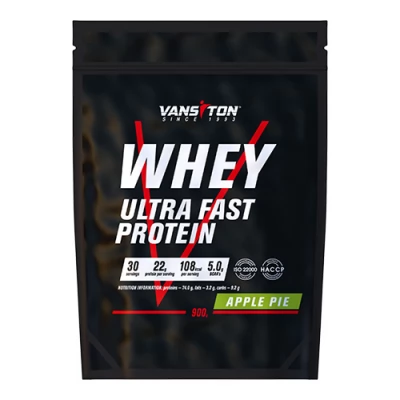
You can also meet your protein needs by taking sports nutrition supplements—protein shakes. Protein shakes are easy to make, and the variety of flavors helps make protein intake not only healthy but also delicious.

Are you expecting quick results?
Losing belly fat is a long process because, when we change our lifestyle, we adopt new habits that our brain needs time to get used to. You need to follow all the rules for at least 8 weeks before you’ll start seeing the first results.
Any progress takes time. Experts also recommend not focusing solely on perfect abs, but rather on strengthening your core.
Your hormones are out of balance
Hormones play a key role in the distribution of body fat. A decrease in estrogen levels in women and testosterone levels in men, especially with age, can cause a redistribution of fat in the body.
In addition, certain hormonal imbalances can increase the risk of insulin resistance, which can lead to an increase in fat cell production. If your diet includes foods high in refined carbohydrates, sugar, and alcohol, this can raise insulin levels, which promotes fat storage, increases the risk of fatty liver disease, and leads to significant weight gain.