
Reasons for Giving Up Sugar
One of the main reasons is to maintain good health. Sugar causes fluctuations in energy levels and blood glucose, which can lead to fatigue, lethargy, loss of concentration, and mood swings after consuming large amounts of sugar. Sugar is high in calories but low in satiety, which means it can contribute to overeating and lead to weight gain.
The Harmful Effects of Sugar on the Body
Consuming large amounts of sugar increases the risk of developing conditions such as obesity, type 2 diabetes, cardiovascular disease, and tooth decay.
- Type 2 diabetes. Sugar contributes to insulin resistance—a condition in which cells lose the ability to effectively use insulin to regulate blood sugar levels.
- Cardiovascular diseases. Sugar in large quantities can increase the risk of developing cardiovascular diseases, such as heart attacks and strokes. Excessive sugar intake can cause inflammation and worsen blood lipid profiles, which can lead to the formation of fatty deposits in blood vessels.
- Tooth decay and other dental problems. Bacteria in the mouth feed on sugar and produce acid, which can lead to the destruction of tooth enamel and the development of tooth decay. High sugar intake is also associated with an increased risk of periodontal disease and other dental and gum problems.

The link between sugar and various diseases
Sugar is high in calories but low in beneficial nutrients. High sugar intake can contribute to weight gain and the development of obesity.
Sugar consumption does not directly lead to the development of type 2 diabetes, but excessive consumption is linked to insulin resistance—a condition in which cells lose the ability to use insulin effectively. This raises blood glucose levels, which can trigger the development of diabetes.
Excessive sugar in the diet, especially fructose, contributes to the formation of fatty deposits in blood vessels, which impairs blood flow and clogs the vessels.
Excessive sugar consumption can trigger inflammatory processes, which may be linked to chronic inflammation and the development of various diseases, including cardiovascular disease, diabetes, cancer, and other conditions.
It is important to note that sugar itself carries risks, but high consumption and excessive amounts can contribute to the development of these diseases. Moderation and balance are key to healthy sugar consumption.
The Effect of Sugar on Weight
Sugar is high in calories but low in beneficial nutrients. High sugar intake, especially from foods and beverages, can lead to an excess calorie intake and contribute to weight gain.
Simple sugars rapidly raise blood glucose levels, which can trigger the release of insulin, a hormone that regulates blood sugar levels. Insulin helps the body store energy, and excess energy can be stored as fat.
Excessive sugar consumption can lead to hormonal imbalances and increased appetite, which can result in increased food intake and weight gain.
It is important to note that a person’s weight depends on many factors, and excessive sugar consumption is not the only determining factor. It is important to maintain a balanced diet and a healthy lifestyle, including regular physical activity, to maintain a healthy weight.
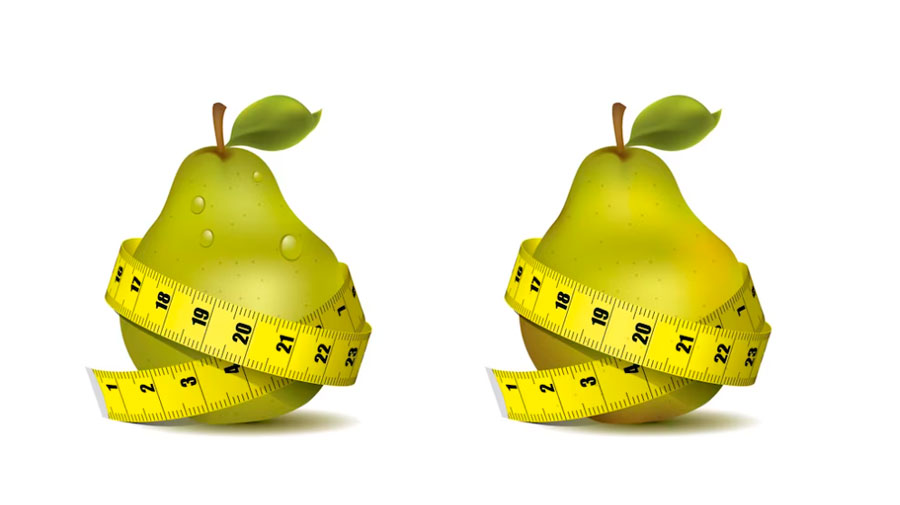
Potential Changes When Cutting Out Sugar
Cutting out sugar or reducing its consumption can have several positive health effects:
- Weight control. Sugar is high in calories but low in beneficial nutrients. Cutting out sugar or limiting its intake can help control calorie intake and prevent excessive weight gain or aid in weight loss.
- Blood sugar control. High sugar intake can contribute to insulin resistance and the development of type 2 diabetes. Cutting out or reducing sugar can help maintain stable blood sugar levels and lower the risk of developing diabetes.
- Heart health.High sugar intake is associated with an increased risk of cardiovascular disease. Cutting out or limiting sugar may help reduce inflammation and oxidative stress and lessen the negative impact on the cardiovascular system.
- Skin health. Excessive sugar consumption may contribute to skin problems such as acne and rashes. Cutting out or reducing sugar can improve skin condition and lower the risk of such problems.
- Energy and mood. Sugar can cause sharp fluctuations in blood glucose levels, which may lead to irritability and mood swings. Cutting out or reducing sugar can help maintain stable energy levels and improve your mood.
It’s important to remember that everyone has their own individual needs and reactions to sugar. Moderate sugar consumption and a balanced diet are the keys to a healthy life.

Improving Energy and Blood Sugar Levels
Sugar can disrupt blood glucose balance, leading to a loss of energy and feelings of fatigue. Cutting out sugar or significantly reducing sugar intake helps maintain more stable blood glucose levels throughout the day, preventing sharp fluctuations in energy.
Cutting out sugar often involves mindful eating and adopting healthier eating habits. Replacing sugar with natural, unprocessed foods, such as fresh fruits, vegetables, and whole grains, can provide more nutrients and sustained energy. Also, spreading meals out into several small portions throughout the day helps maintain a stable energy level.
Sugar affects the levels of inflammatory mediators, such as cytokines and prostaglandins. Cutting out or reducing sugar can help lower inflammation in the body, which may improve overall energy and well-being.
Increased physical and mental endurance
Cutting out sugar helps the body switch to using fats as its primary energy source. When the body receives large amounts of sugar on a regular basis, it uses sugar as its primary energy source. When sugar intake is low, the body switches to burning fat, which can help increase physical endurance, especially during prolonged physical activity.
Cutting out sugar helps avoid sharp fluctuations in blood glucose levels, which can contribute to more stable energy levels throughout the day and increase motivation for physical activity and improved mental endurance.
Eliminating sugar from your diet has a positive impact on healthy eating habits. Instead of high-calorie, unhealthy foods that are high in sugar, people can start consuming more fresh vegetables, fruits, whole grains, and protein-rich foods. This will help provide the necessary nutrients for optimal physical activity, improve overall health, and increase physical and mental stamina.
Appetite control. Sugar can affect appetite and trigger cravings for sweets and high-calorie foods. Cutting out sugar can help reduce the intensity of these cravings and improve appetite control. This will help limit snacking between meals, which can contribute to increased physical activity.
Changes in Taste Preferences and Appetite
Frequent sugar consumption can maintain a craving for sweet tastes. When you reduce or eliminate your sugar intake, your taste buds may adapt, and your craving for sweet foods decreases.
Cutting out sugar can change your perception of taste. As you reduce your sugar intake, foods that previously seemed not sweet enough may begin to taste naturally sweet to you. Your taste buds may become more sensitive to other flavors, such as bitter or sour, which can broaden your taste preferences and lead to a more varied diet.
Cutting out sugar or reducing your sugar intake can contribute to more stable appetite regulation, helping you better recognize hunger and fullness cues and avoid overeating.
It’s important to note that the response to cutting out sugar can vary from person to person, and everyone may experience changes in taste preferences and appetite differently.
How to Safely Give Up Sugar
Gradually Reducing Sugar Intake
Gradually reducing your sugar intake can be a helpful approach, as it helps reduce sugar dependence and makes it easier to adapt to a new eating pattern. Here are a few guidelines you can use to gradually reduce your sugar intake.
- Gradually reduce the amount of sugar you add to your food or drinks. For example, if you usually add two spoons of sugar to your tea, try reducing it to one spoon, and then to one and a half or one. This allows your taste buds to gradually get used to a less sweet taste.
- Replace sugar with natural alternatives. Instead of sugar, you can use natural alternatives such as honey, stevia, or other natural sweet ingredients. These alternatives may be lower in calories or have less of an impact on blood sugar levels, but be sure to familiarize yourself thoroughly with their properties and usage.
- Eliminate high-sugar foods from your diet. Cut out foods that contain large amounts of sugar, such as soda, candy, sweet snacks, and store-bought sauces.
- Focus on natural sweetness. Try enhancing your taste experience with naturally sweet foods, such as fresh fruit. They contain natural sugars and nutrients that are beneficial to the body.
- Gradually reduce your consumption of sweets. If you’re used to eating sweets every day, try gradually reducing both the amount and frequency. For example, instead of a daily dessert, have something sweet only 2–3 times a week.
- Choose healthy alternatives. Instead of sugary drinks or sweets, try choosing healthier alternatives, such as water with citrus fruits or freshly squeezed juices, fresh berries, nuts, or seeds.
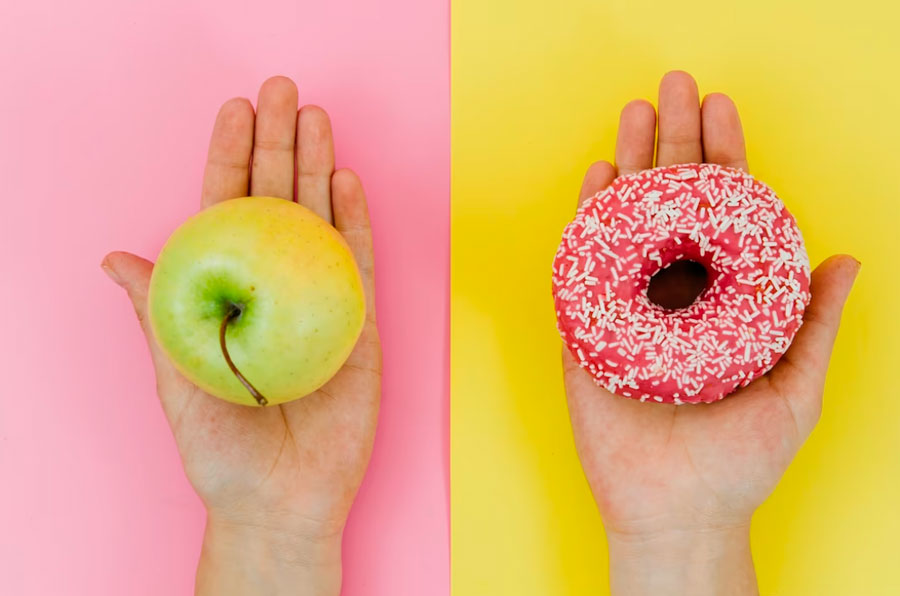
Replacing sugar with natural sweets
Replacing sugar with natural sweets can be a helpful strategy for reducing sugar intake and improving overall nutrition.
- Fresh or dried fruits can be a great alternative to sugary treats. They contain natural sugars, but they also provide nutrients, fiber, and antioxidants. Add fruits such as apples, pears, berries, or kiwis to your breakfast, salads, or use them to make smoothies.
- Honey is a natural sweetener that can be used as a substitute for sugar in many recipes. It has a pleasant taste and contains beneficial antioxidants. Add honey to tea, yogurt, or oatmeal, or use it as a sweet topping for baked goods and desserts. Keep in mind that honey does contain sugar and calories, and it can be an allergen for some people, so use it with caution.
- Stevia is a natural, calorie-free plant extract that has minimal impact on blood sugar levels. It is available in the form of stevioside or as a sweetener in ready-made products such as sweetened beverages, yogurts, or low-sugar treats. Use stevia as a sugar substitute in your recipes or add it to beverages.
- Certain spices, such as cinnamon, vanilla, cardamom, or almond extract, can add a natural sweetness to foods and beverages without adding sugar. Try adding these spices to your coffee, tea, oatmeal, or baked goods to enhance the flavor without using sugar.
Possible Side Effects of Giving Up Sugar
Giving up sugar can have certain side effects, especially in the early stages, since the body is accustomed to regular sugar consumption.
Temporary Energy Dip and Withdrawal Symptoms
If you’ve been consuming sugar daily and suddenly cut it out of your diet, you may experience withdrawal symptoms similar to those of quitting smoking or alcohol. Low mood, irritability, fatigue, headaches, and difficulty concentrating—all of these may occur for a while until your body adjusts to the new diet.
In the early stages of giving up sugar, you may experience a lack of energy, rapid fatigue, and weakness. However, over time, your body will adapt to the new diet, and your energy balance will be restored.
Discomfort and mood swings
Cravings for sweets. Giving up sugar can trigger cravings for sweet foods, especially at first. This can be a challenge for some people, as sugar has an appealing taste. However, over time, sugar cravings may diminish, and you may discover new flavors and enjoy other foods.
Giving up sugar can lead to changes in taste preferences. By gradually reducing your sugar intake, you may become more sensitive to natural sweetness, such as that found in fruits. However, this varies from person to person.
These side effects are usually temporary and subside over time. It’s important to be patient and give your body time to adapt to the new diet.
Conclusions: What to Expect When Giving Up Sugar
When giving up sugar, you may notice the following changes:
- Reduced cravings for sweets. Over time, you may notice that your craving for sweets decreases as your body adjusts to lower sugar intake.
- Changes in taste preferences. Your taste buds may change, and you may become less drawn to sweet flavors. You may begin to enjoy natural sweets, such as fruits, more.
- Improved energy levels. After an adjustment period, you may notice that your energy levels become more stable throughout the day. Cutting out sugar can help you avoid energy fluctuations caused by rapid spikes and drops in blood glucose levels.
- Weight loss. Sugar consumption is linked to excess calories and weight gain. Cutting out sugar and eating a healthy diet can help you lose weight or maintain a healthy weight.
- Improved overall health. Cutting out sugar can have a positive impact on your overall health. This may include a reduced risk of developing conditions such as obesity, type 2 diabetes, cardiovascular disease, and others.
It’s worth noting that the response to cutting out sugar can vary from person to person. Everyone may experience these changes to a different degree and at different times. It’s important to listen to your body, be patient, and maintain a balanced approach to nutrition and a healthy lifestyle.