What is L-carnitine

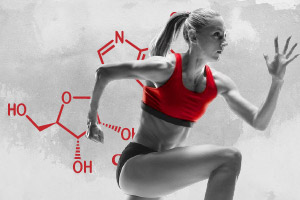
L-carnitine (Carnitine, l-carnitine) – is an amino acid that is synthesized in the human body and is important for energy production.
L-carnitine is a derivative of gamma-aminobutyric acid and is similar in structure to B vitamins, which is why it is also called levocarnitine or vitamin B11.
The main function of L-carnitine – is the transport of free chains of fatty acids into the mitochondria of cells, where they oxidize, releasing a large amount of energy. By burning fats, cell mitochondria work as a source of energy for the entire body, maintaining vital activity, performance and endurance.
Most L-carnitine is concentrated in skeletal muscles, slightly less – in the kidneys, liver and blood.
How carnitine is produced in the body
L-carnitine is synthesized in the body from the amino acids lysine and methionine. Synthesis occurs mainly in the liver and kidneys.
Under the influence of methylating enzymes, lysine is converted into N-methyl-lysine, and then into γ-butyrobetaine, which is an intermediate in the synthesis of carnitine. The final step is the oxidation of γ-butyrobetaine to form carnitine. After synthesis, L-carnitine enters the blood and is carried into various tissues of the body.
The accumulation of L-carnitine occurs:
- in the cardiac and skeletal muscles, where it performs its function of transporting fatty acids into mitochondria for conversion into energy;
- in adipose tissue where it promotes the use of fat reserves as an energy source;
- in the brain, where it affects the metabolism of neurons and supports their energy needs;
- to the kidneys, where part of L-carnitine is converted into other metabolites and excreted from the body.
This distribution system of L-carnitine allows you to provide energy to cells maintain normal metabolism and physiological processes in the body.
For the synthesis of L-carnitine in the body, the following are necessary:
- amino acids: lysine and methionine;
- iron;
- vitamins B3, B6, B12;
- ascorbic (vitamin C) and folic acid (vitamin B9).
The body is capable of producing 15-50% of the L-carnitine it needs, the rest should be obtained from food or nutritional supplements.

What foods contain L-carnitine?
The main source of amino acid – is animal products:
- meat: lamb, pork, beef, rabbit, poultry;
- fish and seafood;
- dairy products: milk, cottage cheese, yoghurts.
In food of plant origin, the content of L-carnitine is significantly less.
Speaks of L-carnitine

There are four types of L-carnitine. Their effect is generally the same, but each has its own characteristics.
L-carnitine is an effective means of energy support during excessive physical and mental stress, under stress and overexertion. It is useful for athletes and bodybuilders seeking to build muscle, for people who are trying to lose excess weight, for the prevention of carnitine deficiency in children and adults.
L-carnitine allows you to increase the body's adaptive capabilities and resistance to stress, improves mood and general well-being.
It has the ability to reduce blood cholesterol levels and is used to prevent cardiovascular diseases it has antioxidant and antiterroid effects, stimulates tissue regeneration.
L-carnitine L-tartate, containing 70% L-carnitine and 30% tartaric acid, is one of the most active forms of carnitine. As a component, it is present in sports nutrition, medications, dietary supplements, vitamin complexes.
It has high bioavailability and stability. It is absorbed very quickly. Used as part of medicines to treat conditions associated with L-carnitine deficiency, useful in the treatment of diseases of the cardiovascular system and metabolic disorders.
In sports nutrition, it helps to actively burn fat mass, control weight, increases endurance and accelerates recovery after training.
Among the advantages of this form of L-carnitine are:
- facilitating the transport of fatty acids into mitochondria and promoting their breakdown for energy generation;
- increasing endurance and productivity, optimizing energy use during physical activity and delaying the onset of fatigue;
- preventing damage to muscle tissue during exercise;
- anti-inflammatory properties which help muscle repair and reduce oxidative stress.
Acetyl-L-carnitine (ALCAR) – is an acetylated form of an amino acid (HCL), with high bioavailability of L-carnitine. Found in high concentrations in the cells of the brain, heart, nerves, liver and sperm.
A feature of this type of L-carnitine is its ability to penetrate the blood-brain barrier and be absorbed by nerve cells, which is important for maintaining brain energy, central nervous system, cognitive functions and memory. This feature of Acetyl-L-carnitine is widely used in anti-aging supplements to maintain and improve cognitive function and the functioning of the central nervous system.
Among the beneficial properties of this type of amino acid are:
- maintaining brain activity;
- improving memory;
- improving skin condition;
- ability to reduce cholesterol levels and slow down the formation of atherosclerotic plaques in blood vessels;
- maintaining vision and eye health, preventing the development of degenerative changes in the retina;
- ensuring active energy exchange and preventing the occurrence of fatigue and overtraining;
- improving mental activity and ability to work;
- slowing down the aging process.
Propionyl-L-carnitine (PLC) – is a form of L-carnitine that is useful for maintaining the functioning of the cardiovascular system and circulatory system. It is used to treat diseases of the cardiovascular system, peripheral vessels, high blood pressure, myocardial problems, pre-infarction and heart attack. Has the ability to increase the production of nitric oxide, which improves blood circulation.
Most people perceive the forms acetyl-L-carnitine and L-carnitine well, but here everyone chooses individually, depending on the goals, need and desired result.
What is L-carnitine for and what are its properties

L-carnitine is needed in the body to metabolize fatty acids and generate energy to support the activity and vital functions of the body. Its main function is – transportation of fatty acids into cellular mitochondria, where acetyl coenzyme-A is synthesized.
Its functions:
- stimulation of fatty acid oxidation and formation of ATP – the main source of cellular energy;
- synthesis of choline, which is the precursor of acetylcholine – neurotransmitter, transmitting nerve impulses to the central nervous system via parasympathetic and motor nerves;
- synthesis of glucose from non-carbohydrate compounds for the normal functioning of internal organs, nerve tissues and red blood cells during heavy physical activity or fasting;
- formation of ketone bodies, which are a source of energy for the brain, kidneys and muscles, as well as regulation of the release of fatty acids from fat reserves.
The main properties of L-carnitine:
- improving fat metabolism, extracting and burning fats from reserves and muscle tissues;
- reducing triglycerides and cholesterol in the blood;
- maintaining glycogen levels and economical consumption;
- supporting heart and vascular health;
- improved blood circulation;
- accelerated regeneration of the gastrointestinal mucosa and accelerated synthesis of digestive enzymes in diseases of gastritis, ulcers, pancreatitis;
- support for brain function, improved memory and concentration;
- protection of the retina from dystrophy and slowdown in the development of cataracts;
- slowing down the processes of natural death of protein cells and premature aging;
- normalization of the basal metabolism in thyrotoxicosis – excess thyroid hormones;
- reducing the level of oxidative stress and increasing resistance to toxic metabolic products;
- protecting nerve tissues from damage, restoring their structure and accelerating growth;
- increasing the strength and mass of skeletal muscles;
- detoxification of the body and removal of biogenic waste products from mitochondria;
- accelerating the regeneration of tissues and muscle fibers;
- increasing endurance and resistance to physical activity;
- accelerating the restoration of physical and mental performance;
- relief of manifestations of depressive conditions;
- inhibition of manifestations of dementia and neuropathic pain manifestations;
- support of the immune system;
- for men – maintenance of normal spermatogenesis and treatment of infertility;
- for women – regulation of sex hormone levels, normalization of the monthly cycle, reduction of pain, support in the treatment of gynecological problems (endometriosis, polycystic ovary disease).
Taking L-carnitine may be useful for:
- people seeking to reduce body weight or body fat percentage;
- anyone who exercises or has intense physical activity and wants to improve their results;
- people who have cardiovascular disease or want to maintain heart health;
- people who lack energy or are constantly tired;
- people who want to improve memory, attention, concentration and maintain brain health.
Role in fat metabolism
The process of fat oxidation begins with the breakdown of triglycerides stored in fat cells. During this process, fatty acids and glycerol are released into the blood, where the fatty acids are transported to cells for further use as an energy source. The role of L-carnitine in fat metabolism is its ability to combine with long-chain fatty acids and promote their penetration into mitochondria, where they are converted into energy. Without L-carnitine, fatty acids cannot be effectively transported to the mitochondria, which significantly slows down the process of energy formation from fats and affects the body's ability to use fats as an energy source.
Thus, L-carnitine is essential for maintaining a healthy metabolism, helping the body burn fats and maintain normal weight.
Transport of fatty acids to mitochondria
All energy required for the life of the body is produced in the mitochondria. Fatty acids circulating in the blood must get inside the cell, and from there to the mitochondria, where during the oxidation process they disintegrate and form ATP – the main source of energy.
But the problem is that fatty acids, due to their lipid nature cannot penetrate the mitochondrial membrane – they need special membrane transport for this. This is where L-carnitine appears. It binds to long chains of fatty acids, forming a complex that can pass through the mitochondrial membrane thanks to a special transport mechanism – the so-called carnitine system, and leads them to the mitochondria. After crossing «the border», the complex disintegrates and fatty acids move on to the beta oxidation process, as a result of which they are converted into acetyl-CoA, and then – through the Krebs cycle until ATP – the main source of energy for cells is formed.
After the reaction is completed, L-carnitine cleanses cells of residual metabolic products and biological «waste» and removes them from cells to prevent intracellular toxicity.
Improving mitochondrial function, L-carnitine stimulates the utilization of fatty acids and the production of necessary energy.
Insufficient amounts of L-carnitine significantly slows down the process of overcoming mitochondrial membranes, which leads to a decrease in energy, accumulation of fat deposits and slowing metabolism.
Use of fat as an energy source
Fat is the most important source of energy for the body, especially in conditions of prolonged physical activity and in situations where carbohydrate levels decrease. When metabolizing fat, the body can produce more energy per unit weight compared to carbohydrates, making it an effective «fuel» for muscle function.
When energy needs increase, the body activates the process of lipolysis – fat breakdown. Fatty acids enter the mitochondria of cells, where their oxidation occurs, and as a result, a large amount of ATP — the main source of energy for biochemical processes is released. Such a system is especially important during low-intensity long-term exercise or during rest, when glycogen reserves in the muscles and liver are already depleted.
Thus, fats provide not only a supply of energy, but also allow you to maintain stable blood glucose levels by reducing the need for constant carbohydrate intake.
L-carnitine plays a key role in this process because it is responsible for the transfer of long-chain fatty acids across the inner mitochondrial membrane, helps the body use fat as fuel more efficiently, especially in conditions of low carbohydrate availability, and maintains stable energy levels. This makes it an important component in the energy supply system, especially for athletes and people seeking to control body weight.
Improving endurance and physical performance
Fat burning and generating additional energy are necessary to maintain high activity, performance and endurance, especially during significant physical activity. L-carnitine promotes the efficient use of fats as an energy source and helps reduce the accumulation of lactic acid in muscles, which reduces fatigue and allows you to exercise longer, more intensely and more efficiently. Eating L-carnitine will be a useful addition to the diet for everyone who plays sports or has heavy physical activity.
L-carnitine supplements will be indispensable in cases where it is necessary to increase general and special endurance in aerobic sports: running, swimming, rowing. To provide the athlete’s body with the necessary energy for competitions or training and at the same time prevent weight loss, there are special high-fat diets combined with an increased dose of L-carnitine.
Support for cardiovascular health
L-carnitine helps reduce triglyceride levels in the blood, improves blood circulation, and also reduces the load on the heart.
Long-chain fatty acids, penetrating through the mitochondrial membranes of the heart muscle with subsequent oxidation, significantly increase its strength and endurance, since the heart muscle is 70% nourished by fatty acids.
L-carnitine helps reduce cholesterol levels in the body and slows down the formation of atherosclerotic plaques in the vessels. Thanks to L-carnitine supplements, it is possible to improve the condition of people suffering from heart failure, coronary heart disease and high blood pressure.
Recovery after physical activity
Due to the fact that L-carnitine plays an important role in the process of energy metabolism some research has been conducted on the ability of this amino acid to enhance the effectiveness of exercise and help speed up recovery.
The main reason for overtraining and overwork after physical activity – is a drop in the energy potential of the nerve centers that provide movement. L-carnitine promotes muscle recovery after exercise by stimulating blood circulation and oxygenation of muscle tissue, which improves cellular function. The energy created in the mitochondria supports regeneration processes in cells and helps preserve glycogen stores, which promotes rapid recovery.
Some studies prove that L-carnitine has antioxidant properties - it reduces the level of oxidative stress that occurs after exercise and can cause muscle damage.
L-carnitine for weight loss: does it work?

The ability of L-carnitine to accelerate fat metabolism makes it a popular sports nutrition supplement for anyone intending to lose weight.
Without increasing the rate of fat tissue breakdown, it increases the body's absorption of fat for energy purposes and as a result slows down the rate of synthesis of neutral fat molecules in the subcutaneous fat depot. With the start of carnitine intake, persistent loss of adipose tissue begins while simultaneously increasing the efficiency of fat oxidation in the body. The ability of carnitine to destroy adipose tissue is largely due to the presence of free highly mobile methyl (-CH) radicals in its molecule.
The advantage of L-carnitine is that it does not contain active stimulants and does not have an exciting effect on the central nervous system – its mild and safe effect is suitable for burning fats when losing weight for people seeking to lose weight without harm to health. However, it should be remembered that you can get results from using L-carnitine only by combining the fat-burning effect and long-term aerobic physical activity.
Losing weight with the help of L-carnitine is really possible, but in addition to taking the supplement, you should follow a few simple rules:
- follow a low-carb diet with increased protein and reduced calorie content;
- drink a sufficient amount of liquid;
- sleep at least 8 hours a day;
- combine supplementation with aerobic training and cardio exercise 2-3 times a week for 30-60 minutes.
Taking L-carnitine and BCAA at the same time will help you lose excess weight as quickly as possible. But the combination of carnitine with creatine will not change body weight – such supplements will burn fats, replacing muscle fat mass.
How to choose L-carnitine?
When choosing L-carnitine, you should consider several important points:
- decide what you need L-carnitine for: for weight loss, to increase energy before training, for prevention –the dosage and dosage regimen depend on this;
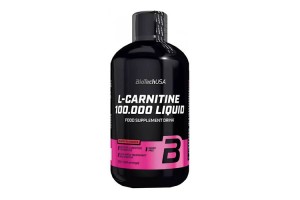
- choose the form of the additive: capsules, tablets, liquid or powder – choose the one that will be comfortable for daily use.
- choose products from a trusted manufacturer – this guarantees the quality of the additive and the absence of unnecessary impurities.
- carefully study the composition of the product on the manufacturer’s packaging. The presence of additional components such as maltodextrin, saccharin cyclamate or acesulfame potassium makes the supplement pleasant to the taste, but has a bad effect on the process of losing weight.
If you are a beginner, read reviews online or consult with those who have more experience. Sports nutrition manufacturers usually care about their reputation, so you can get advice before purchasing from them.
How to take l-carnitine
The standard dosage of L-carnitine per day is 500-2000 mg. A single dose is 500-750 mg in three doses, or 1000 mg in two doses.
L-carnitine should be taken in the morning on an empty stomach 30-60 minutes before meals.
For additional energy, you should take L-carnitine before training 30-60 minutes before it starts.
On days without exercise, L-carnitine should be taken in the morning on an empty stomach and in the afternoon before meals.
It is in the morning and during physical activity that L-carnitine has the greatest activity. The course of use ranges from two to four weeks, after which you should definitely take a break.
You should start taking L-carnitine only after consulting a doctor or nutritionist - he will explain when to take L-carnitine and how to take it correctly in order to get maximum benefit.
Choosing the release form
L-carnitine as an additive is available in tablet, capsule, powder and liquid form. The most convenient forms are tablets and capsules – they dissolve quickly and contain a minimum of additives.
L-carnitine in TM capsules Vansiton reduces the accumulation of fat in body tissues, provides muscles with energy, increases performance and endurance. The use of this drug prevents muscle catabolism by reducing glycogen consumption for the body's energy needs.
One capsule weighing 702 mg contains:
- L-carnitine tartrate 700.0 mg, incl. L-carnitine – 500 mg;
- Vitamin B-6 (pyridoxine hydrochloride) – 0.5 mg.
Method of use:
4-6 capsules 30-40 minutes before exercise and 2-3 capsules in the morning on an empty stomach. Do not exceed the recommended daily dose.

Liquid L-carnitine in the form of drinking shots TM Vansiton – a powerful complex of carnitine, caffeine, bioperine and synephrine that increases energy, improves metabolism and promotes weight loss.
Drinking L-carnitine promotes the conversion of fat into energy, caffeine provides increased energy and endurance, bioperine burns fat and enhances the bioavailability of other components synephrine stimulates metabolism and thermogenesis, and vitamin B6 supports the nervous system and reduces fatigue.
Method of use:
Drink one serving (80 ml) half an hour before exercise. Do not consume before bed.

Taking time: before or after exercise
Taking time for L-carnitine depends on the goal you are trying to achieve.
If you need to increase fat burning and increase energy and endurance during physical activity, it is recommended to take L-carnitine 30-60 minutes before exercise. This allows you to increase the level of amino acid in the blood and improve the transport of fatty acids into muscle cells, promoting energy production.
If the main goal is to improve recovery and reduce muscle fatigue, L-carnitine can be taken after exercise because it helps reduce muscle pain and oxidative stress.
Combination with other components
The addition of L-carnitine goes well with all types of fat burners, enhances their effect and reduces possible side effects. You can combine taking L-carnitine with proteins, gainers and other complexes.
The combination of L-carnitine and Coenzyme Q10 is effective - their effect enhances physical endurance, gives energy and reduces stress. In combination with physical activity, the dietary supplement promotes active metabolism of fats and reduces excess body weight.
The dietary supplement L-Carnitine tartate + Coenzyme Q-10 in capsules protects the heart during physical activity, supports the full functioning of the cardiovascular system, helps reduce excess weight and slows down the aging process of body cells.
Method of use:
Take 2-3 capsules 40 minutes before the start of training. On non-training days, take 2 capsules during breakfast.

Contraindications and possible side effects
L-carnitine is a safe additive whose benefits have been confirmed, and the harm and side effects are minor and extremely rare. For most people, taking a daily dose within 2 grams is quite safe and does not have negative consequences.
Possible reactions to L-carnitine.
With significantly exceeded doses of L-carnitine, the following side effects may be observed:
- digestive disorders: diarrhea, heartburn;
- nausea, vomiting;
- pains or cramps in the stomach and/or intestines;
- excessive appetite;
- muscular weakness;
- state of nervous agitation;
- problems with sleep;
- convulsions;
- allergic reactions: redness, skin rash, itching.
Among the general contraindications to taking L-carnitine, individual intolerance to the components of the supplement and rare hereditary pathology – trimethylaminuria (TMAU, «fish odor syndrome») should be highlighted.
Before using the supplement, be sure to consult your doctor especially if you have chronic diseases or use any other medications on an ongoing basis.
Who should avoid taking
Epileptics. Taking L-carnitine increases the risk of epileptic attacks in both those who have had them before and those who are healthy.
People with renal impairment. Significantly exceeding the maximum dose of L-carnitine can lead to impaired renal function.
Taking L-carnitine may also increase trimethylamine N-oxide (TMAO) levels. High levels of TMAO have been linked to an increased risk of developing atherosclerosis – a disease that causes clogged arteries.
With which you cannot take L-carnitine
You cannot combine L-carnitine with drugs that affect blood clotting (warfarin and acenocoumarol) and with effects on thyroid hormones. L-carnitine exacerbates the symptoms of hypothyroidism while increasing the effectiveness of blood thinners.
Take L-carnitine very carefully with any antidepressants or drugs intended for the treatment of anxiety disorders and depression (selective serotonin reuptake inhibitors). The combination of this supplement with certain medications can cause serotonin syndrome – a dangerous disease characterized by muscle twitching or stiffness, confusion, seizures, tachycardia, diarrhea and increased body temperature.