
What Is Cellular Nutrition?
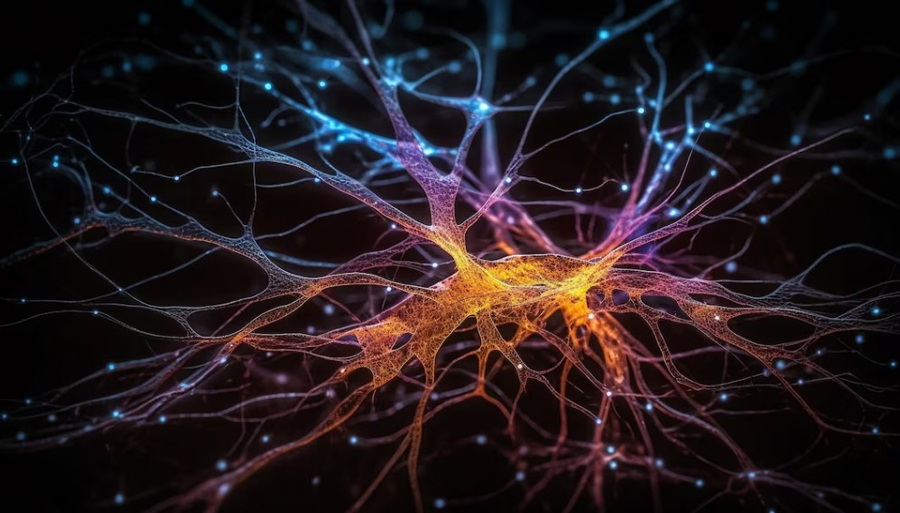
Modern foods are rich in preservatives and flavor enhancers and contain high amounts of salt, sugar, and food coloring. This places a heavy burden on the human body’s detoxification system; moreover, most of this food is unsuitable for our cells. It is therefore no surprise that the pharmaceutical industry’s profits are growing year after year.
Cellular nutrition involves extracting the essential elements needed by our body’s cells from the foods we eat. Thus, cellular nutrition entails consuming a well-rounded diet that includes additional beneficial supplements. This is because even the most balanced and well-planned diet, at first glance, may be significantly lacking in essential nutrients.
The main source of energy for cells is glucose, which is usually derived from the carbohydrates we consume. The process of breaking down glucose to produce energy is called glycolysis and takes place in the cell’s cytoplasm. After glycolysis, glucose can be completely broken down under aerobic conditions in a cellular organelle known as the mitochondrion through a process of oxidation, which yields a significant amount of energy in the form of ATP (adenosine triphosphate) molecules.
In addition to glucose, cells can use other nutrients, such as fats and amino acids, to produce energy. These substances are broken down through various metabolic pathways to synthesize ATP and other energy-bearing molecules.
In addition to energy, cells also require nutrients such as proteins, vitamins, minerals, and other molecules. These nutrients can be obtained through various mechanisms, including dietary supplements, food, and other interactions with the environment (e.g., vitamin D produced from sunlight).
Principles of Cellular Nutrition
Theoretically, cellular nutrition (CN) is a concept aimed at providing every cell in the body with all the nutrients necessary for its optimal functioning. This means supplying them with a variety of nutrients, such as vitamins, minerals, amino acids, and fats, which cells use for growth, development, and protection. Cells that receive sufficient nutrients become more resilient and less vulnerable to stress and disease.
Cellular nutrition also provides cells with the energy they need to perform their functions. Supplying cells with nutrients not only promotes physical health but also makes cells more resilient to various environmental influences and helps strengthen the immune system overall.
It is important to note that cellular nutrition is not intended to treat specific diseases. It enables the body to heal itself by providing cells with all the necessary resources for optimal functioning. At the same time, the source of nutrients entering the cells—whether through raw vegetables, dietary supplements, or pills—is not particularly important. What matters is the quality and bioavailability of these substances, that is, their ability to be absorbed by the cells.
Today, only a very small portion of the population is able to obtain complete cellular nutrition from regular food alone. For this reason, cellular nutrition includes not only healthy food but also dietary supplements known as nutraceuticals. These supplements make up for deficiencies in essential substances and provide cells with everything they need to function properly.
Consequently, cellular nutrition is the key to the optimal functioning of cells and the body as a whole. It lays the foundation for health and resilience, helping cells remain viable and protected, which in turn contributes to overall health and longevity.
The Role of Cellular Nutrition in Health
Well-planned cellular nutrition is a key aspect of a healthy lifestyle, as it determines how the cells in our body receive the necessary nutrients. This process is crucial for maintaining optimal cellular function, sustaining cellular vitality, and protecting against disease. Here are some key ways that cellular nutrition supports health:
- Energy Supply: Cells need energy to perform their functions, such as division, DNA replication, and protein production. An optimal supply of energy to cells allows these processes to occur efficiently.
- Regulating metabolism: Proper nutrition influences cellular metabolism, helping to maintain normal levels of glucose, fats, and other molecules in the blood, which is essential for health.
- Immune system support: Certain nutrients, such as vitamins and minerals, play a key role in supporting the immune system, making cells more resistant to infections and diseases.
- Protection Against Oxidation: Antioxidants that enter cells through food can protect them from the harmful effects of free radicals and prevent the oxidation of cellular structures.
- Preserving Cell Structure and Function: Proper nutrition provides cells with the necessary building blocks for growth, repair, and replacement of lost parts.
- Preventing Disease: Proper nutrition can help reduce the risk of various diseases, including cardiovascular disease, diabetes, obesity, and other chronic conditions.
A sensible and balanced diet that provides cells with all the necessary nutrients plays a key role in maintaining health, supporting optimal bodily functions, and improving quality of life. This helps keep the cells in our body in optimal condition, which in turn leads to overall physical and mental health.

Nutrients for Cells
Nutrients for cells are essential biological substances that the body’s cells use to sustain their life processes and function optimally. These substances provide cells with the necessary energy, promote growth, repair, and development, and participate in numerous biochemical processes within cells. A balanced and varied diet containing sufficient amounts of these nutrients is key to ensuring optimal cellular function.
Vitamins and Minerals
Vitamins and minerals play a very important role in the functioning of the body’s cells. They provide cells with the necessary resources for growth, protection against disease, tissue repair, and participation in various biochemical processes. Here are some vitamins and minerals that are particularly important for cells
- Vitamin A: Vitamin A is important for health, as well as for cell growth and development. It plays a role in maintaining the health of mucous membranes and protects cells from oxidation.
- Vitamin D: Vitamin D is important for bone health, as it promotes the absorption of calcium in the body. It also plays a role in the functioning of the immune system.
- B-complex vitamins (specifically B6, B12, and folic acid): These vitamins are important for the normal functioning of the nervous system, as well as for DNA synthesis and the breakdown of carbohydrates in cells.
- Calcium: Calcium is a mineral necessary for strong bones and teeth, as well as for the proper functioning of muscles and the nervous system.
- Iron: Iron is important for transporting oxygen in the blood. Low iron levels can lead to anemia, which can affect energy levels and cellular function.
- Potassium: This mineral is important for the normal functioning of the heart, muscles, and nervous system.
These nutrients are an important part of a balanced diet and play a key role in providing the body’s cells with everything they need for optimal health and function.
Antioxidants and Phytonutrients
Antioxidants and phytonutrients are important classes of substances that play a key role in protecting the body’s cells from oxidation and inflammation. They help maintain optimal cellular function, boost immunity, and reduce the risk of disease. Here are some important antioxidants and phytonutrients for the body’s cells:
- Vitamin C (ascorbic acid): This antioxidant helps protect cells from free radicals and promotes collagen synthesis, which is important for joint, skin, and tissue health.
- Vitamin E (tocopherols): Vitamin E protects cell membranes from oxidation and helps maintain normal muscle and nervous system function.
- Selenium: Selenium is an important mineral that helps activate antioxidant enzymes and protects cells from damage.
- Carotenoids: Carotenoids include lutein, zeaxanthin, and other compounds that improve vision, as well as phytonutrients that may have antioxidant properties.
- Flavonoids: This is a group of compounds found in fruits, vegetables, and teas that may protect cells from inflammation and oxidation.
- Resveratrol: This phytonutrient, found in grapes and red wine, may have antioxidant properties and support overall health.
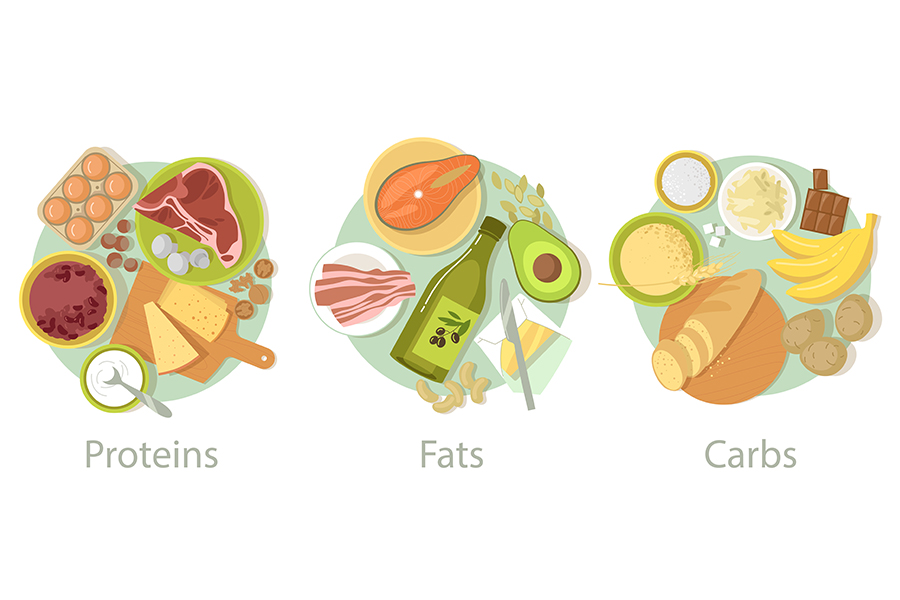
Proteins, Carbohydrates, and Fats
Adequate amounts of protein can be found in meat, fish, eggs, dairy products, nuts, and seeds. Carbohydrates are primarily found in vegetables, fruits, whole grains, potatoes, and legumes. Fats can be obtained from fish, olive oil, nuts, avocados, and seeds.
To optimally provide your cells with all the necessary nutrients, it’s important to combine a variety of sources of protein, carbohydrates, and fats in your diet. For example, combining meat or fish with vegetables provides not only protein but also important vitamins and minerals. Whole-grain bread and pasta, along with vegetables, can be an excellent source of carbohydrates, and adding nuts or avocado to salads can provide the body with the necessary fats.
To save time and ensure your body gets all the necessary nutrients, consider the protein supplements and weight gainers from the Ukrainian brand Vansiton. A weight gainer is a type of sports nutrition product consisting of natural protein and carbohydrates. In addition to its carbohydrate-protein base, a weight gainer may contain vitamins, minerals, unsaturated fatty acids, and digestive enzymes. It is an effective and safe supplement for enriching your diet and gaining muscle mass, suitable for both men and women.
A sensible and balanced diet planned a week in advance, including a variety of foods, will help provide your cells with all the nutrients they need for optimal functioning.
Cellular Nutrition and a Healthy Lifestyle
Functional cellular nutrition is the process of providing the cells in our body with all the necessary nutrients for optimal function and growth. This includes proteins, carbohydrates, fats, vitamins, minerals, and other beneficial substances. Every cell needs these elements for healthy development, structural repair, and to enhance the body’s defense against disease. Optimal cellular nutrition leads to an improvement in overall health, increased energy, and a stronger immune system.
A healthy lifestyle includes not only proper nutrition but also regular physical activity, avoiding harmful habits such as smoking and alcohol abuse, as well as getting enough sleep and managing stress. A healthy lifestyle helps maintain a healthy weight, reduces the risk of cardiovascular disease and diabetes, and improves mental health and overall mood.
Cellular nutrition and a healthy lifestyle are interrelated. Proper nutrition provides cells with the nutrients they need to function optimally, maintains a healthy body weight, and improves physical well-being. Physical activity promotes better absorption of these nutrients, boosts metabolism, and strengthens muscles and bones. Eliminating unhealthy habits allows the body to better absorb nutrients and keep cells in optimal condition.
Physical Activity and Cellular Nutrition
Physical activity and cellular nutrition are key components of a healthy lifestyle.
Physical activity improves blood circulation, strengthens muscles and bones, maintains a healthy weight, and boosts energy levels. Regular exercise also improves mental health and promotes overall bodily harmony.
Cellular nutrition involves following a balanced diet that contains sufficient amounts of proteins, carbohydrates, fats, vitamins, and minerals. Proper nutrition provides the body’s cells with all the necessary nutrients, promoting their optimal functioning.
The combination of physical activity and a balanced diet is key to maintaining cells in optimal condition and ensuring a healthy lifestyle.
Healthy Sleep and a Regular Routine
Healthy sleep is important for physical and mental health. Regular, high-quality sleep helps restore energy, improves concentration and memory, supports the immune system, and promotes cell growth. Lack of sleep can cause stress, worsen mood, and reduce overall productivity.
Healthy sleep influences hormone regulation, including hunger and satiety hormones, which can affect appetite and weight gain. Quality sleep reduces the risk of developing heart disease and diabetes, supports skin health, and strengthens the immune system.
A regular routine helps improve work efficiency, reduces stress and fatigue, and boosts mood. A consistent daily schedule ensures optimal energy levels throughout the day, improves concentration, facilitates decision-making, and promotes a sense of physical relaxation.
Establishing a regular sleep, eating, and exercise routine helps lay the foundation for a healthy lifestyle. These elements promote health and help reduce the risk of numerous diseases.
Avoiding Stress and Unhealthy Habits
Avoiding stress is a key aspect of a healthy lifestyle. This can be achieved by learning relaxation techniques, including meditation, yoga, deep breathing, and walks in the fresh air. Proper time management and setting priorities can help reduce the strain on our bodies and minimize the negative impact of stressful situations that arise throughout the day.
Giving up harmful habits, such as smoking, alcohol abuse, and eating fast food, is also an important aspect of a healthy lifestyle. These habits can significantly worsen physical and mental health and contribute to the development of heart disease, cancer, and other illnesses.
Avoiding stress and harmful habits can be achieved through positive behavioral changes and by surrounding yourself with a community of people who offer a high level of support and understanding. This promotes not only physical health but also mental health, making life more harmonious, happy, and fulfilling.