
Although doctors and dietitians are united in their opposition to fasting days for weight loss, considering a properly balanced diet to be the only solution, in practice they continue to be popular. The effectiveness of one-day diets has not been scientifically proven and is generally based on the testimonials of those who practice them. For anyone interested in this topic, here’s our selection of the best fasting days.
What are fasting days?

Days when a person consciously limits the amount and variety of food they eat are called fasting days. People often choose to do this after the holidays, a vacation, or a weekend of heavy eating to give their digestive system a rest and lose a few extra kilograms.
Fasting days should not last too long. Most often, such a diet lasts one day, during which caloric intake is reduced to 800–1,000 kcal. The menu consists of a selection of simple foods. Meals should be small and frequent, so that the body expends as little energy as possible on digestion. During this time, it’s also important to drink plenty of water.
Benefits of fasting days
Experts recognize the following benefits of single-day fasts:
- weight loss
- ease of adherence
- elimination of excess fluid and glycogen stores to optimize energy intake
- a feeling of lightness in the body
- reduced strain on the digestive system
- relief from edema, heartburn, and bloating
- boosting metabolic processes.
Athletes practice fasting days while preparing for competitions to achieve a well-defined physique. To achieve the desired result, this process is always combined with training.
Over the course of a single day, the stomach shrinks slightly, and a person gets used to smaller portions and subsequently feels full more quickly.
In addition, a fasting day helps overcome the plateau effect. Anyone who regularly follows diets is familiar with this situation: at some point during weight loss, the weight stops coming off and remains unchanged even when all conditions are strictly followed. Fasting days tone the body and help overcome this plateau.
Cons of fasting days

Fasting days take a toll on your mental health, so you shouldn’t do them during difficult periods in your life or when you’re generally not feeling well. They are not suitable for people with chronic gastrointestinal diseases, especially those with kidney, liver, or gallbladder diseases. Fasting days are not recommended for people with heart failure, thyroid disease, or type 1 diabetes. Other contraindications include pregnancy, breastfeeding, and being underweight.
But even in healthy people, fasting days can cause the following side effects:
- headaches
- weakness
- sleep disturbances
- decreased performance and concentration
- slowed metabolism
- lack of energy
- risk of gastritis and duodenitis due to increased stomach acidity.
One of the main drawbacks of fasting days is their short-lived effectiveness. Despite actual weight loss immediately after fasting, the lost kilograms usually return within a day. The fact is that the effect of rapid weight loss occurs not through fat reduction, but as a result of the elimination of excess fluid and salt from the body. But as soon as a person returns to their usual diet, the balance of nutrients is restored and their weight stabilizes. In addition, the intake of beneficial micronutrients is sharply restricted on these days, which is also harmful to health.
What can you eat on fasting days?
There are many options for fasting days. The main principle is to significantly reduce the calorie content of your diet. A single-food diet is most commonly used. Unhealthy foods are eliminated: fast food, trans fats, alcohol, and nicotine, as well as yeast and baked goods; sugar and salt intake is significantly reduced.
How long should a fasting day last?
As a rule, a fasting day is done once a week. If desired, you can have two fasting days, but not back-to-back—with a break in between. Three fasting days are already quite dangerous to your health. They are used to lose weight quickly and significantly. In this case, you can choose a gentler diet, such as a protein-based one.
Popular fasting day options
A fasting day on kefir
Kefir contains beneficial probiotics and kefiran—a type of carbohydrate with antimicrobial properties. The diet for this day should include 1.2–1.5 liters of low-fat kefir. You can drink 200–250 ml up to six times a day, without consuming any other foods. It’s best to use kefir that’s no more than 3 days old, as older kefir becomes more fermented. A single day of kefir promises weight loss of up to 1 kg.
The drawbacks of this mono-diet include the risk of increased stomach acidity and a sharp restriction of vitamins and minerals. Side effects of a kefir fasting day include gastrointestinal disturbances and a possible laxative effect. Additionally, kefir is not suitable for people with lactose or casein intolerance.
Buckwheat Fasting Day
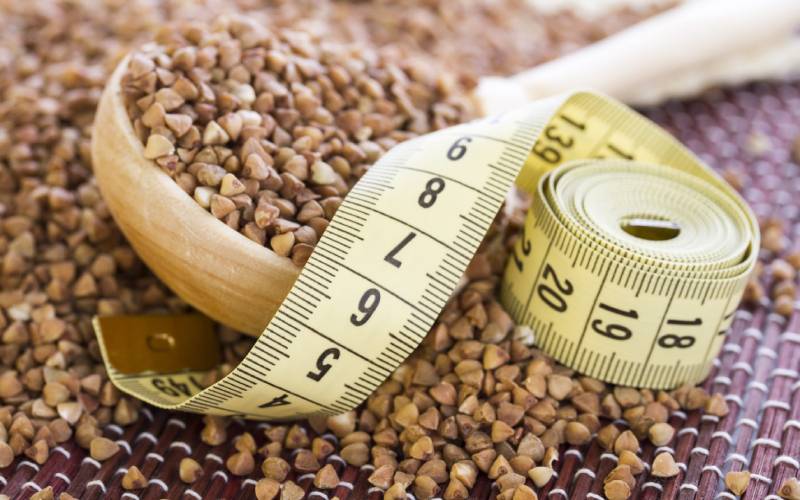
Buckwheat is considered a superfood; it has high nutritional value, a low glycemic index, and contains vitamins K and B6, as well as important minerals—potassium, calcium, and phosphorus.
According to the recipe, pour boiling water over 250 g of buckwheat in the evening and consume it the next day in 4–5 servings. Eat the porridge without salt or any other additives. To make it easier to eat, you can wash it down with low-fat kefir or plain mineral water (still). You should drink at least 1.5–2 liters of water throughout the day.
Experience shows that you can lose up to 1.5 kg in a single day on the buckwheat diet. The downside of this fasting day option is reduced energy levels and a lower mood, since buckwheat lacks many important vitamins and amino acids.
Apple Fasting Day
Apples are healthy; they contain a lot of water (up to 86%), vitamins, and minerals, as well as up to 4 g of fiber. Thanks to pectin, they quickly make you feel full.
A fasting day involves eating 1.5–2 kilograms of apples, consumed in 5–6 meals. Apples can be eaten raw or baked; it’s best to choose unsweetened varieties. During the mono-diet, you should drink at least 2 liters of water, tea, or herbal infusions.
In one day of proper fasting, you can lose up to 1.5 kg. The downsides of the apple diet include negative effects on your teeth and gut flora due to its high acid content. For safety, choose organic produce.
A fasting day on raw foods

Cottage cheese is a very healthy food—a source of protein, vitamins, minerals, and a large number of amino acids. It has a diuretic effect, rapidly flushes excess fluid from the body, and normalizes the body’s metabolism.
To lose weight during a single fasting day, you should consume 600 grams of low-fat cottage cheese along with a few similar low-calorie foods, such as green apples (which can be baked), dried fruit, or low-fat kefir.
The cottage cheese diet promises weight loss of up to 1 kg. This type of fasting day is considered suitable for virtually everyone, even those with diabetes, high blood pressure, or atherosclerosis. Among the drawbacks is the risk for people with chronic gastrointestinal diseases. Contraindications include stomach or duodenal ulcers.
Cucumber Fast Day
Cucumbers are a super low-calorie food: 100 g contains only 15 kcal. They are rich in vitamin C and potassium. This fast day is considered the most effective, as it can lead to weight loss of up to 3 kg.
For a cucumber-only day, you’ll need 1.5 kg of fresh cucumbers, which should be eaten in 5–6 servings. Do not add salt or other spices; you may only add a little olive oil or lemon juice. Throughout the day, drink water or green tea; if you feel very hungry, have 1% kefir. The downside of this diet is a significant deficiency in many beneficial macronutrients and micronutrients.
Protein-Based Fasting Day

A protein fasting day is considered effective, relatively safe, and psychologically more pleasant than other types of mono-diets. The main advantage is a feeling of fullness, since protein-rich foods take a long time to digest.
This type of diet is particularly suitable for athletes, as weight loss occurs while preserving muscle mass.
A protein-based meal plan can consist of a single food source—such as only chicken or turkey—or it can be a combination of various protein sources: cottage cheese, nuts, eggs, quinoa, and beans. Sports nutrition in the form of protein shakes is an excellent addition to this menu.
Protein is nearly pure protein, which promotes muscle mass growth. Sports proteins are a complex of nutrients based on amino acids—the building blocks of all body tissues, including muscles. If the body isn’t getting enough protein from food, taking sports protein can help make up for it.
A downside of a high-protein diet is a deficiency in other important nutrients (fats and carbohydrates), as well as possible side effects related to increased strain on the kidneys.
Other interesting options
Rice fasting day
Rice is considered ideal for maintaining energy metabolism because it contains glucose, which is essential for the brain. To fast properly, it’s best to choose unprocessed brown rice, which is high in fiber. In a single day on the rice diet, you can lose up to 1 kg of excess weight.
For the meal, use 1 glass of rice, which should be soaked overnight in 2 glasses of water, cooked in the morning without adding salt, and eaten throughout the day in several portions. A drawback of the one-day rice fast is a deficiency in beneficial micronutrients.
Water Fast Day

This is the most extreme version of a one-day diet, as it involves completely eliminating all food. You can drink up to 3 liters of water per day. You should drink every hour, consuming no more than 500 ml at a time. Pure spring water—to which you can add lemon slices—or still mineral water is recommended.
Some studies show that a water-only fasting day speeds up metabolism, flushes out excess fluid, triggers autophagy, and effectively promotes weight loss.
It is believed that you can lose up to 3 kg in a day of such fasting. One of the downsides of a water-only fasting day is that it’s difficult to stick to, since you constantly feel hungry. Additionally, rapid changes in electrolyte levels in the body can be dangerous to your health. This diet is recommended only after consulting a doctor.
When is the best time to do fasting days?
Fasting days should be done regularly and at regular intervals. To maintain a stable weight, twice a month is sufficient, while to lose excess weight, 1–2 times a week is recommended. Some people consider it ideal to start the week with a fasting day to lose weight after a hearty weekend. Others prefer the middle of the week to reduce the strain on the digestive system. Still others find that the end of the week is the best time to give the stomach a break before the weekend.
Doctors recommend minimizing physical and emotional stress on that day, getting plenty of rest, and taking walks in the fresh air. It’s not advisable to do a fasting day immediately after a long holiday with feasting, or during the second half of your menstrual cycle.
You should postpone a one-day mono-diet if you’re sick or experiencing weakness, drowsiness, headaches, dizziness, nausea, or physical discomfort. The day before the fast, it’s recommended to prepare yourself mentally, avoid unhealthy foods and alcohol, reduce your calorie intake, have a light dinner, and add protein-rich foods, green vegetables, and high-fiber foods to your diet.