


What is bran?
Whole grains, such as wheat, rice, oats, and rye, contain three edible layers: the bran, the endosperm, and the germ. Bran is the hard outer layer that is removed during milling to give the grains a smoother texture and extend their shelf life.
They contain healthy amounts of protein, iron, fiber, carbohydrates, fatty acids, and other nutrients, including B vitamins. Many people associate fiber or bran with “healthy” bread or “nutritious” breakfast cereals. Bran can be obtained from processing various types of plants, such as wheat, corn, oats, rice, soybeans, barley, and others.
Depending on the type of plant from which it is made, fiber can be water-soluble or insoluble and contain varying proportions of cellulose, polysaccharides, protein, fats, minerals, and other complex chemical compounds. For example, wheat bran is particularly high in insoluble fiber. Overall, the exact composition of bran has not yet been fully studied.
Bran typically has a slightly sweet or nutty flavor, which many people associate with whole-grain products. It adds a pleasant, hearty texture to baked goods such as muffins, bread, and cookies. Wheat, oat, rice, and corn bran are added to baked goods instead of highly processed white or all-purpose flour to enrich their nutritional profile.
What types of bran are there?
Bran is the outer layer of grains that is produced as a byproduct when whole grains are processed into flour. It is known for its high content of dietary fiber and beneficial micronutrients. Consuming bran can be beneficial for digestion and for lowering blood cholesterol levels. There are several main types of bran, each with its own unique properties and benefits.
- Wheat bran is one of the most common types of bran. It contains high amounts of fiber, protein, and B vitamins. Wheat bran has a mild nutty flavor and can be eaten with yogurt, porridge, or added to baked goods.
- Oat bran is produced from the outer layers of oats and is a source of soluble fiber, specifically beta-glucan. This soluble fiber may help control blood glucose levels and lower cholesterol. Oat bran is often added to weight-loss diets.
- Rye bran is obtained from rye grains and is distinguished from other types by its high mineral content, including selenium and magnesium. It is also rich in fiber and can be a good addition to a healthy diet.
- Corn bran is a source of antioxidants, particularly vitamin E and ferulic acid. It contains less fiber than wheat or oat bran but can be beneficial for dietary variety.
- Rice bran is made from the outer layers of the rice grain and has a high fat content; however, these fats are mostly unsaturated. Rice bran also contains large amounts of B vitamins and vitamin E.
When choosing bran, pay attention to the type of grain from which it was made, as the properties of bran depend on its origin. Also consider your individual needs regarding the health benefits of different types of fiber.
By processing method
Bran can be processed in various ways depending on its intended use and production requirements. If we consider bread byproducts in terms of the degree of processing and grinding, they can be divided into the following types:
- Coarse grind (coarse bran) consists of the largest particles remaining after the first stage of grain milling. They contain a large amount of fiber and minimal protein.
- Medium grind (medium bran) consists of particles smaller than those in the coarse grind, but they are still quite large.
- Fine grind (fine bran) consists of the smallest particles remaining after the final stage of milling.
- Refined grain is grain from which all bran has been removed. It is the pure part of the grain used to produce premium-grade flour.
- Semi-refined grain is grain that has been partially stripped of its bran. It typically contains more nutrients than refined grain.
Depending on the degree of milling and processing of the grain, bran can have varying nutritional value and different levels of protein, vitamins, and minerals. The degree of milling determines where bran is best used. For example, finer bran is better suited for consumption raw, while coarser bran is often used in baking.
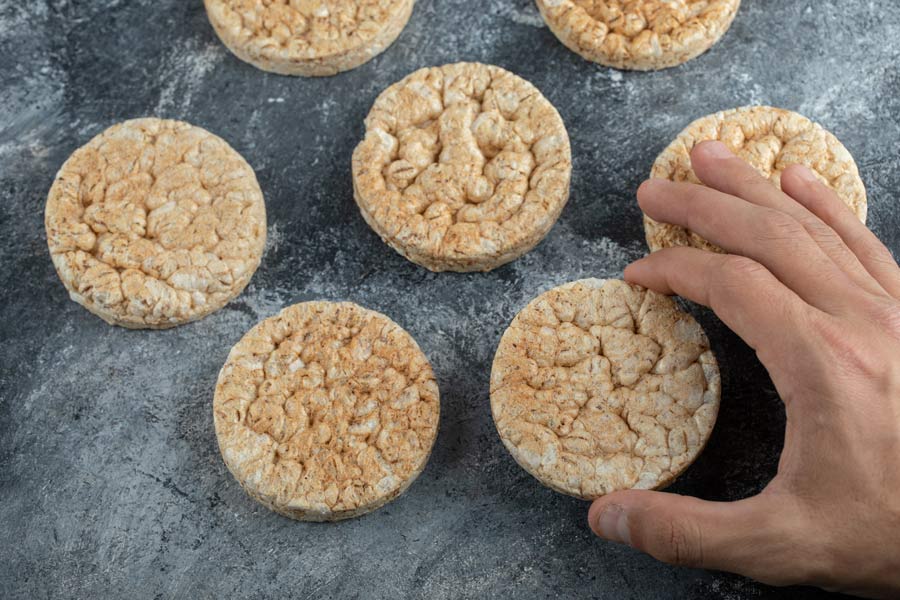
By appearance
In addition, bran is divided into loose and pressed varieties. Loose bran is easy to add to porridge, smoothies, or baked goods. By and large, it’s versatile and suitable for any occasion.
Pressed bran, on the other hand, resembles corn sticks or cereal balls. It’s easy to add to a bowl with other types of cereal. They can be used as a standalone snack or a healthy addition to your diet.
What Are the Nutritional Benefits of Bran?
Bran is a good source of fiber, antioxidants, vitamins, and minerals. In particular, wheat bran contains a lot of insoluble fiber, which improves bowel motility and helps food pass quickly through the stomach.
Wheat bran also contains prebiotic fiber, which may promote the growth of Bifidobacterium, a healthy bacterium found in your gut. Thanks to these properties, wheat bran is associated with improved digestive health and a reduced risk of heart disease, colon cancer, and metabolic disorders such as diabetes.
On the other hand, oat and barley bran are excellent sources of insoluble and soluble fiber, which, when combined with water, turns into a gel-like substance that stimulates digestive processes. They are also rich in beta-glucans, a type of soluble fiber associated with lowering cholesterol levels and preventing heart disease.
High-fiber diets can boost metabolism and reduce the risk of heart disease, stroke, and type 2 diabetes. Getting enough of this nutrient can also aid in weight loss.
Is bran a weight-loss myth?
Bran, obtained during the processing of grains or legumes, contains large amounts of fiber and other indigestible substances. Bran can be beneficial to health because it promotes healthy digestion and supports the health of the gut microbiome.
However, it’s important to note that bran alone is not a weight-loss remedy. Consuming it can help you feel full longer due to its fiber content, which in turn can help control your appetite. But this doesn’t mean that bran will automatically lead to weight loss.
If you plan to include bran in your diet as part of a weight-loss plan, it’s important to view it as part of a healthy, balanced diet rather than as the sole means of losing weight. A healthy diet should include a variety of foods that provide the body with the necessary nutrients.
In addition, it is always recommended to consult a doctor or dietitian before making any drastic changes to your diet or lifestyle, particularly when it comes to weight loss. A personalized approach and proper diet planning will help you achieve your desired results in a healthy and safe way.
Popular Types of Bran and Their Benefits
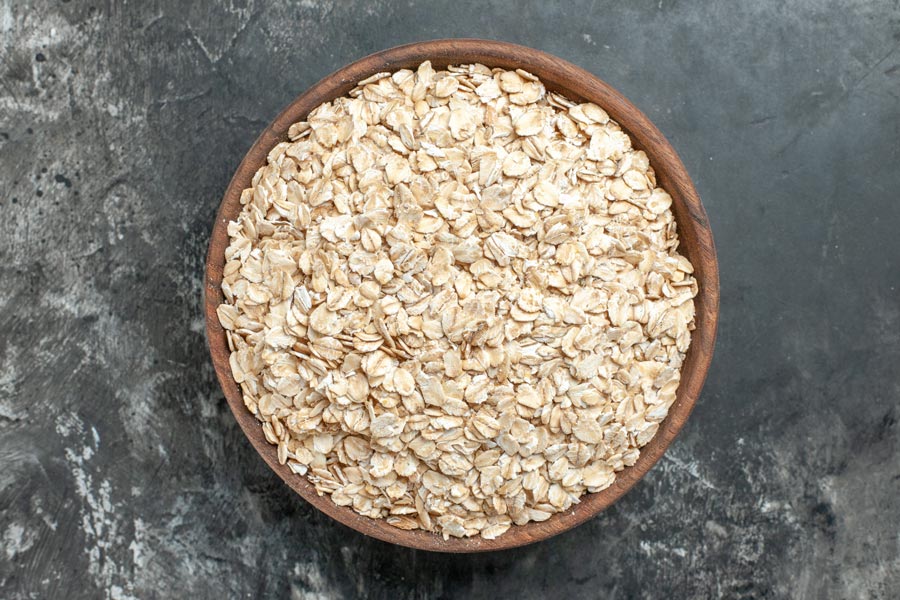
Oat bran
Oat bran is a product obtained during the processing of oat grains. They are an important part of a healthy diet because they contain many beneficial nutrients that can improve your health and help maintain normal bodily functions.
Nutritional Value and Benefits of Oat Bran
Oat bran contains significant amounts of soluble fiber, particularly beta-glucan, and insoluble fiber, which improve digestion and provide a long-lasting feeling of fullness. Its content of B vitamins, including thiamine and folic acid, along with minerals such as iron and magnesium, makes oat bran beneficial for the health of the nervous and immune systems.
The high soluble fiber content in oat bran can help lower levels of “bad” cholesterol in the blood, which promotes heart health. Its content of essential fatty acids, including omega-3s, also makes it beneficial for heart and brain health.
Oat bran has a low glycemic index, which means it helps maintain stable blood sugar levels—something that’s especially important for people with diabetes or a tendency to gain weight.
They are rich in antioxidants that protect cells from the harmful effects of free radicals, helping to reduce the risk of developing diseases such as cancer or cardiovascular disease.
Oat bran is derived from the outer layer of the oat kernel, making it an excellent source of dietary fiber and other essential nutrients. Additionally, oat bran is versatile and can be incorporated into various recipes, such as adding it to oat flour for baking.
Wheat Bran
Wheat bran, derived from the outer layer of wheat grains, is another fiber-rich option to consider for enriching your diet. It provides a large amount of insoluble dietary fiber, which promotes regular bowel movements and supports digestive health. You can easily incorporate it into your daily diet by sprinkling it on cereal, adding it to baked goods, or using it as a breading for chicken or fish.
Nutritional Value and Benefits of Wheat Bran
Wheat bran is an excellent ingredient for those who want to increase their fiber intake, as it contains a significant amount of dietary fiber. It also contains high amounts of zinc and copper. In addition, they provide more than half of the daily recommended intake of selenium and manganese.
Wheat bran is not only rich in nutrients but is also a relatively low-calorie food. Half a cup (29 grams) contains only 63 calories, which is very little considering all the nutrients that bran contains.
The insoluble fiber found in wheat bran can help prevent constipation and maintain regular bowel movements. In addition, studies have shown that wheat bran can reduce symptoms of indigestion, such as bloating and discomfort, and is more effective at improving bowel movements than other forms of insoluble fiber, such as oats and certain fruits and vegetables.
Wheat bran is also rich in prebiotics, which are indigestible fibers that act as a food source for beneficial gut bacteria, increasing their numbers, which in turn promotes better gut health.
Corn Bran
Corn bran is a dietary supplement made from the outer layers of corn kernels. It is high in dietary fiber and is often used to improve digestion. Corn fiber can also help lower cholesterol and regulate blood sugar levels. It is often used as an ingredient in porridge, bread, and other baked goods.
Nutritional Value and Benefits of Corn Bran
Corn bran contains proteins that are essential for growth, development, and tissue repair in the body. It contains soluble and insoluble fiber, which helps regulate digestion, improves bowel function, and helps prevent constipation. It is also a source of vitamins, particularly B vitamins, which are important for the normal functioning of the nervous system and the efficient use of energy.
Fiber can help lower cholesterol and regulate blood sugar levels. It is also a good source of essential vitamins and minerals, such as magnesium, phosphorus, zinc, and iron. In addition, corn bran contains many antioxidants that can help protect the body from free radical damage and reduce inflammation.
Rice Bran
The brown part of the rice that is produced during the husking and milling process is rice bran. The bran is the hard outer layer containing a range of micronutrients, such as oryzanols, tocopherols, tocotrienols, phytosterols, 20% oil, and 15% protein, as well as 50% carbohydrates (primarily starch) and dietary fibers such as beta-glucan.
Nutritional Value and Benefits of Rice Bran
Rice bran contains high concentrations of several compounds and has the potential to prevent a number of chronic diseases. It is believed to have cholesterol-lowering properties, improve cardiovascular health, and exert anti-inflammatory effects.
Rice bran has a low glycemic index, meaning it raises blood sugar levels slowly, which is beneficial for managing blood sugar in people with diabetes. It is a low-calorie food and is low in fat, making it an ideal choice for those watching their weight or heart health.
Rice bran is gluten-free, making it a safe option for people with celiac disease or other gluten allergies. It contains minerals such as iron and magnesium, which are essential for the body to function properly, as well as B vitamins, which play a role in nervous system health, normal growth, and development.
How to Use Bran in Your Diet and Cooking

Bran, obtained during the processing of grains and legumes, can be used in various recipes to increase nutritional value and enhance the flavor of dishes. When consuming bran on an empty stomach, you should monitor your body’s reaction, as it’s important to consider your own physical well-being rather than blindly following dietary guidelines.
Adding to Porridge and Breakfasts: Bran can be added to oatmeal, muesli, buckwheat, or other porridges to enrich their nutritional value with fiber and protein. It adds texture and flavor to the dish and makes breakfast more filling.
Use in Baking: Bran can be added to bread, rolls, muffins, or cookies to increase their fiber and nutrient content. It can serve as a main ingredient or as a flavor enhancer.
Adding to vegetarian dishes: Bran can be used as a meat substitute in vegetarian dishes such as cutlets, burgers, or ground meat for fillings. It adds texture to the dish and increases the protein content.
Making smoothies and desserts: Bran can be added to smoothies, yogurt, or desserts to create more filling and nutritious dishes. It can be mixed with fruits, berries, and dairy products to create delicious combinations.
Using as a breading: Before frying or baking, bran can be used to bread meat, fish, or vegetable dishes. It adds a crispy texture and flavor to any dish.
Given their high nutritional value, bran can be an important component of a balanced diet and add flavor and texture to various dishes.
Are there any contraindications for consumption?
Wheat bran is a relatively safe food, but, as with any other food, you may have an individual reaction to a specific type of wheat bran or to this supplement in general.
People with allergies to wheat or other grains should avoid consuming wheat bran. People with celiac disease or gluten intolerance should check the ingredients of bran products and choose gluten-free options.
In some cases, especially with increased consumption, grains and bran may cause discomfort or bloating in the gastrointestinal tract, particularly in people with a sensitive GI tract. Although the fiber in bran helps regulate digestion, excessive consumption can lead to constipation and difficulties with bowel movements.
People following specific diets (such as low-carb or ketogenic diets) should consider the carbohydrate content of bran and adjust their diet accordingly.
Before making significant changes to your diet—particularly consuming large amounts of bran—it is recommended that you consult a doctor or dietitian. This is especially important for people with poor health, food allergies, or other medical conditions that may affect their ability to consume certain foods.


