Healthy eating doesn’t necessarily mean spending a lot on groceries. There are plenty of affordable foods that offer a wide range of health benefits and are just as good as their more expensive counterparts. They can be just as nutritious and delicious. However, to maintain a healthy diet without following a specific diet plan, some basic knowledge is essential. In this article, we share with our readers the basic principles of healthy, budget-friendly eating, offer practical advice on budget-friendly meal plans for weight loss, and explain what healthy meals you can prepare each day without breaking the bank.
What is budget-friendly eating, and how does it differ from regular eating?
Spending less on groceries doesn’t mean losing the health benefits of eating them. Cheaper foods can also be healthy if you follow certain rules and use your knowledge when choosing them.
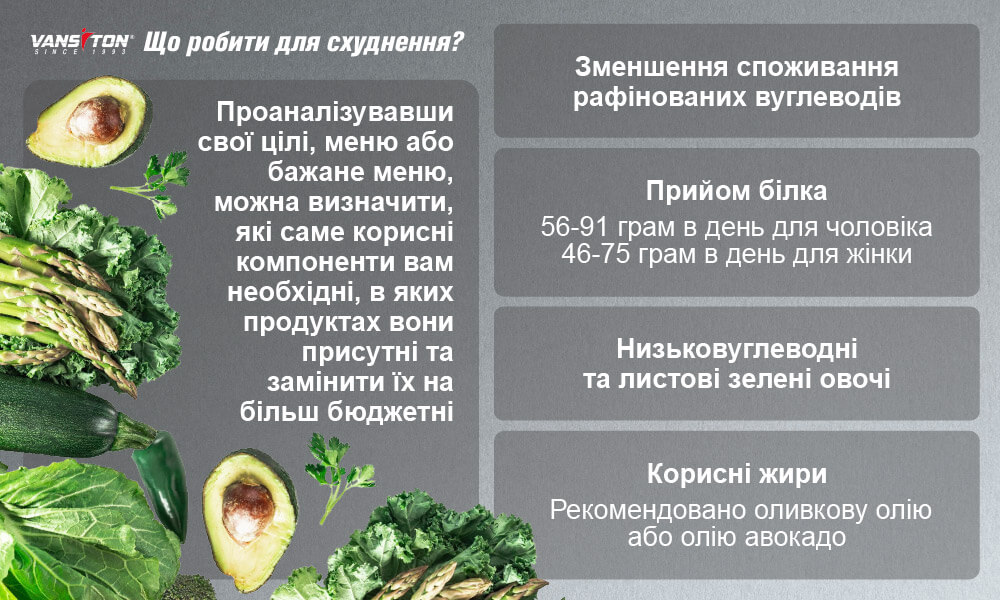
The difference between budget-friendly eating and regular eating is that you’ll spend less money but still get the same nutritional benefits. By analyzing your goals, your current meal plan, or your desired meal plan, you can determine exactly which healthy ingredients you need, which foods contain them, and replace them with more budget-friendly options.
Essential Foods and How to Use Them Properly

Meat and fish – a source of protein, containing essential amino acids. Affordable meats: chicken, lean cuts of pork, and chicken offal provide a complete set of essential amino acids. It’s beneficial to eat river fish or lean saltwater fish several times a week, as they’re rich in omega-3 and other nutrients essential for a healthy diet and overall well-being.
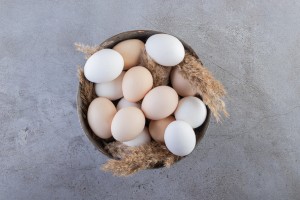
Dairy products – contain protein, calcium, phosphorus, and many beneficial nutrients. Your weekly menu should definitely include kefir, plain yogurt, low-fat sour cream and cottage cheese, and ryazhenka.Eggs – a low-calorie, affordable, and nutritious food. When planning your weekly menu, keep in mind that you should eat no more than 2 eggs per day.
Grains – an important source of energy and fiber. Common grains—buckwheat, barley, and oats—are complex carbohydrates that will keep you feeling full for several hours.
Vegetables – are low in calories and contain large amounts of fiber, vitamins, and micro- and macronutrients. It’s best and most economical to eat seasonal vegetables grown locally: zucchini, cabbage, carrots, beets, pumpkin, and onions.
Greens — provide the body with vitamins, stimulate digestive function, and regulate metabolic processes. To lose excess weight , it is recommended to eat spinach, mint, lettuce, dill, parsley, basil, and green onions.
Fruits and berries – maintain energy levels, provide vitamins and minerals, contain antioxidants, strengthen the body, and boost the immune system. A budget-friendly menu can include apples, pears, oranges, raspberries, and blueberries. It’s best to eat 1–2 different fruits per day.
Whole-grain bread—free of sugar, yeast, leavening agents, and preservatives. By consuming whole-grain products (50 g per day), you can provide your body with its daily fiber requirement.
Dried fruits and nuts—a healthy alternative to sweets, but consumption should be monitored due to their high calorie content.
Legumes—a source of protein that helps lower blood sugar and cholesterol levels. Peas, beans, and lentils are staples of most budget-friendly, healthy meal plans.
Budget-friendly alternatives to expensive foods
- Meat products. Buy less expensive cuts of meat. For example, instead of a fillet, you can buy a thigh or drumstick—they contain the same nutrients. It’s also more cost-effective to buy a whole chicken, provided you can divide it to prepare several dishes. Ground meat is also a good substitute for expensive cuts, but choose lean varieties.
- Grains and pasta. Buy Ukrainian-produced grains and pasta instead of imported products. Domestic brands are cheaper but are just as good in terms of quality, nutritional value, and taste. As for grains, consider pearl barley, oats, millet, wheat groats, barley groats, and corn grits. They provide your body with beneficial nutrients, aid in weight loss, and add variety to your diet.
- Vegetables and fruits. Buy vegetables at farmers’ markets; they’re cheaper there than at supermarkets. Choose seasonal fruits and vegetables, as seasonal produce guarantees lower prices.
- Fresh fish. To save money, it’s recommended to buy frozen or canned fish. However, when choosing canned fish, pay attention to the ingredients to ensure a low percentage of salt and sugar, as well as the specific type of fish used, etc. Like fresh fish, these types of fish products are rich in omega fatty acids and other nutrients essential for a healthy diet and supporting the body’s development.
In general, the substitution rule applies to various product groups: vegetables, herbs, pasta, grains, etc. For almost every one of them, you can find a more budget-friendly alternative or a place where they cost less—for example, when buying vegetables at the market versus the supermarket. If it’s not possible to find an exact substitute, you can identify which specific nutrients you’re interested in and choose a substitute from other foods.
An Inexpensive Weekly Menu by Day

|
Day |
Breakfast |
Second breakfast |
Lunch |
Afternoon Snack |
Dinner |
|
1 |
Oatmeal with fruit and unsweetened green tea |
Whole-grain sandwich with cheese, lettuce, and tomato |
Vegetable soup |
Plain yogurt |
Boiled or steamed vegetables and lean beef |
|
2 |
Cheesecakes and green tea without sugar |
Apple |
Buckwheat or other grains, chicken cutlets (not fried), vegetable salad |
Berries or fruit |
Braised meat with vegetables and tomato juice |
|
3 |
Whole-grain sandwich with cheese and avocado, green tea without sugar |
Cheese with honey |
Barley with braised vegetables |
Fruit |
Baked hake with vegetables |
|
4 |
Omelet with Milk and Bread | Cottage cheese with fruit |
Durum wheat pasta, ground beef, tomato juice |
Vegetable salad |
Boiled Chicken with Braised Cabbage and Carrots |
|
5 |
Buckwheat porridge with vegetables |
Kefir, Berries, and Nuts |
Vegetable stew with meat |
Fruit |
Salad with greens and fish |
|
6 |
Steamed scrambled eggs, cheese, herbs, berry fruit drink |
Fruit salad |
Baked Potatoes with a Spring Vegetable Salad |
Plain yogurt |
Baked fish with herbs |
|
7 |
Cheese casserole, tea |
Banana |
Vegetable soup with broccoli, zucchini, carrots, and 2 hard-boiled eggs |
Salad with cucumbers, tomatoes, and greens |
Baked Chicken with Vegetables |
What should you do to lose weight?
Proper nutrition is the foundation of healthy weight loss. And since it’s based on simple, whole foods and eliminates expensive “empty” calories (fast food, sweets, and processed foods), it’s also cost-effective.
A budget-friendly menu for losing weight at home isn’t based on expensive superfoods like avocados, seeds, or salmon, but on affordable local foods with high nutritional value.
Basic Principles of a Weight-Loss Diet
Reducing Intake of Refined Carbohydrates
You should start small by cutting back on sugar, carbohydrates, and starch. Follow a low-carb diet or reduce your intake of refined carbohydrates and replace them with whole-grain foods. This will help curb your appetite and lower insulin levels.
On a low-carb diet, your body will use stored fat for energy instead of carbohydrates.
When you eat whole-grain foods as part of a calorie-restricted diet, you’ll stay full longer because these foods are high in fiber and digest more slowly.
Protein Intake
Every meal should include a source of protein, a healthy source of fat, complex carbohydrates, and vegetables.
Protein helps maintain health and muscle mass while losing weight. Eating enough protein-rich foods can help reduce your appetite and body weight.
Protein intake:
- 56–91 grams per day for the average man;
- 46–75 grams per day for the average woman.
Sources of protein:
- meat: beef, chicken, pork;
- fish and seafood;
- eggs: whole eggs with yolks;
- plant-based proteins: beans, legumes.
Low-carb and leafy green vegetables
Leafy green vegetables contain many beneficial nutrients; they can be consumed in large quantities without increasing calorie or carbohydrate intake.
Vegetables that should be included in your diet:
- broccoli;
- cauliflower;
- spinach;
- tomatoes;
- cabbage;
- lettuce;
- cucumber.
Healthy Fats
Your body needs them regardless of your diet. It is recommended to use olive or flaxseed oil. Coconut oil should be consumed in moderation, as it contains a high amount of saturated fats.
A budget-friendly weight-loss meal plan should provide a moderate calorie deficit (approximately 1,400–1,600 kcal per day), be high in fiber to promote satiety, and include high-quality protein to support muscle mass. All of these nutrients can be found in simple, affordable foods.
Budget-Friendly Weight-Loss Diet: Weekly Meal Plan

| Day | Breakfast | Lunch | Afternoon | Dinner |
|---|---|---|---|---|
| Mon | Oatmeal cooked in water with a splash of milk + 1 hard-boiled egg + ½ apple | Buckwheat (150 g) + skinless chicken thigh (100 g) + coleslaw | A glass of 1% kefir | Omelet made with 2 eggs and frozen vegetables (150 g) |
| Tue | 5% fat cottage cheese (150 g) + ½ grated apple with cinnamon | Lentil soup + boiled potatoes (100 g) + chicken breast (100 g) | 1 medium apple or a handful of seeds (20 g) | Alaska pollock baked with onions and carrots (150 g) + boiled beets |
| Wed | 2 hard-boiled eggs + rye bread with a fresh cucumber | Barley (150 g) + braised chicken liver (100 g) + sauerkraut | 5% fat cottage cheese (100 g) | Baked hake or pollock (150 g) + braised cabbage |
| Thu | Oat pancake (made with 1 egg and 2 tbsp. rolled oats) filled with cottage cheese (30 g) | Lentil puree (150 g) + skinless chicken drumstick + carrot salad | A glass of ryazhenka or kefir | Chicken breast, braised with zucchini or green beans (200 g) |
| Fri | Sugar-free cottage cheese casserole with apples (150 g) | Buckwheat (150 g) + two steamed pollock or chicken cutlets + 1 cucumber | 1 apple | Salad made with boiled green beans, 1 egg, and herbs, dressed with 1 tsp of oil |
| Sat | 2-egg omelet with herbs + rye bread | Vegetable stew with braised chicken (total serving size: 250 g) | 5% fat cottage cheese (100 g) + 1 tsp honey | Baked fish (150 g) + beet salad |
| Sun | Oatmeal cooked in water + 1 hard-boiled egg | Fish soup (yushka) with potatoes and herbs + 1 slice of rye bread | A glass of kefir | Baked chicken breast (120 g) + stewed green beans |
Is it true that healthy eating is always expensive?
No. The myth that healthy eating is expensive stems from the marketing hype surrounding “superfoods” (chia seeds, quinoa, avocados, goji berries). Basic and incredibly nutritious foods—buckwheat, oats, seasonal vegetables (cabbage, beets, carrots), eggs, and local white fish—are affordable and form the foundation of a healthy diet. According to the World Health Organization (WHO), a healthy diet is based on simple, whole foods, not exotic delicacies.
Are inexpensive frozen vegetables and fish healthy?
Yes, absolutely. Modern flash-freezing preserves up to 90–95% of vitamins and minerals. Frozen green beans, broccoli, or inexpensive pollock are often even healthier than “fresh” vegetables and fish that have been transported from far away for weeks and stored in warehouses. Plus, there’s no waste involved in freezing (scales, bones, spoiled leaves), which saves money.
What can you use instead of expensive meat (beef, turkey) to get protein?
You can include inexpensive chicken offal, eggs, and legumes in your diet. Chicken livers and hearts are cheaper than chicken breast but are superior in iron and B vitamins. Eggs are a benchmark source of easily digestible and affordable protein. Among plant-based sources, lentils, peas, and beans are the top choices—they cost next to nothing, have a long shelf life, and provide a lasting feeling of fullness thanks to their fiber content.
Is it necessary to buy expensive extra virgin olive oil?
Not necessarily. Regular unrefined cold-pressed sunflower oil (aromatic) is also rich in vitamin E and healthy fatty acids. Refined oil is excellent for frying because it has a high smoke point. The key is to use it sparingly (1–2 teaspoons per serving) to control calorie intake.
Is it true that cheap rolled oats are worse than expensive ones?
It depends on the type. Cheap “Hercules” oats, which need to be cooked for 15–20 minutes, are much better for weight loss and health than expensive instant oatmeal in nice individual packets. Hercules, which takes a long time to cook, contains complex carbohydrates and plenty of fiber. Instant oats are stripped of their bran and contain sugar, which causes a sharp spike in blood sugar and a quick return of hunger.
How can you avoid resorting to fast food when you don’t have time to cook and your budget is tight?
The meal prep method can help. Set aside 2 hours on Sunday: boil a pot of buckwheat or chickpeas, roast a batch of skinless chicken drumsticks, and prepare a batch of soup or borscht. If you always have healthy, ready-to-eat food in the fridge, you won’t have to spend money on spontaneous snacks, pastries, or fast food.
Can you drink cheap tea and coffee while on a diet?
Yes, as long as they’re without sugar or syrups. Regular loose-leaf green or black tea, as well as classic ground coffee without additives, boost your metabolism and contain antioxidants. The main sources of cost and hidden calories in coffee shops are milk, sugar, and syrups, which turn the drink into a liquid dessert. Homemade black coffee is significantly cheaper and better for your figure.