What Are Amino Acids
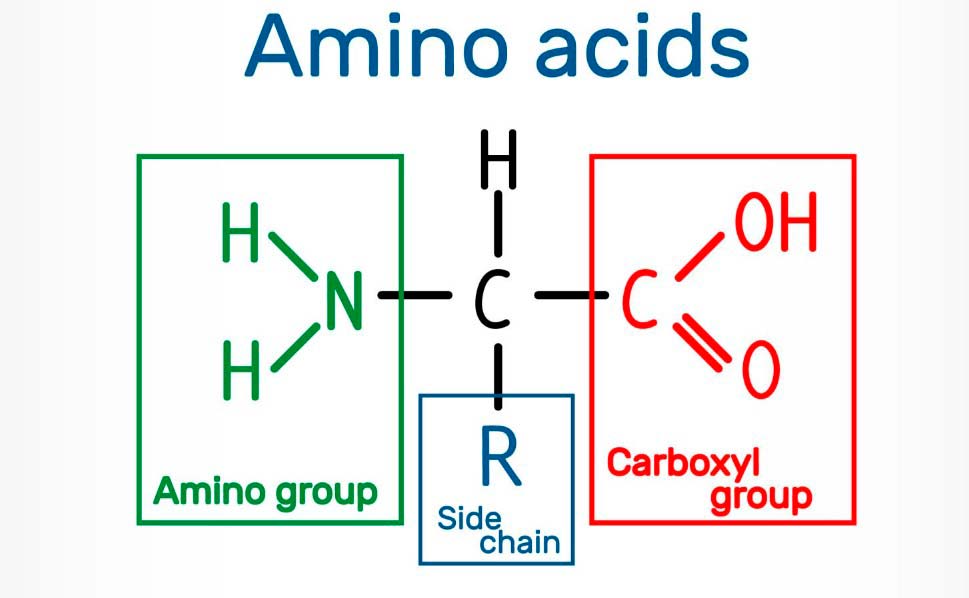
Amino acids are a group of organic compounds whose structure consists of carbon (C), hydrogen (H), nitrogen (N), and oxygen (O) atoms, as well as a variable side chain (R-group).
The general formula for amino acids is: NH₂ – R – COOH, where the carboxyl group (COOH) imparts acidic properties to the organic compounds, and the amino group (NH₂) provides the basic properties of amino acids. The R-group is unique to each organic compound and determines the specific physicochemical characteristics of amino acids: polarity, charge, the ability to dissolve in water and form hydrogen bonds, melting point, etc.
The primary function of amino acids is the formation of proteins. During protein synthesis, the carboxyl group of one amino acid reacts with the amino group of another, forming a peptide bond. Organic compounds in which NH₂ and COOH are attached to the same carbon atom are called alpha-amino acids.
Amino acids in nature usually occur in the L- or D-form. They have amino groups arranged in opposite directions, like a mirror image, and depending on whether the molecular helix twists to the left or to the right, they are designated by a specific letter: L—“left” (from the Latin “laevo”) or D—“right” (“dextra”).
Only the L-form of amino acids is beneficial to the human body; these are used to form proteins and other essential substances.
Why does the human body need amino acids:
- synthesis of proteins—the primary structural components of cells, muscles, tissues, and enzymes;
- metabolism and energy exchange;
- transport and storage of substances;
- synthesis of the hormones estrogen, progesterone, and growth hormone;
- participation in the synthesis of enzymes that regulate chemical reactions in the body;
- support of the nervous system and mental health;
- support of the immune system: synthesis of antibodies and immune cells;
- liver detoxification, tissue repair following inflammation, and prevention of fat accumulation in the organ;
- participation in tissue regeneration;
- muscle growth and development, joint support;
- support for brain function, memory, and concentration;
- support for healthy hair, skin, and nails;
- antioxidant protection; slowing of the aging process.
Types of Amino Acids
There are about 500 amino acids in nature, 20 of which are essential for our body. Amino acids combine with one another in various sequences, forming more than 10,500 varieties of proteins—the primary building blocks of cells that form tissues and organs.
All amino acids are divided into:
- non-essential amino acids, which the body produces on its own. Some non-essential amino acids are synthesized in the body from essential amino acids obtained from food. Amino acids can also be produced during the breakdown of fats and carbohydrates;
- essential amino acids, which are not produced by the body and must be obtained exclusively from food;
- conditionally essential amino acids (or partially non-essential), which are synthesized by the body but only under certain conditions or in insufficient quantities. In critical situations, such as when the body is under stress or ill, it requires an additional supply of these amino acids from food or dietary supplements. Conditionally essential amino acids include cysteine, arginine, glutamine, glycine, histidine, tyrosine, proline, and serine.
Table of Essential Amino Acids
| Amino Acid Name | Functions |
| Asparagine | Supports cell growth and tissue repair. Supports the immune system by increasing immunoglobulin activity; participates in ammonia production; is required for normal nervous system function. |
| Aspartic acid | Provides cells with energy. Acts as a neurotransmitter, transmitting signals between neurons. |
| Alanine | Participates in carbohydrate and fat metabolism and promotes energy production. Normalizes blood glucose levels. Is a component of proteins and biologically active substances. |
| Arginine | Dilates blood vessels, improves blood circulation, and lowers blood pressure. Normalizes testosterone levels and improves erections. Normalizes estrogen and progesterone levels in women. |
| Glycine | Helps regulate the sleep-wake cycle, acts as a receptor in the brain and spinal cord, and functions as a neurotransmitter. |
| Glutamine | It participates in the metabolism of other amino acids and the elimination of ammonia—the end product of protein metabolism—from the body. It promotes muscle growth and the recovery of muscle tissue after physical exertion. It supports the immune system |
| Glutamic acid | Maintains the balance of gut microbiota and strengthens the immune system. Helps improve memory and learning ability. |
| Carnitine | Helps transport fatty acids into the mitochondria, where they are burned to produce energy. Reduces the synthesis of thyroid hormones. Activates fat metabolism, stimulates regeneration, and increases appetite. |
| Ornithine | o Supports liver function, promotes cell regeneration, and aids in the synthesis of growth hormone. Has a calming effect and reduces nervous excitability. |
| Proline | Plays a role in collagen formation. Ensures strong joints and ligaments. Cleanses blood vessel walls of fat deposits and normalizes blood flow. Reduces the risk of cardiovascular disease. |
| Serine | Serves as a building block for creatine and participates in glycogen metabolism. Helps boost immunity and repair damaged tissues after injuries. Regulates mood and participates in the synthesis of serotonin, the “mood hormone.” |
| Taurine | It plays a role in lipid metabolism, promotes fat digestion, and aids in the elimination of toxins. It helps maintain normal retinal function, lowers blood sugar and cholesterol levels, and accelerates wound healing. |
| Tyrosine | It is involved in the synthesis of thyroid hormones—thyroxine and triiodothyronine. It alleviates symptoms of depression and anxiety and improves memory and concentration. |
Table of Essential Amino Acids
| Amino Acid Name | Functions |
| Valine | Supports muscle growth. Helps increase physical endurance and overall energy levels. |
| Histidine | Promotes hemoglobin formation and supports red blood cell production. Participates in the synthesis of the hormone histamine, which regulates digestion, sleep, and sexual function. |
| Isoleucine | Supports muscle tissue recovery and growth. It plays a role in regulating blood sugar levels and hemoglobin synthesis. |
| Leucine | It plays a role in the breakdown of carbohydrates. It supports energy balance. It promotes muscle mass gain and increases physical endurance. |
| Lysine | Plays a role in the synthesis of digestive enzymes. Promotes the absorption of calcium from food and supports bone health. |
| Methionine | Supports fat metabolism and prevents fat accumulation in the liver. Has antioxidant properties. |
| Threonine | Plays a role in the formation of collagen and elastin. Supports liver detoxification. |
| Tryptophan | Plays a role in the production of the sleep hormone melatonin; helps regulate sleep and emotional well-being. |
| Phenylalanine | Plays a role in the synthesis of dopamine, adrenaline, and norepinephrine. Helps regulate mood and reduces symptoms of depression. |
Are Amino Acids Effective for Weight Loss?

Amino acids play an important role in metabolic processes, tissue repair, and maintaining necessary energy levels. If your goal is to lose weight, amino acids can be an effective addition to your diet and exercise routine. They help speed up fat burning, preserve muscle mass, and improve physical endurance.
How Amino Acids Help with Weight Loss
Preserve muscle mass. When losing weight, the body loses not only fat but also muscle—amino acids help preserve muscle even during a calorie deficit.
They aid in recovery after workouts. Amino acids support the recovery process after physical exertion, allowing you to train more frequently and intensely. More intense workouts mean faster fat burning, and consequently, weight loss.
They reduce appetite. Amino acids have the ability to reduce appetite, which leads to lower calorie intake and promotes weight loss.
They maintain energy levels. Consuming amino acids helps maintain the necessary energy levels even while dieting. Adequate energy levels allow you to exercise without excessive effort or rapid fatigue.Which amino acids should you take for weight loss?
Amino acids that are part of branched-chain amino acids (BCAAs):
- Leucine prevents muscle breakdown, reduces muscle fatigue, stimulates protein synthesis in muscles, helps preserve muscle mass during a calorie deficit, improves fat oxidation, and accelerates calorie burning; helps cells absorb glucose more quickly, thereby increasing energy reserves.
- Isoleucine helps reduce body fat without losing muscle mass, lowers the risk of injury, promotes muscle recovery after exercise, and maintains the energy levels needed for effective workouts.
- Valine supports nitrogen metabolism in the body, serves as an energy source for muscle tissue, aids in rapid recovery, maintains normal blood sugar levels, and improves metabolism.
Glutamine is important for supporting the immune system, muscle recovery after exercise, and preserving muscle mass during a calorie deficit.
Arginine stimulates the production of nitric oxide, which helps improve blood circulation and oxygen delivery to the muscles during workouts. As a result, you can train longer and burn fat more intensely.
Tyrosine and tryptophan regulate blood glucose levels and suppress hunger. They can be used for weight loss even without exercise, when combined with a healthy diet.
To lose weight, it is recommended to take amino acid supplements between meals, before and after your workout. This will help minimize muscle catabolism and reduce your appetite as much as possible. To achieve noticeable weight loss results, keep track of your total calorie and macronutrient intake to ensure you don’t exceed your daily limit. And remember — there are no magic weight-loss pills; you can only achieve your goal by combining amino acid supplements with exercise and a healthy diet.
How to Take Amino Acids

Amino acids as sports nutrition are available in the form of tablets, capsules, suspensions, liquids, or powders. Every athlete can choose the form that is most convenient for them.
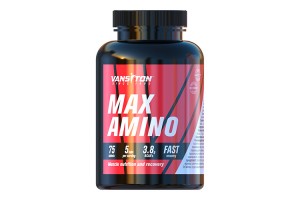
Vansiton’s “Max-Amino” complex in capsules contains the amino acids L-valine, L-leucine, and L-isoleucine, which quickly repair muscle fibers and increase muscle endurance, especially during periods of stress and intense physical training. L-arginine increases blood vessel permeability, supplying the muscles with oxygen, while vitamin B6 enhances the anabolic and anti-catabolic effects of the ingredients.
The complex promotes muscle mass growth, increases endurance, stimulates protein synthesis, boosts energy, and protects muscle tissue from damage.
Directions:
Recommended: 6–10 capsules 30–40 minutes before a workout and 6–10 capsules after a workout. Do not exceed the recommended daily dose.
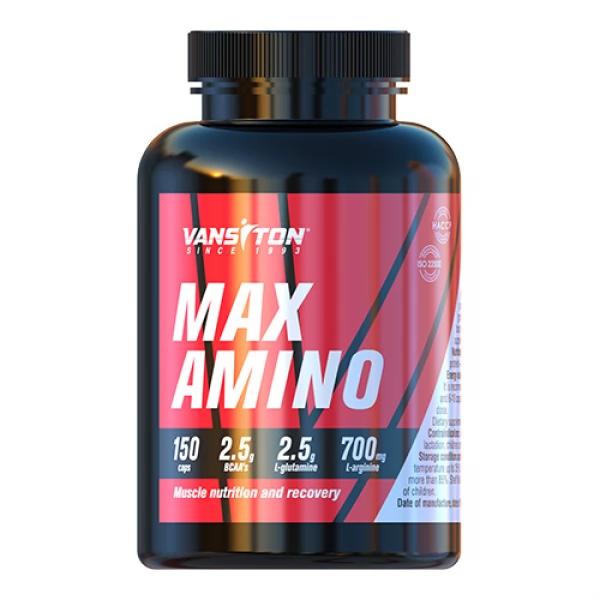
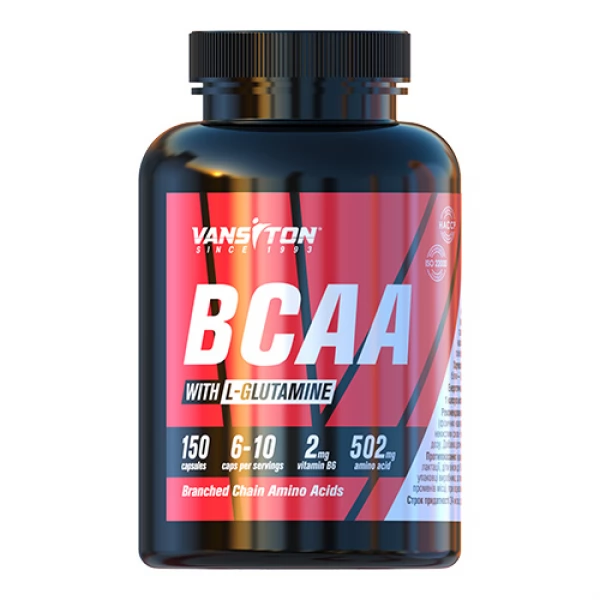
The BCAA amino acid complex in capsules by Vansiton consists of BCAA amino acids in a 2:1:1 ratio of L -leucine, L-valine, and L-isoleucine, with added L-glutamine and vitamin B6. The complex supports high performance and endurance during intense physical exertion and prolonged workouts.
Directions:
Recommended: 6–10 capsules 30–40 minutes before the start of a workout (physical activity) and immediately after finishing. Take with water or non-acidic juice. Do not take before bedtime. Do not exceed the recommended daily dose.
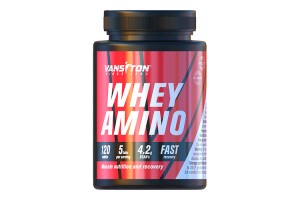
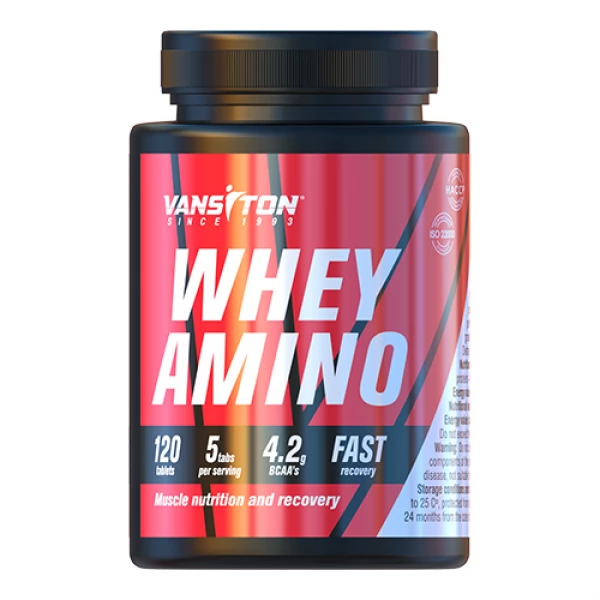
The Whey Amino amino acid complex consists of whey protein concentrate obtained by ultrafiltration, highly purified soy protein isolate (free of fats and carbohydrates), BCAAs, arginine, and L-glutamic acid. It is rapidly absorbed and has a pronounced anabolic effect.
It is used to restore nitrogen balance in the body, maintain endurance and performance during physical activity, and support muscle tissue recovery and growth. The complex stimulates protein biosynthesis, increases endurance, promotes faster recovery, and supports vascular health.
Directions:
On training days, take 5–6 tablets 40 minutes before the start of your workout and 5–6 tablets afterward. On non-training days, take 3–4 tablets between meals to increase the protein content of your daily diet.
When to Take Amino Acids
The most common time to take amino acids is 20–30 minutes before the start of a workout and 30 minutes after it ends. This regimen helps preserve muscle mass, increase endurance and energy, and burn fat more efficiently. Taking amino acids after a workout helps prevent muscle breakdown and stimulate protein synthesis.
You can take amino acids in the morning right after you wake up—this will help lower high cortisol levels and give your body the boost it needs. Consuming amino acids between meals will help maintain sufficient levels in the blood, support metabolism, and reduce appetite.
How many amino should you take?
Amino acid dosage is individualized; there is no single dose that works for all athletes or bodybuilders.
Typically, a single serving of amino acids is at least 5 g. An average daily intake of 5–10 grams, divided into two or three doses, is considered sufficient, and the best results can be achieved with a daily intake of 10–20 grams. Some athletes consume 15 to 30 grams of amino acids, but this depends on the sport and the intensity of training. It is important to note, however, that even in the most intense sports, you should not consume more than 1.7 g of supplements per 1 kg of body weight.
How to Take Amino Acids for Muscle Gain

To gain the desired muscle mass, you should take amino acids:
- before a workout to boost muscle performance, as the body receives an additional energy boost for an effective and productive workout.
- after your workout to take advantage of the “protein window,” when your body’s need for protein increases.
- in the morning upon waking to lower cortisol levels and quickly replenish your body with amino acids.
- before bed to nourish your muscles overnight and kickstart recovery and muscle growth processes.
If your goals include not only building muscle mass but also losing weight, you should increase the number of doses by adding an amino acid intake between meals throughout the day.
How to Choose Amino Acids
Goal. Before choosing a supplement, determine why you need amino acids—do you want to lose weight, build muscle, improve athletic performance, or support your immune system?
Ingredients. Carefully review the supplement’s ingredients and make sure it contains exactly what you need. Pay attention to the presence of artificial colors, synthetic ingredients, or other additives that may cause allergic reactions.
Form. Choose the form of the amino acid supplement that’s most convenient for you to use.
Capsules and tablets are convenient and easy to use; you can carry them with you, they don’t need to be mixed with anything, and they have a neutral taste.
Powders contain a higher dosage, are absorbed quickly, but aren’t very convenient to prepare. High-quality, authentic powdered amino acids dissolve well in water (except for BCAAs) and have a bitter aftertaste, so manufacturers may add certain flavorings to the powders.
Liquid amino acids are convenient to use and are quickly absorbed by the body. They are available as ready-to-use single-serving portions or in concentrated form, which must be diluted with water or juice.
Quality. Buy amino acid complexes from well-known, trusted manufacturers and at specialty stores that are accountable for product quality.
Price. Depends on quality, composition, form, and brand. Compare prices for similar products from different manufacturers—they should be roughly comparable. High-quality supplements cannot be very cheap, while counterfeit products will have no effect and may be harmful to your health.
Product condition. Check that the packaging is intact and verify the product’s expiration date. The consistency and color of the product should match the description on the label.
How to combine amino acids with other supplements?

Amino Acids and Protein Shakes
Since proteins are made up of amino acids, taking amino acid supplements along with protein can improve recovery and protein synthesis. However, it’s important to note that protein supplements (such as whey protein) already contain all the necessary amino acids, so taking individual amino acids separately may be advisable only when specifically needed—in cases of a deficiency in certain amino acids or to speed up recovery after intense workouts.
Compatibility with Pre-Workout Formulas
Pre-workout supplements often contain caffeine, creatine, beta-alanine, and other stimulants that boost energy and endurance and reduce fatigue.
The combination of amino acids and creatine is popular among athletes and bodybuilders, as both supplements help improve athletic performance. Creatine helps increase cellular energy reserves during intense physical activity, while amino acids—especially BCAAs—reduce muscle fatigue and speed up recovery. Taking these supplements together can help improve endurance and strength.
Glutamine, when combined with amino acids, helps with post-workout recovery, supports the immune system, reduces stress on the body during physical activity, and maintains adequate energy levels.
Combination with Vitamin Supplements
B vitamins, particularly B6, B9, and B12, are essential for amino acid metabolism—they help convert amino acids into energy and improve their absorption. B vitamins also support nervous system health, which is especially important during intense physical activity. Combining amino acids with B vitamins has a positive effect on the recovery process and overall well-being.
Combining amino acids with omega-3 fatty acids will help reduce inflammation in the muscles, speed up muscle recovery, and improve the overall condition of joints and tissues. Omega-3s are also important for maintaining cardiovascular health.
Combining amino acids with antioxidants, such as vitamins C and E, is also beneficial: it helps combat oxidative stress, reduce inflammation and tissue damage, alleviate post-workout soreness, and accelerate recovery.
Common Mistakes When Taking Amino Acids

Excessive consumption
Amino acids from dietary supplements are absorbed much faster than those found in food, since they do not need to be digested. Therefore, when taking amino acid supplements, you should carefully calculate the dosage.
Excessive consumption of amino acids, in addition to having no beneficial effect, can lead to unwanted side effects: nausea, digestive disorders, stomach pain, and metabolic disturbances. Furthermore, the elimination of unabsorbed residues will only increase the strain on the kidneys and liver.
Incorrect timing of intake
Amino acids should be taken according to your doctor’s recommendations and at specific times—before and after workouts, in the morning, or between meals—depending on the goal you wish to achieve. Haphazard intake of amino acid complexes reduces their effectiveness and disrupts the body’s balance. It is not recommended to consume amino acid complexes with regular meals or immediately after them —this slows down their absorption. Similarly, consuming amino acids immediately before a workout will not create the necessary conditions for building muscle mass or for post-workout muscle recovery.
Ignoring the manufacturer’s instructions
The manufacturer’s instructions contain all the necessary information about the composition, amount of active ingredients, dosage, and method of use. Read the instructions carefully before you start taking supplements. Be sure to consult a doctor or dietitian before starting to take dietary supplements.
Contraindications and Precautions
In general, there are no contraindications to the use of amino acids. If you follow the instructions on the label and take amino acids according to the recommended dosage, no side effects will occur.
In rare cases, an overdose may cause:
- gastrointestinal disturbances;
- allergic reactions in people with hypersensitivity to certain components of the supplement;
- nausea, diarrhea; headache, sleep disturbances;
- disorders of the excretory system.
People with chronic illnesses, kidney disease, or liver disease should exercise particular caution when taking dietary supplements. Monitor your body’s response, and if you experience any adverse reactions, stop taking the supplements and consult a doctor.
Scientific sources:
Supplements for Exercise and Athletic Performance — NIH Information for Healthcare Professionals
Position Statement from the International Society of Sports Nutrition: Protein and Exercise
Oral intake of branched-chain amino acids in athletes: a systematic review
Dietary Protein Intake and Human Health
Supplements for Exercise and Athletic Performance—NIH Consumer Information