What is guarana?
Guarana is a plant native to the Amazon Basin in South America, particularly common in Brazil. Guarana seeds have a high natural caffeine content, making them a popular stimulant and tonic. Guarana is used as an ingredient in soft drinks, energy drinks, and dietary supplements designed to boost energy levels and stimulate the body. Guarana is also included in some dietary supplements and weight-loss products.
Guarana improves concentration and memory, increases endurance, helps reduce fatigue, and improves mood.
As a dietary supplement, guarana has many beneficial properties:
- boosts energy levels;
- increases physical endurance;
- helps with weight loss;
- improves cognitive function;
- has antioxidant properties.

History of Guarana Use
The use of guarana has a long history associated with the indigenous tribes of the Amazon Basin. This plant was known and used by these tribes even before the arrival of European colonizers.
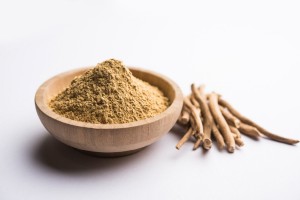
Guarana was used by indigenous peoples for its stimulating and tonic properties. They harvested guarana seeds, dried them, ground them into a powder, and consumed them as an infusion or used them to prepare beverages. This allowed them to maintain high levels of energy and endurance during hunts or long treks.
In the 17th century, guarana caught the attention of European travelers and naturalists. They became interested in its properties and began to study the plant. Over time, guarana became popular in Europe as an exotic dietary supplement and energy booster.
Today, guarana is used in many countries around the world, primarily as an ingredient in soft drinks and energy drinks. It is also available in the form of dietary supplements designed to boost energy, aid in weight loss, or improve cognitive function.
The Chemical Composition of Guarana
Guarana contains various chemical compounds, the most important of which are xanthines (such as caffeine, theophylline, and theobromine), catechins, saponins, tannins, and flavonoids. The main active ingredient is caffeine, which is found in significant quantities in guarana seeds.
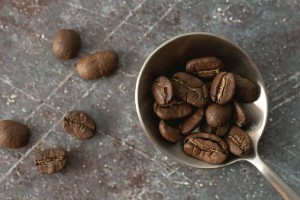
The chemical composition of guarana can vary depending on the plant’s maturity, growing conditions, and processing methods. On average, it contains about 2–6% caffeine. This is approximately twice as much as in coffee beans. In addition, guarana also contains other xanthines, such as theophylline and theobromine, which have similar stimulant properties.
Guarana also contains catechins, which are a type of flavonoid known for their antioxidant properties. It also contains saponins, which have anti-inflammatory and antimicrobial properties. Furthermore, guarana contains flavonoids, which are compounds with antioxidant and anti-inflammatory properties.
Health Benefits of Guarana
Guarana boosts alertness, improves cognitive function, aids in weight loss, contains antioxidants, and improves mood.
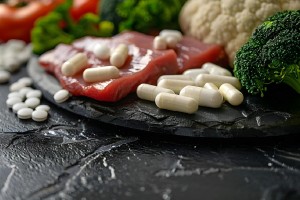
Guarana is also used in sports nutrition as a liquid energy drink, in capsules, or as a concentrate.
Contains antioxidants
Guarana contains various antioxidants that play an important role in protecting the body from the harmful effects of free radicals.
The general benefit of antioxidants is their contribution to combating oxidative stress, which can help reduce the risk of developing chronic diseases, prevent cell damage, and maintain overall health.
It is important to note that the antioxidants in guarana may work in synergy with other compounds found in the plant and have a comprehensive effect on the body.
The main classes of antioxidants present in guarana include catechins, tannins, and flavonoids.
- Catechins are a type of flavonoid and are known for their powerful antioxidant properties. They help neutralize free radicals, which can damage cells and cause inflammation and aging.
- Tannins are polyphenolic compounds that also possess strong antioxidant properties. They protect cells from oxidative stress and prevent DNA damage. Tannins are also known for their ability to bind to metals in the body, which helps eliminate them.
- Guarana contains various flavonoids, such as quercetin, kaempferol, and rutin. These compounds are known for their antioxidant properties and ability to protect cells from oxidative stress. They may help reduce inflammation, improve blood circulation, and have potential antiviral properties.
Promotes Energy and Concentration
Guarana contains caffeine, one of the main active ingredients that helps boost energy and improve concentration.
The caffeine in guarana acts as a central nervous system stimulant. It stimulates neurons in the brain, leading to increased alertness and improved attention.
Caffeine promotes the release of adrenaline in the body, which boosts energy levels and increases endurance during physical activity. It can help reduce fatigue and improve physical performance.
Caffeine improves cognitive functions such as memory, attention, and concentration. It affects receptors in the brain, increasing the production of neurotransmitters responsible for cognitive processes.
Supports learning and memory
Guarana improves attention and focus thanks to its high concentration of caffeine. It stimulates neurons in the brain, increasing the production of neurotransmitters such as norepinephrine and dopamine, which support cognitive processes. This can be beneficial during study sessions and when performing tasks that require attention and concentration.
Guarana can also improve memory by affecting receptors in the brain. This helps improve memory processes and enables you to better perform tasks focused on memorizing new material.
May Be Beneficial for the Skin
Guarana contains antioxidants such as polyphenols and catechins. These compounds help protect the skin from damage caused by free radicals and oxidative stress. They help reduce inflammation, improve skin texture, and prevent signs of aging, such as wrinkles and pigmentation.
Guarana stimulates blood microcirculation, which helps improve the skin’s appearance. In addition, the caffeine found in guarana can reduce puffiness and tighten the skin, making it more elastic and healthy.
Guarana also contains a number of vitamins and minerals, such as vitamin C, vitamin E, biotin, and zinc. These nutrients are important for skin health because they promote cell regeneration, support collagen and elastin, and provide protection against harmful environmental factors.

Recommendations for Guarana Dosage and Use
Guarana dosage and use may vary depending on the specific product and individual needs. However, here are some general recommendations:
- Dosage. The recommended dose of guarana typically ranges from 200 to 800 mg per day. However, you should follow the instructions on the packaging of the specific product or consult a specialist for the exact dose.
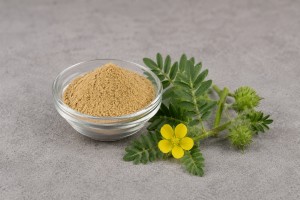
- Form. Guarana is available in various forms, such as capsules, powder, beverages, or extracts. Choose the form that best suits your needs and is convenient for you to take.
- Time of consumption. Guarana contains caffeine, so it’s recommended to avoid taking it before bedtime, as this may affect the quality of your sleep. It’s best to take guarana in the morning or during the day to boost alertness and energy.
- Individual Sensitivity. It’s important to note that reactions to guarana can vary from person to person. Some people may be more sensitive to caffeine, so it is recommended to start with lower doses and monitor your body’s reaction.
- Consult a specialist. If you have certain medical conditions, are pregnant, or have skin problems, it is recommended to consult a doctor or specialist before starting to consume guarana.
These are general recommendations; it is very important to follow the instructions on the packaging of the specific product and to consult a doctor if you have any doubts or questions.

Possible Side Effects and Contraindications of Guarana Use
Side effects of guarana may include:
- Nervous System. Guarana contains significant amounts of caffeine, which can cause nervous irritability, anxiety, insomnia, and restless sleep.
- Gastrointestinal tract. Consuming guarana may cause gastrointestinal disturbances such as nausea, vomiting, constipation, stomach discomfort, and diarrhea.
- Cardiovascular system. High doses of guarana can increase heart rate, raise blood pressure, and cause cardiac arrhythmia. This is especially true for people with heart problems or high blood pressure.
- Other side effects. Some people may experience headaches, irritability, nervousness, tremors, increased urination, and other symptoms after consuming guarana.
Contraindications for guarana use include:
- Allergies to guarana or caffeine intolerance.
- Pregnancy and breastfeeding.
- Chronic medical conditions and the use of certain medications, such as antidepressants and anticoagulants.
Scientific sources:
Guarana: A Re-examination of a High-Caffeine Plant
Guarana — LiverTox: Clinical and Scientific Information on Drug-Induced Liver Injury
Rapid Simultaneous Determination of Methylxanthines and Proanthocyanidins in Brazilian Guarana
The impact of guarana consumption on human health: a narrative review