
What is caffeine?
Caffeine is a natural stimulant that affects the central nervous system. It is a chemical compound belonging to the xanthine class and is commonly found in coffee, tea, carbonated beverages, and certain other products.
Caffeine’s primary effect is to block the action of the neurotransmitter adenosine, which influences the functioning of the central nervous system and is responsible for feelings of drowsiness. When adenosine is blocked, the release of other neurotransmitters, such as dopamine and norepinephrine, increases, leading to greater alertness and improved concentration.
Caffeine can also affect the heart, respiratory system, and other organs. It is important to note that large amounts of caffeine can cause unwanted effects, such as nervousness, insomnia, and even anxiety. Each person’s reaction to caffeine may vary, so it is important to consume it with caution.
Chemical Structure and Sources of Caffeine
Caffeine is a xanthine with the chemical formula C8H10N4O2. Its structure consists of four nitrogen atoms, along with some carbon and oxygen. It is an alkaloid belonging to the methylxanthine group.
Coffee beans contain a significant amount of caffeine. The amount depends on the type of coffee and the brewing method. Typically, one cup of brewed coffee (240 ml) can contain between 95 and 165 mg of caffeine. However, certain types of coffee or highly concentrated brewing methods, such as espresso, may contain more caffeine. Coffee also contains antioxidants, vitamins, minerals, and other bioactive compounds that may be beneficial to health.
Tea leaves, especially green and black tea, also contain caffeine, although in smaller amounts than coffee. Green tea typically contains about 20–45 mg per cup (240 mL), while black tea has a significantly higher amount of caffeine—somewhere between 40 and 70 mg per cup. Tea is also rich in antioxidants, such as flavonoids, amino acids, vitamins, and minerals.
Cacao beans, from which chocolate is made, surprisingly also contain caffeine. However, the caffeine content is significantly lower than that of coffee and tea. Dark chocolate may contain more caffeine than milk chocolate due to a higher concentration of cacao beans in its composition, rather than flavor additives. The amount of caffeine in chocolate ranges from 5 to 30 mg per 28-gram serving. Chocolate also contains theobromine, flavonoids, and other phytochemicals. Moderate consumption of chocolate is beneficial for the cardiovascular system and can improve mood.

How Caffeine Affects the Body
Caffeine is a natural stimulant that has a variety of effects on the body, which explains its popularity as an energy drink. It is important to understand how this substance interacts with different body systems:
Central Nervous System (CNS): Caffeine affects the central nervous system by blocking adenosine receptors. Adenosine is a substance that promotes fatigue and relaxation. Blocking its receptors leads to increased release of neurotransmitters such as dopamine and norepinephrine, which results in improved mood and increased alertness.
Cardiovascular System: Caffeine can cause a temporary increase in blood pressure and heart rate. This can be beneficial for increasing blood flow and boosting energy levels in the body.
Respiratory System: Caffeine can dilate the airways, helping to ease breathing and improve blood oxygenation.
Gastrointestinal Tract: High doses of caffeine can irritate the gastrointestinal tract and increase gastric acid production. In some cases, this can lead to digestive disorders.
Metabolism: Caffeine speeds up metabolism and promotes the release of fats from cells, which may be beneficial for those who engage in physical activity. It also gives the body a temporary feeling of fullness.
Although moderate caffeine consumption can be beneficial for many people, it is important to consider individual sensitivity and follow recommendations regarding daily intake to avoid negative effects.
Recommended Daily Caffeine Intake
The recommended daily caffeine intake may vary depending on a person’s age, gender, and lifestyle. General recommendations are provided below, but it should be noted that individual sensitivity to caffeine can greatly influence what amount is considered safe for a specific person.
Adults:
Generally, adults are advised not to exceed 400 mg of caffeine per day, which is roughly equivalent to three cups of brewed coffee (240 ml each) or four cups of tea (about 250 ml).
Pregnant and breastfeeding women:
It is recommended to limit caffeine intake during pregnancy to 200 mg per day, as high doses of caffeine can have a negative effect on fetal development.
Children and adolescents:
It is recommended that children and adolescents significantly limit their caffeine intake. Since their bodies are not yet adapted to metabolizing it normally, caffeine can cause hyperactivity and other side effects. Typically, the recommended daily limit for adolescents is about 100 mg, and for younger children, it is approximately 50 mg, which is equivalent to 3–4 pieces of dark chocolate.
Athletes and physically active individuals:
Athletes and individuals who lead an active lifestyle can consume more caffeine, as physical activity causes it to be eliminated from the body more quickly. In addition, caffeine consumption can increase endurance and ensure better physical performance. However, it’s important to monitor your total caffeine intake throughout the day.
Individual sensitivity to caffeine can vary significantly, so it’s important to listen to your body and pay attention to how it reacts. If you have certain medical conditions or are pregnant, it’s best to consult a doctor about your optimal caffeine intake.
General Tips

Everyone reacts differently to caffeine. You should listen to your own body and observe how you react to different doses of caffeine. The generally recommended daily caffeine intake for adults is between 200 and 400 mg. Be sure to account not only for coffee but also for other sources of caffeine, such as tea, chocolate, and even pills (caffeine is often added to them to enhance effectiveness, such as in cold remedies).
Avoid consuming caffeine for 6–8 hours before bedtime to ensure restful and healthy sleep. We also recommend limiting caffeine intake during stressful or tense periods, as it can increase feelings of anxiety and even trigger panic attacks.
Water remains the body’s primary component, essential for its proper functioning. Do not substitute your daily water intake with coffee or tea. On the contrary, these beverages promote rapid fluid loss. Therefore, be sure to drink enough water throughout the day.
If you have any medical conditions or are taking medication, consult your doctor or a nutritionist about the optimal level of caffeine intake for your specific situation. Balanced and moderate caffeine consumption can help you enjoy its effects without negative health consequences.
Factors Affecting Caffeine Sensitivity
Caffeine sensitivity is an individual trait that can vary significantly from person to person. It is influenced, in particular, by such fundamental factors as:
- Genetics. There is a genetic component to caffeine sensitivity. People can inherit different gene variants that determine how quickly the body metabolizes caffeine.
- Individual enzyme levels. Enzymes such as cytochrome P450 1A2 are responsible for processing caffeine in the body. Different people may have different levels of activity for these enzymes, which affects the rate at which caffeine is eliminated.
- Frequency of caffeine consumption. Those who consume caffeine regularly may develop a tolerance to its effects. Their bodies may adapt, and more caffeine may be needed to achieve the same stimulating effects.
- Weight and health status. Your weight and any chronic health conditions can also affect your sensitivity to caffeine. People with lower body weight may feel the effects of caffeine more intensely.
- Age. Sensitivity to caffeine may change with age. Some people, especially children and adolescents, may be more sensitive to the stimulating effects of caffeine.
It is important to consider these factors to avoid negative health consequences. People with certain medical conditions or who are taking medications are advised to consult a doctor regarding the safety of caffeine consumption.
How much coffee can you drink per day?
Recommendations regarding coffee intake may vary depending on the country and the organization that published them. However, several general recommendations from the WHO and EFSA, which can serve as a starting point, indicate that the average person should not consume more than 400 mg of caffeine per day.
It is important to note that sensitivity to caffeine can vary from person to person. Some people may feel the effects even at lower doses. In addition, pregnant women and individuals with certain medical conditions may need personalized recommendations for limiting caffeine intake.

The Impact of Different Types of Coffee on the Daily Caffeine Intake Limit
The amount of caffeine can vary depending on the coffee variety and its origin. The main types of coffee, typically distinguished by their caffeine content, are Arabica, Robusta, and blends, which may include varying proportions of these two types.
Arabica is known for its refined flavor and lower caffeine content compared to Robusta. Arabica coffee typically contains between 1.0% and 1.5% caffeine. This type of coffee is characterized by a more refined flavor and aroma.
Robusta contains significantly more caffeine than Arabica. The caffeine content in Robusta can range from 2.0% to 2.7%. Its high caffeine content makes this variety less expensive for producers, and it is known for its strength and bitterness.
Blends are mixtures of coffee varieties that may contain both Arabica and Robusta in varying proportions. The amount of caffeine in a blend depends on the specific ratio of the varieties it contains. Typically, a blend containing more Robusta will also have a higher caffeine content.
As for the popular coffee drinks we’re accustomed to consuming throughout the day, here are the approximate caffeine contents of some of them:
- Espresso—a single serving of about 30 ml typically contains around 63 mg of caffeine. The recommended daily intake for many adults is equivalent to about 6–7 servings of espresso.
- A 240-ml cup of filter coffee can contain approximately 95 to 200 mg of caffeine, depending on the type of coffee and the brewing method. The recommended daily intake is 2–3 cups of filter coffee.
- A latte is a beverage made with espresso and milk, and its caffeine content depends on the amount of espresso used. Typically, one serving of latte (approximately 240 mL) can contain about 63–127 mg of caffeine. The recommended daily intake is 3–4 cups.
- Instant coffee can have varying caffeine content depending on the type of coffee used to make it. Therefore, it is recommended to check the caffeine content information on the package before consumption. One cup of instant coffee may contain approximately 60 to 100 mg of caffeine, so consuming 2–4 cups of instant coffee per day is considered normal.
It is important to note that caffeine content can also be influenced by the method of processing the beans, growing conditions, and coffee production technology. These are only approximate average figures, and specific values may vary depending on the particular manufacturer and the region where the coffee beans are grown.
Tips for Safe Coffee Consumption
Tips for safe coffee consumption include several key aspects. First and foremost, it’s important to monitor your daily caffeine intake and follow recommendations from health organizations, which often set a limit of 200–400 mg of caffeine per day. Individual sensitivity to caffeine can vary significantly, so listen to your body and take this factor into account.
Additionally, avoid drinking coffee before bedtime to reduce the likelihood of insomnia and improve sleep quality. It’s best to drink coffee during or after a meal to avoid irritating your gastrointestinal tract. Coffee can be part of your diet, but it’s important that other aspects of your diet are also balanced and meet your nutritional needs.
Be aware of other sources of caffeine. It can be found in tea, carbonated beverages, chocolate, and medications. Limit the amount of sugar and cream you add to your coffee, as this can increase the drink’s calorie content. If you experience unpleasant effects from drinking coffee, consider reducing your intake or limiting your consumption.
Before making any changes to the amount of coffee you drink, it is recommended that you consult a dietitian or doctor, especially if you have certain medical conditions or are taking medications.
Potential Risks and Side Effects of Excessive Caffeine Consumption

Excessive caffeine consumption can lead to a number of potential health risks and cause certain side effects. In particular, it can cause insomnia, increase the risk of cardiovascular disease, and raise blood pressure. In addition, unpleasant symptoms such as nervousness, anxiety, gastrointestinal disturbances, and hand tremors may occur. For certain groups, such as pregnant women, people with specific medical conditions, or those who are particularly sensitive to caffeine, it is important to adhere to recommended intake limits to avoid negative health consequences.
Heart Health and Caffeine
The effects of caffeine on heart health are the subject of research and debate among scientists. In moderate amounts, caffeine can have a positive effect on heart function. Coffee contains antioxidants that protect the cardiovascular system from free radicals, and it may also help dilate blood vessels and prevent certain heart diseases.
On the other hand, excessive caffeine consumption can cause an increase in blood pressure and even tachycardia, which can negatively affect heart function, especially if you have any chronic conditions.
People with heart problems or high blood pressure are advised to consult a doctor regarding their optimal level of caffeine intake. A general recommendation is moderate caffeine consumption in the morning, with a target dose of 200–300 mg per day for adults.
Other Possible Negative Effects

Excessive caffeine consumption can lead to a number of other negative effects, including nervousness, anxiety, and gastrointestinal disturbances. Caffeine is a central nervous system stimulant, and high doses can cause increased irritability, nervousness, and even panic attacks in people prone to anxiety.
Increased anxiety may also result from caffeine’s effect on the release of adrenaline and other stress hormones. In some cases, this can lead to an increased heart rate and high blood pressure.
As for the gastrointestinal tract, caffeine can irritate the stomach lining and increase the production of gastric juice. It can also cause gastrointestinal disorders, such as a pronounced unpleasant taste in the mouth or even stomach ulcers.
Research on this topic is being conducted to provide a more detailed picture of caffeine’s effects on the body and to establish optimal doses and individualized recommendations. Some of these studies suggest a possible link between excessive caffeine consumption and certain adverse effects, particularly in sensitive populations.
Coffee Alternatives to Reduce Caffeine Intake
For those who want to reduce their caffeine intake, there are various coffee alternatives that can provide energy and help maintain vitality. A variety of herbal teas, such as lemongrass, mint, or rosemary, have invigorating and stimulating effects, as well as a pleasant taste and aroma.
It’s also helpful to include beverages made from buckwheat, oats, or almonds in your diet; these are caffeine-free but can provide a pleasant taste and help maintain your energy levels. By experimenting with these alternatives, you can find a beverage that suits your individual preferences.
Decaffeinated Coffee and Other Beverages
Decaffeinated coffee and other low-caffeine beverages are popular choices for those seeking an alternative to regular coffee.
Decaf, or decaffeinated coffee, is made from beans that have undergone a process to remove or reduce the caffeine. It retains the flavor and aroma of regular coffee but contains significantly less caffeine. This is an excellent option for those who want to enjoy the taste of coffee without the stimulating effects of caffeine.
Matcha is a traditional Japanese tea made from young tea leaves that are ground into a powder. Its rich flavor and high content of amino acids, especially theanine, make matcha an ideal choice for those looking for an alternative to coffee. The theanine in matcha has a pleasant relaxing effect, while caffeine energizes the body, creating a balanced effect.
Chicory is a plant whose roots are used to make a coffee-like beverage. Chicory-based drinks have a pleasant taste and aroma, are caffeine-free, and can be an excellent alternative for those looking for a beverage with less caffeine or wanting to expand their selection of hot drinks.
Rooibos is an African herbal beverage made from the leaves of the Aspalathus linearis plant. It is caffeine-free and has a pleasant sweet taste with a hint of tartness. Rooibos contains a high amount of antioxidants and other beneficial compounds, promoting overall health. This beverage is an excellent option for those who want to cut out caffeine and enjoy a caffeine-free lifestyle.
Natural Energy Boosters

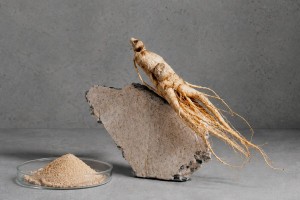
Among natural energy boosters that invigorate the body and lift your mood, there are many interesting options even for the most discerning consumer. One alternative to coffee is ginseng, a plant known for its adaptogenic properties and its ability to increase endurance and energy levels.
Two other natural stimulants are schisandra and maca root. Schisandra, or lemon grass, has a pleasant citrus aroma and a mild tonic effect. It contains aromatic compounds that can invigorate and help relieve fatigue. Peruvian maca was used in ancient Inca medicine. It has a proven tonic and stimulating effect on the body, increasing strength and endurance.
Guarana is another popular energy stimulant. It is produced from the seeds of the guarana fruit (Paullinia cupana) and originates from South America. This plant is known for its high content of naturally occurring caffeine, making it a popular choice for those seeking the energy and alertness that coffee can provide.
The main difference between guarana and regular caffeine is that guarana also contains tannins and theobromine, which contribute to a smoother and longer-lasting release of energy. This can result in less pronounced symptoms of nervousness and hand tremors that may occur as a result of consuming regular coffee. For example, Guarana Capsules No. 60 is a natural energy booster with a mild and long-lasting effect that provides vitality and energy, increases endurance, and improves physical and mental performance.
By considering these natural alternatives, you can find an energy booster that’s right for you. However, before making significant changes to your diet, it is recommended that you consult a healthcare professional or a dietitian.
Conclusion and Recommendations
Coffee consumption can be part of a balanced diet for many people; however, it is important to adhere to recommended doses and take individual sensitivity into account. Matcha, rooibos, and guarana are natural alternatives to caffeine for those seeking healthy supplements and decaffeinated beverages.
For most adults, caffeine intake of 200–400 mg per day is considered safe. Coffee can help boost alertness and concentration by stimulating the central nervous system. However, those prone to anxiety or experiencing sleep problems should exercise caution when consuming caffeine.
Studies confirm that long-term, moderate coffee consumption is associated with a reduced risk of heart disease and improved cognitive function. But if you’ve developed a tolerance to caffeine or feel unwell without it, you should consult a doctor and limit your intake.
Overall, the key to healthy caffeine consumption lies in controlling your coffee intake and trying various alternatives. Follow your doctor’s recommendations, eat a balanced diet, monitor your health, and enjoy coffee for its natural flavor rather than as a way to wake up in the morning.
Scientific sources:
How Much Caffeine Is Too Much? — U.S. Food and Drug Administration (FDA)
Individual differences in caffeine metabolism and factors influencing caffeine intake — PubMed
The Effect of Caffeine on Subsequent Sleep: A Systematic Review and Meta-Analysis — PubMed
Coffee, Caffeine, and Cardiovascular Health: An Updated Systematic Review and Meta-Analysis — PubMed
Coffee, caffeine, and health effects: a review of systematic reviews — PubMed
Foods and drinks to avoid or limit during pregnancy: caffeine — NHS