What Is Vitamin A?
Vitamin A, also known as retinol, is a fat-soluble vitamin that plays an important role in various bodily functions. This vitamin is essential for eye health, normal growth and development of the body, and immune system function.
One of the main sources of vitamin A is foods that contain it in the form of retinol. These include fatty fish, dairy products, eggs, and liver. In addition, beta-carotene can be obtained from carotenoids found in red and orange vegetables and fruits, such as carrots, watermelon, apricots, and others.
Vitamin A deficiency can lead to vision problems, immunodeficiency, and underdevelopment of the body’s organs and systems. On the other hand, an excess of vitamin A can also be harmful and cause toxicity, so it is important to adhere to the recommended dose when taking it as a dietary supplement.
The Benefits of Vitamin A for the Human Body
Vitamin A has many beneficial properties for the human body. Here are a few of the main ones:
- Visual Function: Vitamin A is essential for eye health and the proper functioning of the visual system. It helps maintain visual acuity, improves the eyes’ adaptation to darkness, and prevents the development of night blindness.
- Development and growth: Vitamin A is important for normal growth and development, especially during childhood. It helps strengthen bones, teeth, and tissues, as well as support the normal development of internal organs.
- Skin health: Vitamin A is important for maintaining healthy skin. It promotes the production of collagen, which helps keep the skin elastic and youthful. It can also help treat acne and other skin problems.
- Immune Support: Vitamin A plays an important role in supporting the normal functioning of the immune system. It strengthens the barrier functions of the skin and mucous membranes, which helps prevent the entry of harmful microorganisms.
- Reproductive health: Vitamin A is important for the reproductive system in both men and women. It affects sperm function, supports normal hormonal function, and ensures healthy fetal growth during pregnancy.
These are just a few of the many beneficial properties that vitamin A provides to the human body. It is important to note that the recommended daily intake of vitamin A may vary depending on a person’s age, gender, and individual needs.

Additional Benefits of Vitamin A for Athletes
An additional benefit of vitamin A for athletes is its positive effect on physical endurance, post-workout recovery, and overall athletic performance. Here are a few ways vitamin A benefits athletes :
- Strengthening the immune system: Intense training can negatively affect an athlete’s immune system and increase the risk of illness. Vitamin A supports normal immune system function by strengthening the barrier functions of the skin and mucous membranes, which helps prevent various infections.
- Muscle recovery: After workouts, muscles need time to recover and regenerate. Vitamin A supports normal tissue function and cell regeneration, which can promote faster muscle recovery and reduce muscle stress.
- Protection against oxidative stress: Intense physical activity can lead to high levels of oxidative stress in the body. Vitamin A is a powerful antioxidant that helps neutralize free radicals and prevents cell damage.
- Bone health: Vitamin A supports bone and dental health, which is especially important for athletes since they subject their bodies to significant stress. It supports bone density and may help prevent injuries and fractures.
Considering all these factors, vitamin A may offer additional benefits to athletes by improving their overall physical condition and performance. However, it is important to stick to the recommended doses and not exceed them without consulting a doctor or dietitian.
Symptoms of Retinol Deficiency
A deficiency in retinol, a form of vitamin A, can cause the following symptoms. Here are some of them:
- Decreased night vision: One of the main symptoms of retinol deficiency is a decline in the ability to see in the dark. People may find it difficult to distinguish objects in low light or at night.
- Dry eyes: A retinol deficiency can lead to dry eyes and a feeling of irritation. The eyes may become sensitive to light, and redness and itching may occur.
- Skin problems: A vitamin A deficiency can affect skin health. Symptoms include dry skin, flaking, loss of natural luster, and even the appearance of rashes or acne.
- General weakness: A retinol deficiency can affect overall energy levels and physical condition. People may experience fatigue, weakness, and reduced endurance during physical activity.
- Growth and development issues: In children, a retinol deficiency can lead to stunted growth and development, as well as problems with tooth and bone formation.
If you experience these symptoms, it is important to see a doctor for diagnosis and consultation. They will be able to confirm the diagnosis and recommend the best course of vitamin therapy to restore beta-carotene levels in the body.
What foods contain vitamin A?

Vegetables that contain vitamin A
Carrots are one of the best-known sources of beta-carotene. They are high in carotene, which the body converts into vitamin A.
Red, orange, and yellow bell peppers are also excellent sources of vitamin A. They are also rich in antioxidants that promote overall health.
Pumpkin contains a large amount of carotene, which is converted into vitamin A. It also contains important minerals and antioxidants.
Zucchini is also an excellent plant-based source of vitamin A. It is low in calories but rich in vitamins and minerals.
Broccoli contains carotenoids, which the body converts into vitamin A. It is also a source of many other beneficial nutrients.
Spinach contains large amounts of vitamin A, as well as iron and other beneficial nutrients. This helps maintain healthy skin, eyes, and the immune system.
These vegetables can be included in a variety of dishes, salads, and soups, or prepared on their own to ensure adequate levels of vitamin A in the body. It’s important to remember that the optimal intake of vitamin A may vary depending on individual needs and the recommendations of nutrition experts.
Fruits Containing Vitamin A
Mangoes are a delicious and juicy fruit that contain significant amounts of vitamin A. They are also rich in antioxidants that promote good health.
Apricots are also known for their vitamin A content. They can be eaten fresh or used in various dishes.
Watermelon is a refreshing fruit that contains vitamin A. It is also rich in water, which helps keep the body hydrated.
Peaches contain vitamin A, which supports the health of the skin, eyes, and immune system. They are also rich in fiber and antioxidants.
Red grapefruit is another fruit that contains vitamin A. It also contains large amounts of vitamin C and other beneficial nutrients.
Oranges, especially the orange varieties, also contain vitamin A. They are a delicious and refreshing source of this vitamin.
The vitamin A found in these fruits will help ensure adequate levels of this nutrient in the body. The recommended daily intake may vary depending on age, gender, and individual needs, so it is important to follow the recommendations of nutrition experts.
Animal-based foods containing vitamin A
Vitamin A is found in various foods, including some of animal origin:
Fish: A particularly beneficial source of vitamin A is fatty fish, such as salmon, sardines, cod, and tuna.
Dairy products: Milk, cheese, yogurt, and cream also contain vitamin A. They are a good source of this micronutrient for people who do not eat meat or fish.
Liver: Animal liver, such as beef liver, contains large amounts of vitamin A. However, it’s important to note that liver is also high in cholesterol, so it should be consumed in moderation.
Eggs: Egg yolks contain vitamin A, unlike egg whites. Therefore, it’s best to focus on eating yolks or whole eggs.
Many animal-based foods have a variable composition of vitamins and minerals, which depends on what the animals ate and how they were raised. Therefore, it is important not only to balance your diet but also to take supplements when necessary.
How to Correct a Vitamin A Deficiency
A vitamin A deficiency can be corrected by following some helpful tips. Here are a few ways that may help:
You should eat foods rich in vitamin A, such as fish, dairy products, eggs, red and orange vegetables (carrots, bell peppers, pumpkin), and dark leafy greens (spinach, dill, broccoli). Eating these foods will help ensure your body gets enough vitamin A.
If you have a severe vitamin A deficiency, you can consult a doctor or a nutritionist to discuss taking vitamin supplements. It is important to follow dosage recommendations and not exceed the recommended daily intake.
Proper preparation of foods containing vitamin A can help preserve their beneficial properties. Be careful not to overcook vegetables in water to avoid excessive loss of vitamin A from your food.
There is some evidence of a link between high consumption of alcohol and nicotine and vitamin deficiencies in the body. Reducing your intake of these substances can help ensure normal levels of essential micronutrients in the body.
Food options high in vitamin A
When you want to eat a healthy and varied diet, it’s important to eat food that’s not only nutritious but also delicious. That’s why searching for new and interesting recipes is a regular part of life for people who follow a healthy diet or a specialized diet. Here are a few options for healthy dishes high in vitamin A:
- Cream of Carrot Soup: Make a delicious cream soup with carrots, onions, celery, and vegetable broth. Add a little butter for a delicate flavor. This soup will be rich in vitamin A.
- Cabbage and Carrot Salad: Mix chopped red and white cabbage with thinly sliced carrots. Add walnuts or flaxseeds, whichever you prefer. Drizzle with lemon dressing or olive oil.
- Roasted Pumpkin: Cut the pumpkin into cubes, drizzle with olive oil, and season to taste. Bake in the oven until tender. This delicious and filling dish is rich in vitamin A.
- Spinach Omelet: Beat the eggs with spinach and thinly sliced onion. Cook the omelet in a preheated skillet with olive oil. Spinach is among the foods that contain large amounts of vitamin A.
- Fruit salad with mango and oranges: Chop fresh mango and oranges into pieces. Mix them in a bowl and add finely chopped mint.
- Braised vegetables with zucchini: Chop the zucchini, carrots, and onion, and braise them in a skillet with broth or water. Season to taste and serve with porridge or pasta.
Vitamin A in supplements

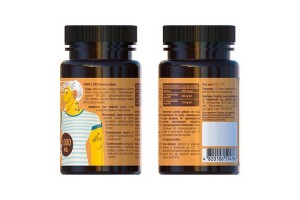
Country Life Dry Vitamin A is a dietary supplement that contains a daily dose of vitamin A. It plays an important role in bone growth, maintaining healthy vision, supporting the immune system, and promoting cell division. Taking this supplement helps increase red blood cell count, improves vision, has a restorative effect on the eyes, supports the respiratory system, urinary tract, and digestive tract, and helps protect the skin and mucous membranes from bacteria and viruses. Country Life Vitamin A 10,000 IU contains compounds called retinoids, which are essential for good vision and gene expression. Retinoids play an important role in the differentiation of stem cells into white blood cells, red blood cells, and body tissues; they help strengthen the heart, support hearing health, and strengthen bones. In addition, Vitamin A is a source of beta-carotene—an antioxidant that helps prevent cancer.