What Are Omega-3s?
Omega-3s are a group of polyunsaturated fatty acids that play an important role in the functioning of the human body.
The best-known and most important members of the omega-3 group are:
- alpha-linolenic acid (ALA);
- eicosapentaenoic acid (EPA);
- docosahexaenoic acid (DHA).
Omega-3s play a key role in maintaining cardiovascular health, help reduce the risk of heart disease, and lower triglyceride levels and inflammatory markers. In addition, omega-3s have a positive effect on brain and vision development, support joint health, and help reduce the risk of certain neurodegenerative diseases.

Health Benefits of Omega-3 for Women
- Reduced inflammation. Omega-3 has anti-inflammatory properties that help reduce inflammation in the genitourinary system and throughout the body. This can be especially beneficial for women who experience genitourinary health issues or conditions such as endometriosis or vaginitis.
- Support for Reproductive Health. Omega-3 supports the health of the reproductive system. Studies show that adequate levels of omega-3 in the body can support proper ovarian and uterine function, as well as promote healthy embryonic development during pregnancy.
- Regulating Hormonal Balance. Omega-3 influences hormonal balance, which is especially important for women during their menstrual cycle and menopause. Optimal omega-3 levels may help reduce discomfort and other unpleasant symptoms associated with hormonal changes.
- Reducing the risk of inflammatory diseases. Omega-3 may help reduce the risk of developing inflammatory diseases of the pelvic organs, chronic vaginitis, or infections of the genitourinary system.
Supports heart health
Omega-3 fatty acids, particularly eicosapentaenoic acid (EPA) and docosahexaenoic acid (DHA), help keep the heart healthy and reduce the risk of heart disease.
Optimal levels of omega-3 lower triglyceride levels, which negatively affect the functioning of the cardiovascular system. Omega-3 helps dilate arteries and lower blood pressure, which promotes healthy blood circulation and reduces the strain on the heart.
Omega-3 helps prevent the formation of blood clots, which can lead to a heart attack or stroke. It supports a healthy heart rhythm and promotes normal heart muscle function. Omega-3 can lower levels of “bad” cholesterol (LDL) and increase levels of “good” cholesterol (HDL), which supports heart health.
May relieve menstrual pain
Omega-3 has anti-inflammatory properties that help relieve menstrual pain in some women. Pain may accompany menstruation and cause discomfort during this time.
Omega-3 fatty acids help lower levels of prostaglandins, which are chemical compounds that cause inflammation and increased uterine contractions during menstruation. Lowering prostaglandin levels may help reduce the cramps and pain that typically occur during menstruation.
Women who took omega-3 supplements in various forms (soluble capsules, fish oil, or dietary sources of omega-3) periodically or during their menstrual period generally experienced a reduction in the intensity of pain and uterine contractions.
Helps prevent osteoporosis
Omega-3 has anti-inflammatory properties that may help reduce inflammation, which leads to bone loss and decreased bone density.
Omega-3 fatty acids support normal levels of calcium, magnesium, and other minerals essential for healthy bones. Additionally, an optimal amount of this nutrient helps preserve collagen, which is the primary protein responsible for bone structure. Taking omega-3 helps maintain a balance between omega-3 and omega-6 fatty acids in the body.
Supports a healthy pregnancy
Omega-3 plays a significant role in supporting a healthy pregnancy and optimal fetal development. Docosahexaenoic acid (DHA), a form of omega-3, is a key component of the brain and the eyes. The fetus particularly needs DHA for the normal development of these organs, especially during the last two trimesters of pregnancy.
A balanced fatty acid profile in the body helps reduce the risk of preterm birth, as omega-3s reduce inflammation and improve the strength of the amniotic membrane. Omega-3s support the cardiovascular health of pregnant women by reducing the risk of high blood pressure, preeclampsia, and other complications that may arise during pregnancy.
Pregnancy can be a time of emotional stress, and omega-3s can help maintain a positive mood and support mental health. Adequate intake of omega-3 fatty acids reduces the risk of allergies in the fetus, especially food allergies.

The Importance of Maintaining a Balance of Omega-3, -6, and -9 for a Woman’s Body
Omega-3, omega-6, and omega-9 are all polyunsaturated fatty acids, and each has its own unique properties and functions.
- Omega-3 fatty acids have anti-inflammatory properties and play an important role in maintaining cardiovascular health, supporting brain and vision development, maintaining healthy joints, and preventing inflammation. Omega-3 helps reduce the risk of heart disease, prevent preterm birth, improve mood, and support healthy skin.
- Omega-6 fatty acids are important, but in large amounts they can contribute to inflammation if the balance is not maintained. Some omega-6 fatty acids may increase the risk of inflammation associated with chronic diseases. Omega-6 fatty acids are also essential for the body, but their intake in the diet must be balanced with omega-3 intake.
- Omega-9 fatty acids, such as oleic acid, have anti-inflammatory properties and may support heart health. They are usually produced by the body on its own and generally do not require additional intake through diet.
It is important to maintain a balance between omega-3 and omega-6, aiming for a ratio of approximately 1:1 or 1:4 (omega-3 to omega-6) in the diet. A balance between these fatty acids can support overall health, help prevent inflammation, and reduce the risk of developing certain diseases.
Remember that following a balanced diet and consulting a doctor or dietitian for personalized nutritional advice and additional sources of fatty acids can help ensure optimal health for women.
What are the recommended omega-3 dosages for women?
Omega-3 dosages for women may vary depending on age, health status, physical activity, and other personal factors.
- EPA and DHA. The recommended daily dose of eicosapentaenoic acid (EPA) and docosahexaenoic acid (DHA) for adults is approximately 250–500 mg/day. These fatty acids are the most beneficial components of omega-3, as they possess anti-inflammatory properties and have a positive effect on the cardiovascular system.
- Pregnant women often require additional doses of omega-3 to support fetal brain and vision development. In this case, the recommended daily dose of DHA may be increased to 200–300 mg per day, depending on individual needs.
- In some cases, especially if the diet lacks sufficient omega-3, additional omega-3 supplements may be prescribed.
It is important to follow omega-3 dosage recommendations and not exceed the recommended doses without consulting a specialist, especially for pregnant women or women with certain medical conditions.
How can you get omega-3 from food?
Cold-water fish: salmon, sardines, herring, anchovies, and other cold-water fish contain significant amounts of EPA and DHA—two forms of omega-3 that are particularly important for health. Try to include fish in your diet several times a week.
Flaxseed is a source of alpha-linolenic acid (ALA). You can add the seeds to oatmeal, yogurt, or smoothies, or use them as an ingredient when baking bread or cookies.
Walnuts also contain significant amounts of ALA. You can eat them as a snack on their own or add them to salads, baked goods, and other dishes.
Chia seeds are another source of ALA that can be added to yogurt, smoothies, pancakes, or used to make puddings.
Try to diversify your diet by including these dietary sources of omega-3 to provide your body with the beneficial fatty acids necessary for the health of your heart, brain, skin, and other organs.

Omega-3 Supplements for Women

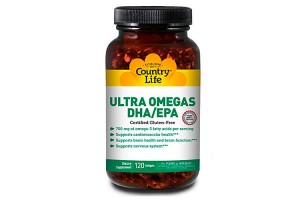
The Prenatal Omega 3-6-9 vitamin and mineral complex in capsules, manufactured by Country Life, is specially formulated for pregnant women and contains a blend of polyunsaturated and saturated fats, including a triple blend of DHA, EPA, and GLA, as well as vitamin B12, calcium, and phosphorus to provide additional nutritional support for both mother and baby.
The complex helps normalize cholesterol levels, strengthens and boosts the immune system, improves the condition of the skin, teeth, and nails, reduces the risk of cardiovascular diseases, normalizes nervous system function, and restores hormonal balance.
Buy
This complex helps the body cope with stressful situations and intense physical exertion, boosts mental alertness, and improves reaction time. Vitamin E is an antioxidant that participates in tissue respiration processes, saturating the body with oxygen.
Daily use of this dietary supplement improves bone health, prevents bone loss, and thus reduces the likelihood of injuries during physical activity. The fatty acids in the supplement improve the elasticity of joints and ligaments and help maintain overall longevity. Omega-3 helps normalize the production of synovial fluid, which prevents excessive friction in the knees, elbows, and other joints of the body.
Buy
Omega-3 reduces the number of cholesterol plaques, improves the functioning of the heart, blood vessels, and eyes, has anti-inflammatory and anticarcinogenic effects, stimulates metabolic processes, increases serotonin levels—the “happiness hormone”—and improves the appearance of skin, nails, and hair
Buy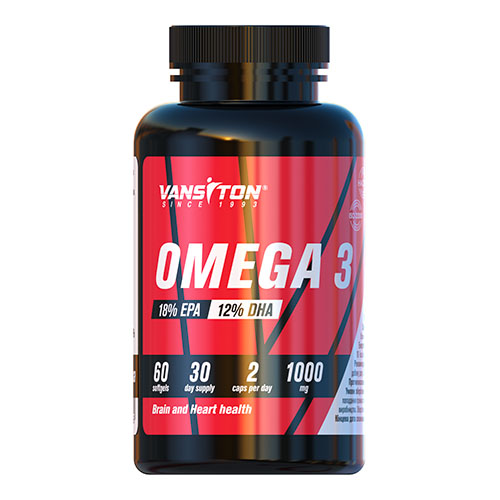
Omega-3 helps our body maintain optimal endurance levels by promoting the production of additional testosterone. This hormone, in both men and women, is responsible for protein biosynthesis and muscle mass growth. It improves the condition of our nervous system during stressful situations and intense physical activity, and also enhances mental alertness and reaction time.
Daily consumption of fish oil improves bone health and prevents bone loss. It reduces the likelihood of strains and injuries during sports activities. Fish oil helps improve the flexibility of joints and ligaments and contributes to overall longevity. Fish oil is a natural anabolic agent that relieves pain and tension after workouts.
BuyAre there any risks or contraindications?
- Allergies. Some people may be allergic to fish or other sources of omega-3. Allergic reactions may include itching, a rash, facial swelling, and other symptoms. If you are allergic to fish or other seafood, it is best to avoid taking omega-3 supplements and instead turn to other sources of these fatty acids, such as vegetable oils and seeds.
- General health. If you have certain medical conditions, such as circulatory problems, are on anticoagulant therapy, or have other serious medical conditions, it is best to consult a doctor before starting to take omega-3 supplements. In some cases, taking high doses of omega-3 can affect blood clotting and increase the risk of bleeding.
- Interactions with Medications. Omega-3 may interact with certain medications, particularly anticoagulants (blood-thinning medications), and may affect their effectiveness. Therefore, it is important to inform your doctor about any additional sources of omega-3 you are consuming if you are undergoing treatment.
- Overdose. Exceeding the recommended doses of omega-3 can lead to side effects such as stomach upset, diarrhea, and unusual body odors and breath.