What is hemoglobin and why is it important?
Hemoglobin is an iron-containing protein found in red blood cells. Its primary function is to transport oxygen from the lungs to the body’s tissues and cells. This process is vital for life, as oxygen is a key source of energy for cells and tissues. Without sufficient hemoglobin levels, organs cannot receive the oxygen they need, which can lead to serious health problems.
Hemoglobin also plays a role in removing carbon dioxide from the body. When cells consume oxygen to produce energy, they release carbon dioxide, which must be removed from the blood and excreted from the body. Hemoglobin facilitates gas exchange in the lungs by binding to carbon dioxide and transporting it back to the lungs for excretion.
Low hemoglobin levels can lead to various health problems, including anemia, which is characterized by a low red blood cell count and, consequently, insufficient oxygen transport. Anemia can cause fatigue, weakness, paleness, and other unpleasant symptoms.
Main Causes of Low Hemoglobin Levels
- Insufficient dietary iron intake. Iron is an essential component of hemoglobin, and insufficient intake of this mineral can lead to low hemoglobin levels. People who do not get enough iron from their diet—especially vegetarians and vegans—may be at risk for developing anemia.
- Blood loss. Blood loss due to injuries, surgeries, menstruation, or chronic bleeding can lead to low hemoglobin levels. In such cases, the body may not be able to produce enough red blood cells containing hemoglobin.
- Vitamin and mineral deficiencies. Normal hemoglobin synthesis requires not only iron but also vitamins such as folic acid and vitamin B12. A deficiency of these nutrients in the diet can affect red blood cell function and contribute to the development of anemia.
- Chronic diseases. Certain chronic diseases, such as chronic kidney disease, blood cancer, infectious diseases, or inflammatory conditions, can affect hemoglobin production or contribute to its breakdown.
- Pregnancy. During pregnancy, women have an increased need for iron and other nutrients as the body supplies blood for fetal development. This can lead to iron-deficiency anemia.
A decrease in hemoglobin levels can lead to various health problems, ranging from fatigue and weakness to serious complications. It is important to identify the cause of low hemoglobin levels in a timely manner and take steps to restore them, which may include dietary changes, treatment of the underlying condition, or supplementation with additional nutrients.
Foods That Increase Hemoglobin Levels
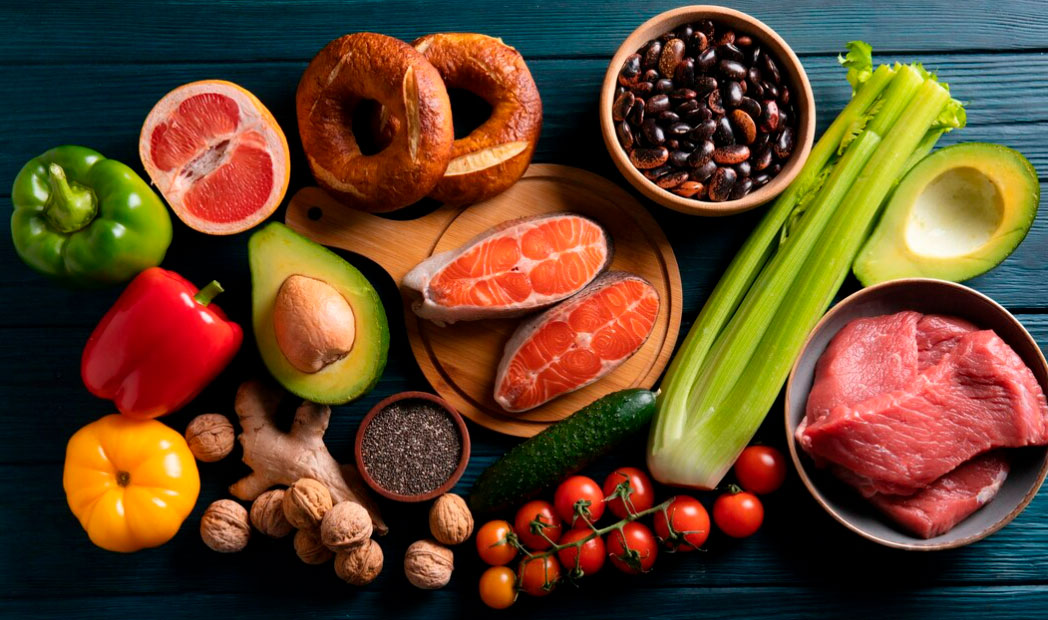
Red meat and organic foods
Red meats, such as beef, lamb, and pork, are sources of heme iron, which is more easily absorbed by the body than non-heme iron. Iron is a key component of hemoglobin, and adding red meat to your diet can help increase your iron stores.
Choosing organic meat products can be beneficial for those seeking to increase their hemoglobin levels. Organic animal husbandry involves the use of natural feed and the absence of chemical fertilizers or antibiotics. This can contribute to higher-quality meat and animal-based products that contain more beneficial minerals and nutrients.
Organic plant-based foods, such as vegetables, fruits, nuts, and grains, contain large amounts of vitamins and minerals that help increase hemoglobin levels. In particular, vitamin C, found in citrus fruits, promotes better absorption of iron from food.
Red meat and organic foods can be important components in raising hemoglobin levels in the body. However, it is important to pay attention to your diet, ensure a varied diet, and follow the recommendations of a doctor or dietitian, especially if you have certain medical conditions that affect hemoglobin levels.
Seafood
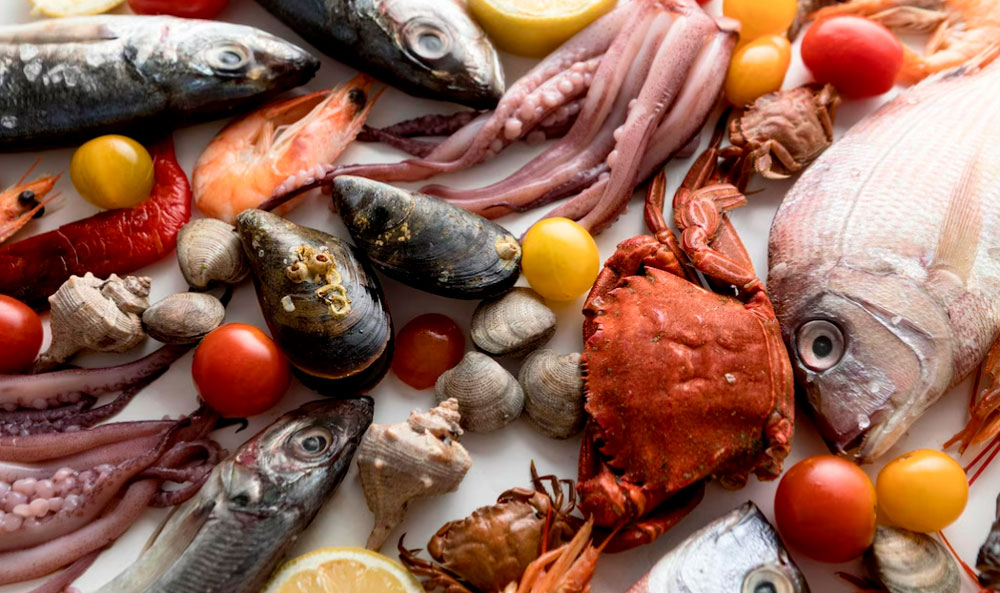
Seafood is a source of vitamins and minerals that are essential for hemoglobin production. In particular, it contains vitamin B12 and iron, which are key components of hemoglobin. Vitamin B12 is necessary for the formation of mature red blood cells, and iron is used for hemoglobin synthesis.
Seafood is rich in omega-3 fatty acids, such as eicosapentaenoic acid (EPA) and docosahexaenoic acid (DHA). These fatty acids help improve the structure and function of red blood cells, ensuring better oxygen delivery to tissues and reducing cholesterol buildup on blood vessel walls. This improves oxygen exchange in the lungs and ensures optimal hemoglobin function.
In addition, thanks to their vitamin B12 content, seafood promotes the formation and maturation of red blood cells in the bone marrow. This helps increase the number of active hemoglobin-carrying cells in the blood and raises hemoglobin levels.
Regular consumption of seafood helps reduce the risk of iron-deficiency anemia, which is often associated with insufficient levels of iron and vitamin B12 in the body.
Green leafy vegetables
Green leafy vegetables contain large amounts of vitamin C, which promotes better absorption of iron from food. Vitamin C increases the bioavailability of iron and helps the body use this mineral more effectively for hemoglobin synthesis.
Green leafy vegetables are also rich in folic acid, which is essential for the proper development of red blood cells. Folic acid plays a crucial role in hemoglobin formation and ensures the growth and maturation of red blood cells.
Regular consumption of green leafy vegetables may help reduce the risk of iron-deficiency anemia, which is often associated with insufficient iron levels in the body.
Green leafy vegetables contain a variety of nutrients, antioxidants, and fiber that promote overall health and strengthen the immune system.
Fruits and Berries
Fruits and berries, rich in vitamins, minerals, and antioxidants, can play an important role in increasing hemoglobin levels in the body.
Many fruits and berries, such as oranges, kiwis, strawberries, and raspberries, contain high amounts of vitamin C. This vitamin helps release iron from food and facilitates its absorption by the body. As a result, iron is more easily utilized for hemoglobin synthesis.
Bananas and avocados, which contain vitamin B6, play an important role in hematopoiesis (blood formation). This vitamin supports the body’s natural process of hemoglobin production.
Some berries, such as red currants and cranberries, contain small amounts of iron and folic acid. Regular consumption of these berries can help increase hemoglobin levels in the body, especially when other sources of iron are limited.
Fruits and berries contain antioxidants, such as vitamins C and E, which help protect red blood cells from damage caused by free radicals. This improves their function and efficiency in transporting oxygen.
Nuts and Seeds
Some types of nuts, such as pine nuts and walnuts, contain significant amounts of iron. Iron is a key component of hemoglobin, and including these nuts in your diet can help increase your iron stores.
Nuts and seeds, such as pumpkin seeds, contain folic acid, which plays an important role in the formation and maturation of red blood cells. Folic acid promotes the development of healthy red blood cells and influences hemoglobin production.
Nuts and seeds contain B vitamins, such as vitamin B6 and vitamin B9 (folic acid). They support hematopoiesis (blood formation) and help produce hemoglobin.
Nuts and seeds contain a large amount of fiber, which promotes a healthy diet and optimal digestive tract function. This can improve the absorption of nutrients, including iron.
Nuts and seeds contain antioxidants, such as vitamins C and E, which help protect red blood cells from damage caused by free radicals. This supports their function and health.

Dietary Recommendations for Increasing Hemoglobin
- Red meat. Red meat, such as beef, veal, lamb, and pork, contains heme iron, which is more easily absorbed by the body compared to other sources of iron. This helps increase hemoglobin levels and provides the body with iron for the synthesis of new red blood cells.
- Pumpkin seeds and sunflower seeds. Pumpkin seeds and sunflower seeds contain not only iron but also zinc. Zinc helps the body absorb iron more effectively, making these foods beneficial for people with low hemoglobin levels.
- Nuts. They contain iron, which can help increase hemoglobin levels. They are also rich in vitamins and minerals that support overall health.
- Green leafy vegetables. They contain large amounts of iron, as well as vitamin C and folic acid. Vitamin C improves iron absorption, and folic acid helps produce new red blood cells.
- Fruits and berries. Strawberries, raspberries, oranges, and apples contain vitamin C. Vitamin C enhances the absorption of iron from other sources, meaning these foods help maintain optimal hemoglobin levels.
- Beans and grains. They contain iron and folic acid. Folic acid promotes the formation of new red blood cells, while iron helps support their growth and function.
- Fish. Some types of fish, such as sardines, tuna, and mackerel, contain both iron and B vitamins, which promote blood health and increase hemoglobin levels.
- Eggs. They contain iron and protein, which help increase hemoglobin levels.
- Vitamin B12. Including foods rich in vitamin B12—such as meat, fish, eggs, and dairy products—in your diet supports the health of red blood cells and hemoglobin.
In general, a varied and balanced diet that includes these foods helps provide the body with iron and other essential nutrients to maintain healthy hemoglobin levels and optimal bodily function.
Foods to Avoid If You Have Low Hemoglobin
- Tea and coffee. Tea and coffee contain tannins, which can interfere with the absorption of iron from food. Therefore, it is important to limit your consumption of these beverages, especially during meals.
- Large amounts of milk and dairy products. The calcium found in milk and dairy products can also interfere with iron absorption. It is recommended that you avoid consuming large amounts of milk and dairy products with meals, especially if you are taking iron supplements.
- Foods with artificial colors. Some artificial colors and preservatives found in foods can affect blood health and contribute to the breakdown of red blood cells.
- Iron inhibitors. Certain foods, such as peas, spinach, rice, and corn, contain compounds that can interfere with iron absorption. They can be included in your diet, but it’s important to view them as part of a balanced diet rather than as a primary source of iron.
- Foods high in salt. Sometimes, high amounts of sodium (salt) in food can affect kidney function and blood health. It is important to check the salt content of foods and consume them in moderation.
- Excessive alcohol consumption. Large amounts of alcohol can affect the quality of red blood cells and interfere with the body’s normal functioning. Limiting alcohol consumption is important for maintaining healthy blood.
Iron-Deficiency Anemia in Athletes
Iron-deficiency anemia in athletes is a condition in which the body does not have sufficient iron reserves to produce enough red blood cells and hemoglobin. This type of anemia can arise for various reasons and requires attention, as it affects physical performance and athletic ability.
Causes of iron-deficiency anemia in athletes include the following:
- Increased iron requirements. Athletes, especially those in aerobic sports, can lose iron through sweat; red blood cells break down due to intense physical exertion and require more iron to synthesize new blood cells and hemoglobin.
- Poor diet. Insufficient iron in an athlete’s diet can lead to iron deficiency. Insufficient dietary iron intake or the body’s inability to effectively absorb this mineral can cause anemia.
Symptoms of iron-deficiency anemia in athletes may include:
- Weakness and fatigue. Athletes may experience reduced physical endurance and performance due to low hemoglobin levels and a lack of oxygen to the muscles.
- General discomfort. Feeling unwell, as well as muscle and joint pain, may be symptoms.
- Pale skin. A decrease in red blood cells can lead to paleness of the skin and mucous membranes.
- Decreased physical performance. Athletes may notice reduced endurance and an inability to achieve optimal results during training and competitions.
- Changes in heart rate and blood pressure. A decrease in hemoglobin can affect heart function and blood pressure.
- Changes in nervous system function. Headaches, irritability, and difficulty concentrating may occur.
Scientific sources:
Anemia — World Health Organization fact sheet
Iron — Information for Healthcare Professionals from the U.S. National Institutes of Health
Iron-Deficiency Anemia—UK National Health Service
Iron Deficiency in Athletes: A Narrative Review
Iron for Athletes: a narrative review
Global prevalence of iron deficiency among student athletes: a systematic review and meta-analysis