Symptoms of Fatigue
Fatigue is a condition in which a person experiences general tiredness, weakness, and a loss of energy and vitality, which can affect the body’s physical and mental functions. This condition can be caused by various factors, such as poor sleep, poor nutrition, stress, physical and mental exhaustion, illness, or lack of physical activity.
Fatigue can affect various aspects of life, reducing productivity, mood, cognitive function, and overall health.
Physical symptoms:
- excessive fatigue and an inability to continue physical or mental activity;
- muscle weakness;
- a feeling of low energy and sluggishness;
- decreased physical endurance;
- performing your usual activities may become a difficult task.
A loss of energy also affects your psychological and emotional state:
- difficulty concentrating;
- a low or even depressed mood;
- disturbances in sleep duration and quality;
- loss of interest in activities that were previously enjoyable.
These symptoms may be caused by various factors, such as physical illnesses, psychological stress, lack of sleep, dietary issues, the use of certain medications, or mental health disorders. If you notice prolonged or unexplained symptoms of fatigue, consult a doctor for professional advice and diagnosis.

Physical Causes of Fatigue
Lack of Sleep. Insufficient or poor-quality sleep leads to feelings of fatigue and a lack of energy throughout the day.
Illnesses. Any illness can cause a loss of energy, as it places an additional strain on the body. An illness requires the body to expend extra energy to fight it off and strengthen the immune system, which leads to feelings of fatigue and weakness.
An unbalanced diet. Nutritional issues, such as malnutrition or a deficiency in essential vitamins and minerals, can cause weakness and a decrease in energy.
Excessive or insufficient physical activity. Sometimes overexertion or excessive physical activity can lead to physical exhaustion and a loss of strength. Insufficient physical activity or a prolonged period of inactivity can result in blood stagnation and reduced blood circulation.
Taking certain medications. Some medications may cause side effects such as weakness and fatigue.
Age and natural aging. As we age, physical endurance and muscle mass decrease, which can contribute to a loss of strength.
Natural aging of the body
Natural aging of the body can affect strength due to a number of physiological and other changes that occur in the body as we age.
- Decrease in muscle mass. As we age, the body’s muscle mass decreases (a condition known as sarcopenia). Muscle tissue becomes less efficient and less strong.
- Decrease in bone mass. Osteoporosis is a condition in which bone density decreases and bones become more fragile and prone to fractures.
- Decline in cardiovascular function. As we age, the heart muscle becomes less elastic and less effective at providing sufficient blood flow to the body.
- Changes in the endocrine system. After age 30, levels of hormones such as testosterone in men and estrogen in women decline, which can affect energy levels and muscle mass.
- Changes in the nervous system. As we age, the speed of signal transmission in the nervous system decreases, which can affect coordination and physical activity.
- Sleep disturbances. As we age, changes in the quality and duration of sleep may occur. These can include difficulty falling asleep, interrupted sleep, or a decrease in sleep depth.
It is important to remember that a decline in strength with age is a natural process, but a healthy lifestyle, proper nutrition, and regular physical activity can help maintain maximum levels of physical activity and energy throughout life.

Insufficient physical activity
- Decrease in muscle mass and strength. Insufficient physical activity contributes to a decrease in muscle mass and strength, which can lead to weakness and fatigue.
- Decreased energy. Physical activity stimulates blood circulation and improves oxygen exchange in the body, which promotes more efficient energy use.
- Decreased flexibility and motor coordination. Insufficient activity can lead to decreased flexibility and motor coordination, which can make everyday movements and activities more difficult.
- Changes in bone structure. Physical activity helps maintain bone density, while insufficient activity can lead to decreased bone density and an increased risk of fractures.
- Reduced sleep quality. Regular physical activity helps improve sleep quality. Insufficient physical activity can lead to sleep problems, such as insomnia, which can lead to fatigue and a lack of energy throughout the day.
Regular physical activity is an important part of a healthy lifestyle and can improve overall physical condition, increase energy, and enhance quality of life.
Making it a habit to incorporate physical activity into your daily routine can help prevent fatigue and maintain good health.
Poor diet and nutrient deficiencies
- Energy deficit. If the body does not receive enough energy from food, it may experience fatigue and weakness due to an inability to provide the necessary energy for normal physical and mental functions.
- Vitamin and mineral deficiencies. A lack of nutrients such as iron, B vitamins, vitamin C, and others, can lead to anemia and a weakened immune system, resulting in reduced physical activity and a feeling of weakness.
- Increased risk of disease. Poor nutrition can lead to an increased risk of chronic diseases, such as cardiovascular disease, diabetes, and obesity. These conditions can cause weakness and fatigue.
- Impact on physical activity capacity. An unhealthy diet can reduce physical endurance and physical activity because the body does not receive sufficient nutrients for optimal muscle function and energy metabolism.
To stay healthy and maintain energy levels, it’s important to pay attention to your diet and include a variety of nutrient-rich foods, maintain a healthy lifestyle, and engage in regular physical activity. If necessary, it’s best to consult a dietitian or doctor for personalized advice and a meal plan.
Psychological Causes of Fatigue
Stress and Anxiety. Constant stress or anxiety depletes the body because it places an additional burden on it, using energy not to sustain normal functioning but to cope with stress.
Depression. Depression can lead to a lack of energy, weakness, and a loss of interest in activities that once brought joy.
Insomnia. Sleep problems, such as insomnia or interrupted sleep, can lead to a loss of energy and a decline in strength throughout the day.
Constant overexertion. Constant overload from work, school, or other responsibilities can cause fatigue and weakness.
Negative emotions. Intense negative emotions, such as anger, irritation, or sadness, can lead to physical and emotional exhaustion.
Lack of relaxation. A lack of time for rest and relaxation can lead to fatigue and reduced energy, as the body does not get enough time to recover.
The psychological causes of low energy can be complex and require attention and understanding. If you are experiencing prolonged fatigue and a loss of energy, or if you suspect that psychological factors may be affecting your well-being, it is recommended that you consult a psychologist or psychotherapist for support and assistance.

Excessive stress and emotional strain
Excessive stress and emotional strain can affect your energy levels and overall vitality for several reasons:
- Adrenal exhaustion. Stress triggers the activation of the adrenal glands, leading to the release of stress hormones such as cortisol and adrenaline. Being in a constant state of heightened alertness (chronic stress) can exhaust the adrenal glands, resulting in fatigue and physical weakness.
- Increased energy expenditure. Stress and emotional strain can trigger the “fight-or-flight” response—the body’s built-in mechanism for dealing with stress. This can increase energy expenditure, contributing to a loss of energy.
- Impact on appetite. For some people, stress can lead to changes in eating habits, such as overeating or loss of appetite. Uncontrolled appetite or inadequate nutrition can affect energy levels and cause fatigue.
- Impact on the nervous system. Stress can affect the nervous system, leading to exhaustion and impaired brain function. This can manifest as reduced concentration and fatigue.
Depression and Mental Health Disorders
- Reduced Interest in Activities. People with depression may lose interest in activities they once enjoyed or fail to derive pleasure from any activities. This can lead to reduced motivation for physical activity and a loss of energy.
- Sleep disturbances. Depression can affect sleep, causing insomnia or insufficient sleep. Insufficient or disrupted sleep can lead to a loss of energy and fatigue throughout the day.
- Physical symptoms. Some people with depression may experience physical symptoms such as body aches, headaches, or injuries without any obvious physical cause. These symptoms can lead to a loss of energy and an inability to engage in physical activities.
- Feelings of helplessness and hopelessness. People with depression may experience extreme fatigue, helplessness, and hopelessness, which leads to a loss of desire or ability to engage in physical activities.
Depression and mental health disorders can have a significant impact on quality of life and overall well-being. It is important to provide support and assistance to people with depression, as well as to consult a specialist (a psychotherapist or psychiatrist) for a professional evaluation and treatment. A combination of psychotherapy, medication, and lifestyle changes can help improve mental and physical well-being.
Lack of motivation and self-confidence
- Decreased energy. A lack of motivation and self-confidence can lead to reduced energy and a diminished desire to engage in physical activity. A person may feel exhausted and demoralized, leading to reduced activity and a loss of energy.
- Impact on planning and actions. A lack of motivation and self-confidence can hinder planning and carrying out activities, including physical activity. A person may not see the point or purpose in exercising or playing sports, leading to low activity levels.
- Deterioration of self-esteem. A lack of motivation and self-confidence can affect a person’s self-esteem. Low self-esteem can cause feelings of incompetence and inadequacy, leading to inactivity and a loss of energy.
- Feelings of helplessness. A lack of motivation and confidence can lead to feelings of helplessness and a loss of control over one’s life. A person may feel powerless to change their situation, which can affect their energy and activity levels.
- Withdrawal. A lack of confidence can lead to withdrawal and avoidance of social interaction or physical activity. A person may avoid meeting with others or participating in group activities.
- Mood swings. A lack of motivation and self-confidence can cause mood swings, such as feelings of depression, self-doubt, and irritability. These mood swings can affect a person’s energy levels and desire to engage in physical activity.

The Effects of Fatigue on the Body
Decreased Physical Endurance and Strength
Fatigue leads to tiredness and weakness, which can reduce your ability to engage in prolonged physical activity. If you’re experiencing severe fatigue, you’ll likely be able to exercise less or feel discomfort during workouts. This can lead to a decrease in the intensity and duration of your workouts, which in turn can result in reduced physical endurance.
A loss of energy can reduce physical strength and the ability to perform exercises that require significant effort. Feelings of weakness and loss of energy can make strength training more difficult and reduce your ability to build muscle mass and strength.
The overall impact of fatigue on physical endurance and strength depends on the frequency and duration of the fatigue, as well as individual factors specific to each person. A persistent loss of energy can lead to a decline in physical fitness and the body’s ability to cope with physical exertion.
Deterioration of Cognitive Functions and Memory
A loss of energy can have a significant impact on cognitive functions and memory. Cognitive functions include mental processes such as attention, concentration, perception, speech, planning, and thinking. Since a decline in energy is accompanied by a loss of energy and fatigue, this can lead to the following effects on cognitive functions and memory:
- Deterioration in attention and concentration. Difficulty focusing on a task or sustaining concentrated effort.
- Slowed thinking. Slower mental reactions and reduced speed of information processing.
- Memory impairment. Fatigue can affect both short-term and long-term memory. You may have trouble storing and retrieving information.
- Difficulty solving problems. Fatigue can affect your ability to think clearly and solve problems.
- Impaired verbal expression. Fatigue can lead to speech difficulties and forgetting words.
These effects of fatigue on cognitive function and memory can vary depending on the intensity of fatigue, the duration of the condition, and each person’s individual characteristics.
Increased Risk of Illness and Injury
Fatigue can significantly increase the risk of illness and injury through several mechanisms. When the body feels tired and weak, its ability to fight off illnesses and cope with traumatic situations can be substantially reduced. Here are some ways fatigue can contribute to an increased risk of illness and injury:
- Weakened immunity. The immune system functions less effectively because the body lacks sufficient energy to fight off infections. This makes people more susceptible to various illnesses, including respiratory infections, the flu, and other diseases.
- Slower recovery. Delays in the recovery and healing process following injuries or illnesses. As a result, injuries may be more severe and take longer to heal.
- Increased stress. This leads to higher stress levels, which negatively affect heart health, the immune system, and overall well-being.
- Decreased physical activity. When a person feels fatigued, they may avoid physical activity or even move less, which can lead to a loss of muscle mass and a decline in bone strength and flexibility.
- High risk of injury. A loss of energy and reduced physical abilities can lead to carelessness when performing physical tasks, which may increase the risk of injuries and accidents.
Strategies for Overcoming a Decline in Energy
Overcoming a decline in energy involves a series of actions and changes in daily life that can support your body and restore your energy.

Physical Activity and Exercise
Physical activity promotes the release of endorphins—chemicals in the brain that trigger feelings of joy and increased energy. Regular physical activity can boost energy levels and reduce feelings of fatigue. Exercises that raise your heart rate and make your heart beat faster improve heart and lung function. Improved blood circulation helps the body supply cells with oxygen and nutrients, which reduces feelings of fatigue.
Exercise helps increase muscle mass and strengthen bones. Stronger muscles and bones improve physical endurance and reduce the risk of injury. Physical activity increases blood flow to the brain, which can improve cognitive functions such as attention, memory, and decision-making. Physical activity helps lower levels of cortisol, the stress hormone. Exercise also promotes relaxation and improves mood.
Regular physical activity promotes better sleep. Quality rest maintains energy levels and improves the body’s recovery. Regular exercise improves immune system function, making the body more resistant to illness.
It’s important to remember that you should choose physical activities based on your abilities and health. A gradual approach to training and a workout intensity that’s right for you will help you achieve maximum results and boost your overall energy levels. Don’t forget to consult a doctor before starting a new physical activity, especially if you have specific medical conditions or limitations.
Healthy Eating and Nutrient Intake
Healthy foods, particularly those rich in carbohydrates, provide the body with the energy it needs to function. This helps prevent fatigue and keeps you feeling more energetic throughout the day. Protein-rich foods help maintain and build muscle mass, which is important for physical strength and endurance.
A balanced diet provides the necessary vitamins and minerals to support normal immune system function and help fight off infections. Certain nutrients, such as omega-3 fatty acids, antioxidants, and B vitamins, improve cognitive function and memory.
A healthy diet has a positive effect on mood and helps reduce stress and anxiety. Regular consumption of a variety of healthy foods helps maintain healthy digestion and contributes to improved overall well-being.
In general, a healthy diet and proper nutrient intake provide the body with the elements necessary for its normal functioning and for maintaining optimal health. Following a varied and balanced diet helps combat fatigue and maintain high energy levels and vitality.
Stress Management and Mental Health Support
Stress can lead to physical exhaustion and cause a loss of energy. Stress management includes various techniques, such as meditation, yoga, and deep breathing, which help calm the mind and reduce stress levels. A loss of energy can be linked to negative emotions, such as anxiety or anger. Supporting mental health involves paying attention to your emotions, seeking support from loved ones or professionals, and using positive strategies to maintain mental well-being.
Ensuring adequate rest and time for relaxation is important for restoring energy and managing stress. This helps prevent fatigue and supports the ability to engage in physical and mental activities. In some cases, it may be helpful to seek help from a psychotherapist. Psychotherapy can help identify the causes of stress, anxiety, or depression and teach effective strategies for managing emotions.
Supporting the Body When Energy Levels Drop

Supplements and Products to Boost Energy and Endurance
Weight Gainer. Provides a high-calorie energy boost, helping to maintain endurance and support recovery after workouts. It supplies protein for muscle tissue repair and growth, which can help increase muscular endurance and strength. Weight gainers contain carbohydrates that provide quick energy for muscles during workouts.
Isotonic drinks. They provide rapid replenishment of fluids and electrolytes, which supports hydration during workouts and promotes more efficient bodily function. They deliver readily available energy in the form of carbohydrates, which helps maintain energy and endurance during physical exertion.
Creatine. Creatine is a naturally occurring substance found in muscle tissue. It can boost energy and improve physical endurance. Creatine is often used in powder form, which is mixed with water or other beverages.
Guarana. Guarana is a plant that contains caffeine. Its extract is used as a supplement to boost energy and endurance.
Fish oil. Fish oil contains omega-3 fatty acids, which support heart health, reduce inflammation, and boost energy.



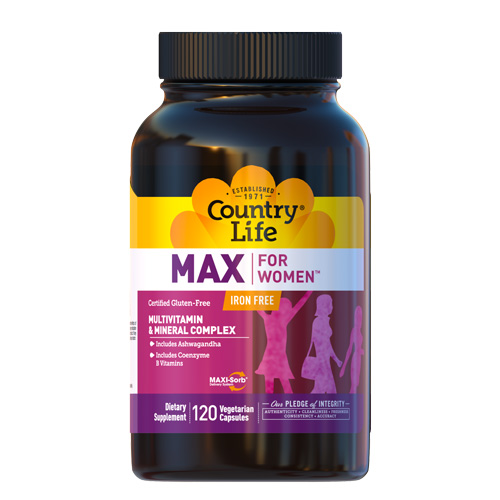
Vitamin and Mineral Complexes to Support Health
Vitamin and mineral complexes can be beneficial for maintaining health and helping to combat fatigue, especially if your body is deficient in certain vitamins and minerals. However, keep in mind that you should consult a doctor or specialist before taking any supplements or medications.
Vitamin and mineral complexes contain various vitamins and minerals that work together to ensure the body functions optimally. Combining different nutrients can help them be better absorbed and work synergistically, which helps maintain energy levels and reduces the risk of fatigue.
Many people are deficient in certain vitamins and minerals due to a diet that lacks variety and is unbalanced. Vitamin and mineral complexes help fill these gaps by providing the body with all the necessary nutrients to maintain energy and health.
Vitamins and minerals play a key role in many of the body’s biochemical processes, such as metabolism, energy balance, nervous system function, and immunity. Vitamin and mineral supplements support overall health, which helps improve energy levels and increase endurance.


When to See a Doctor
A specialist can help identify possible causes of fatigue, such as nutrient deficiencies, physical inactivity, stress, lack of sleep, or other medical issues. Identifying the underlying causes will help you plan effective measures to address them.

Persistent and significant deterioration in health
A specialist will help identify potential medical, dietary, psychological, and other causes of fatigue. Only a professional can conduct the necessary examination and diagnosis to determine the exact cause of your condition. Persistent fatigue can be a sign of medical problems such as anemia, thyroid dysfunction, diabetes, infections, or other conditions requiring medical intervention. Early detection and treatment of these problems can prevent them from worsening and your condition from deteriorating.
A specialist will help you develop a personalized treatment and support plan based on your condition and needs. Every person has unique needs, so a personalized approach may be more effective for you. A doctor can provide personalized consultations and advice on nutrition, physical activity, stress management, optimal sleep patterns, and other aspects of a healthy lifestyle. They can also create a personalized diagnostic and treatment plan.
Unexplained symptoms and unexplained changes
A specialist has the experience and knowledge to correctly diagnose unexplained symptoms and determine their cause. They can conduct the necessary examinations and tests to establish an accurate diagnosis.
Unexplained changes in health can be a sign of serious medical problems, such as infections, internal organic diseases, autoimmune disorders, cancer, and so on. A specialist can help rule out such conditions and begin treatment.
If you already have a diagnosis or are undergoing treatment, a specialist can review your symptoms and changes to ensure they are consistent with the expected outcome of your treatment. Sometimes, a change in treatment or dosage may be necessary to achieve better results. Seeing a specialist prevents the development of potential complications and ensures timely treatment.
Ineffectiveness of Self-Care Measures
Loss of energy can be a symptom of various medical conditions, such as anemia, diabetes, thyroid problems, infections, cardiovascular disease, and others. These issues may require medical treatment and specialized diagnosis.
A doctor has the professional experience and knowledge to diagnose and treat various medical conditions that may be associated with fatigue. They can develop a personalized treatment plan that meets your needs and health status.
Incorrect self-diagnosis and improper treatment can lead to complications and worsen your condition. Seeing a doctor in a timely manner helps prevent potential complications and ensures proper treatment.
Scientific sources:
Fatigue in Older Adults — National Institute on Aging (NIH)
Fatigue and Exhaustion: Causes, Symptoms, and When to See a Doctor — NHS
Stress: Effects on the Body and Ways to Cope — WHO
Iron: Information for Healthcare Professionals — NIH Office of Dietary Supplements
Vitamin B12: Information for Healthcare Professionals — NIH Office of Dietary Supplements