What Is Melatonin
Melatonin is a neurohormone produced by the body during sleep. Scientists call it the elixir of health, beauty, and longevity, capable of prolonging youth and improving quality of life.
Melatonin’s primary function is to regulate the “sleep-wake” cycle and help the body recover during nighttime sleep. While we sleep, melatonin is at work: it reduces stress levels, “repairs” damaged cells, promotes hormone synthesis, strengthens the immune system, protects cells from free radical damage, lowers the risk of chronic diseases, and allows the brain to “rest.”
The discovery of melatonin and the first studies of its functions began in the mid-20th century and were linked to research on the structure and functions of the pineal gland (epiphysis) in the brain. By that time, scientists already knew that the pineal gland had a certain function related to the regulation of circadian rhythms, but the mechanism of its action remained unknown. In 1958, American dermatologist Aaron B. Lerner, together with colleagues from Yale University, isolated a substance from the pineal gland of cattle that had the ability to lighten the skin of a frog. This substance was named “melatonin” (from the Greek “melas,” meaning black, and “tonos,” meaning tension), since it affected skin pigmentation. By the 1960s and 1970s, numerous studies had shown that melatonin is synthesized not only in animals but also in humans. It was during this time that it was established that melatonin regulates circadian rhythms (the body’s internal biological clock) and influences sleep, body temperature, reproductive function, and other physiological processes.
How Melatonin Is Produced in the Body

Melatonin is produced in the body by the pineal gland.
The pineal gland (or pineal body) is a small structure up to 8 mm in length, located between the two hemispheres of the brain. The gland consists of nerve cells (pinocytes) connected to the light-sensitive cells of the retina.
The primary function of the pineal gland is endocrine. The gland produces about 40 active compounds, including the hormones serotonin, melatonin, and histamine.
During daylight hours, serotonin is released into the body, and during darkness, melatonin is released. How does this happen?
The retina of the human eye contains special photoreceptor cells that respond to light and transmit signals to the brain via nerve impulses. The best-known photoreceptors are rods and cones, which specialize in low-light vision and are responsible for color vision. A third type of photoreceptor cell is the light-sensitive ganglion cells, which synchronize the body’s circadian rhythms with the time of day. The pineal gland, which receives data on the presence and intensity of light, works in conjunction with the circadian rhythm, producing serotonin during the day and melatonin as darkness approaches. It is precisely these circadian rhythms that allow us to remain awake in daylight and feel the urge to sleep as darkness approaches. The pineal gland plays a significant role not only in regulating sleep but also in regulating daily cycles, seasonal changes, and time zones.
Both serotonin and melatonin are produced in the body from the amino acid tryptophan, which, under the influence of sunlight, is converted into serotonin, which in turn is converted into melatonin in the dark. The more serotonin there is in the brain, the more melatonin the pineal gland will produce, which will make it easier to fall asleep and promote high-quality, deep sleep.
The body produces approximately 30 μg of melatonin per day. Melatonin levels are lowest during the day because its production is suppressed by signals from the retina of the light-sensitive eye. Gradually, as evening approaches, melatonin levels rise—which is why we feel sleepy as darkness falls. At night, melatonin synthesis is most intense—from midnight until 4 a.m., when its concentration in the body is at its highest. That is why it is so important to create the necessary conditions for restful sleep at night.
The highest levels of melatonin are observed in children; as we age, melatonin production decreases, and by age 80, levels in adults are about 10% of their initial levels.
Melatonin: Functions and Health Benefits

What Is Melatonin Used For?
The most important function of melatonin is the regulation of circadian rhythms.
Circadian rhythms are fluctuations in the intensity of biological processes in the body associated with the cycle of day and night. Biological processes controlled by circadian rhythms include the regulation of the sleep-wake cycle, metabolism, hormone synthesis, changes in body temperature, and the functioning of the immune, cardiovascular, nervous, and digestive systems. Circadian rhythms have a period close to 24 hours, and the presence of light and darkness has a significant impact on these rhythms.
In other words, melatonin is responsible for our internal biological clock and for the body’s daily rhythm, determining periods of sleep and wakefulness. Its levels in the body fluctuate throughout the day—which is precisely why we wake up in the morning and feel sleepy in the evening.
Circadian rhythms are disrupted in people who regularly stay up late using a computer or watching TV, work night shifts, or have to get up very early due to their work schedule. Insufficient sleep on weekdays is often compensated for by sleeping in on weekends—and the body, accustomed to waking up at six in the morning, becomes disoriented when it wakes up at eleven. In such cases, a person feels tired, sleepy, and sluggish—they don’t feel rested. This common phenomenon is called “social jet lag” and refers to a sharp difference between sleep schedules on weekdays and weekends.
Social jet lag is not just an inconvenience; this condition can have negative consequences for both the body and the mind. Adults with jet lag lasting more than two hours experience an elevated heart rate, high cortisol levels at rest, and reduced physical activity. Constant disruption of natural sleep-wake rhythms due to social factors can lead to metabolic syndrome, the development of diabetes, weight gain, and heart disease.
What’s the solution? Switch to a more consistent schedule that’s closer to a natural rhythm, and find a daily routine that allows your body to get the sleep it needs.
The Benefits of Melatonin
Improved Sleep Quality
Melatonin synthesis sends a signal to the brain to prepare for sleep: psycho-emotional activity decreases, respiratory rate slows, muscles relax, and body temperature drops. As a natural sleep aid, melatonin promotes deep, restful sleep, during which the body recovers, rejuvenates, and gains renewed energy.
Reducing Stress and Supporting the Nervous System
Melatonin is the best remedy for the effects of stress, helping to maintain mental stability and a positive mood. Melatonin helps combat stress because it affects cortisol levels: as melatonin levels rise, cortisol levels drop, thereby reducing stress. People with sufficient melatonin are less likely to experience depression, apathy, and low energy.
Antioxidant Effects
The “sleep hormone” protects the body at the cellular level from the negative effects of free radicals and harmful internal processes. This reduces the risk of developing chronic diseases, diabetes, and conditions affecting the heart, joints, and eyes; it also improves skin health and prevents premature aging.
Immune System Protection
Melatonin is a natural immune modulator. Numerous studies have shown that melatonin has immunostimulatory properties and can help fight infectious diseases.
Effects on the Cardiovascular System
Melatonin helps protect the heart muscle from damage caused by free radicals, lowers blood cholesterol levels, and reduces blood pressure. These beneficial effects reduce the risk of developing cardiovascular diseases such as atherosclerosis and myocardial infarction.
Proven properties of melatonin:
- promotes rapid sleep onset and effectively combats insomnia;
- restores the natural circadian rhythm;
- regulates the endocrine system;
- lowers blood pressure;
- strengthens the immune system and has antiviral and anti-inflammatory properties;
- “relieves” the brain and regulates memory and forgetting processes;
- has an anti-stress effect, improves mood and overall mental well-being;
- acts as an antioxidant, neutralizing free radicals that damage the body at the cellular level;
- blocks the formation and growth of tumors, and strengthens the body’s anti-tumor immune response;
- helps people with weather sensitivity adapt to changes in the weather;
- strengthens bone tissue and acts as a preventive measure against osteoporosis and bone loss;
- has a rejuvenating effect and slows down the aging process.
Melatonin for Athletes: Why It’s Important
Proper rest is very important for athletes, as it is an integral part of the training process. If there isn’t enough time for the muscular and nervous systems to recover, all the effort put into training may be in vain. In this case, melatonin can help maintain healthy sleep, relieve psychological and emotional tension and stress, and reset circadian rhythms after long flights involving time zone changes (jet lag).
Post-Workout Recovery
Melatonin supplements promote accelerated recovery of the muscular and nervous systems after workouts, reduce oxidative stress and inflammatory responses, thereby lowering the risk of muscle damage.
Improved Sleep for Better Athletic Performance
Melatonin promotes deep, restful sleep, during which muscle tissue repairs and grows. In addition, healthy sleep and adequate rest improve aerobic, dynamic, and speed endurance. A well-rested athlete will perform at a higher level, meaning they have a better chance of achieving their goals faster.
Protecting Athletes’ Bodies from Stress
Life in professional sports involves intense training, competitions, regular travel, and flights—and consequently, constant stress, which negatively affect the body’s internal biological clock. Melatonin’s anti-stress properties help relieve stress, improve emotional well-being, and normalize the daily rhythm.
Taking melatonin a few days before a planned trip helps normalize the body’s circadian rhythm and adapt smoothly to time zone .
Optimizing Hormonal Balance
Melatonin’s functions are not limited to regulating sleep. It has a direct effect on our hormonal balance, helps regulate the thyroid and thymus glands, lowers cortisol levels, and stimulates the production of endorphins.
How to Take Melatonin

Recommended Melatonin Dosage
To treat sleep disorders, experts recommend that adults take 2–5 mg of melatonin per day. The dosage is determined on an individual basis. It is best to start with a minimum dose of 0.2–0.5 mg to avoid possible side effects and increase it gradually, until the body’s internal clock adjusts and sleep patterns are restored. The maximum daily dose for adults should not exceed 6–10 mg. When traveling across time zones, doctors recommend taking 3–5 mg of melatonin per day starting one day before the flight and continuing daily for the next 2–5 days.
Melatonin can be taken as regular tablets, chewable tablets, or lozenges; in capsules; as drops; or as an oral spray.
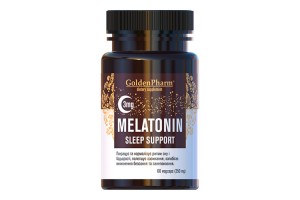
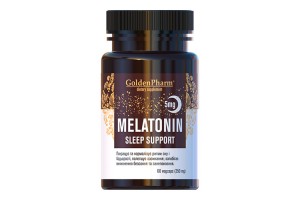
Melatonin Sleep Support capsules are a dietary supplement containing melatonin and glycine. They have immunostimulatory and antioxidant properties, help the body adapt to rapid time zone changes, reduce stress responses, regulate neuroendocrine functions, and have stimulating, sedative, sleep-inducing effects. It helps regulate biological rhythms, normalizes nighttime sleep, helps you fall asleep faster, and reduces the frequency of nighttime awakenings. It improves how you feel upon waking in the morning and does not cause feelings of lethargy, grogginess, or fatigue upon waking.
Directions:
Adults: 1 capsule before bedtime.


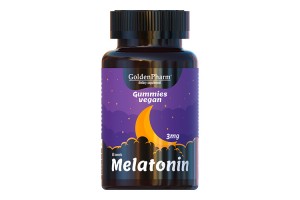
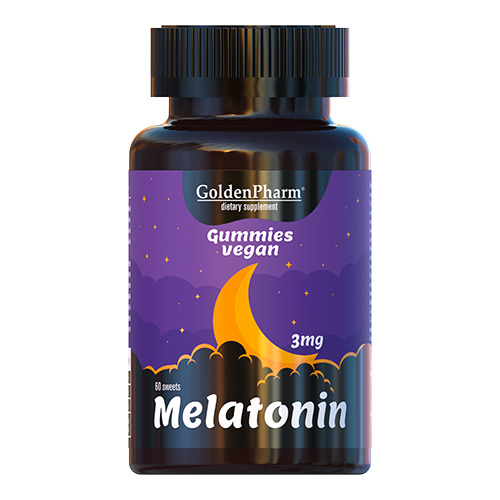
Melatonin-infused gummy candies help you fall asleep, improve sleep quality, ensure a refreshing wake-up, and prevent insomnia. The formula is enriched with vitamin B6, which promotes better absorption of melatonin and plays an important role in the synthesis of neurotransmitters such as serotonin, which improves mood and helps reduce stress levels.
Directions:
Take 1–2 gummy candies before bedtime. Dosage and duration of use may be adjusted as directed by a doctor. Do not exceed the recommended daily dose.
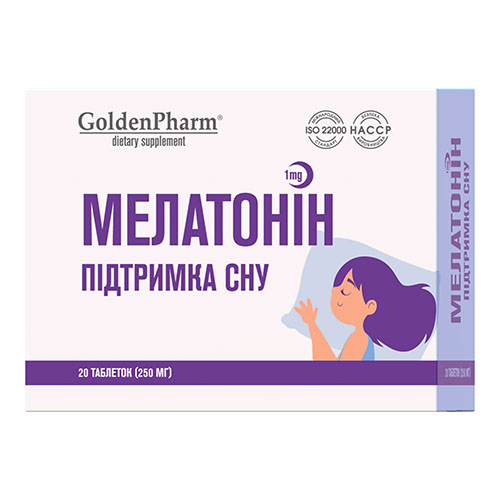
Melatonin dietary supplement tablets (1 mg) improve nighttime sleep, normalize circadian rhythms, reduce the frequency of headaches, have a positive effect on cognitive function, and improve mood.
Directions:
Adults: 1 tablet 30 minutes before bedtime.
How long can you take melatonin?
The recommended duration of melatonin use is usually no more than 4–6 weeks without a break.
Doctors do not recommend abruptly stopping the medication, so it is best to gradually reduce the dose of synthetic melatonin over 7–10 days.
When to take melatonin
It is recommended to take melatonin at night, 1–2 hours before bedtime.
How to Take Melatonin Properly for Sleep
To stabilize the circadian rhythm, it is advisable to take melatonin supplements at the dosage prescribed by your doctor at the same time each day, approximately 1–2 hours before bedtime.
After taking melatonin, it is recommended to avoid using electronic devices, as the glow from their screens is perceived as blue daylight, which blocks the production of the sleep hormone.
How quickly does melatonin work?
Melatonin tablets usually begin to work 30 minutes after ingestion. Melatonin in drop or spray form takes effect approximately 15 minutes after ingestion.
Contraindications and Side Effects
Side effects from taking melatonin occur only rarely and are mainly associated with exceeding the daily dose.
Side effects of melatonin may include:
- increased drowsiness and apathy;
- headache, dizziness;
- increased excitability, irritability, and aggression;
- allergic reactions;
- blurred vision, watery eyes;
- nausea, dry mouth;
- memory impairment;
- flatulence, constipation.
Is it possible to overdose on melatonin?
A single dose of 24–30 mg of melatonin is considered an overdose, but such cases are rare. Symptoms of an overdose include disorientation, prolonged sleep, and anterograde amnesia.
Who Should Not Take Melatonin
Melatonin supplements are not recommended for:
- people with autoimmune diseases;
- people with kidney or liver failure;
- people with diabetes;
- in cases of blood disorders and coagulation disorders;
- in cases of epilepsy;
- in cases of severe heart failure;
- for children under 12 years of age;
- women who are pregnant or breastfeeding.
Melatonin Interactions with Other Medications
Do not take melatonin at the same time as medications that interact with it: steroids, anticoagulants, antidepressants, benzodiazepines. It should also not be taken together with sleeping pills, sedatives, or anticonvulsants.
It is not recommended for people who operate vehicles or engage in activities requiring high concentration to take melatonin supplements: taking melatonin-containing products may cause drowsiness, headaches, and dizziness, which can affect reaction time.
Melatonin in Foods: Table
Melatonin levels can be increased not only through supplements but also by consuming certain foods. To improve sleep, include foods containing the amino acid tryptophan, magnesium, calcium, and vitamin B6 in your evening meal.
Plant-based proteins—such as legumes, pumpkin seeds, and walnuts—are rich in tryptophan. For faster absorption, you can pair them with carbohydrate-rich foods: pasta, crackers, whole-grain bread, eggs, chicken and turkey, as well as dairy products.
Magnesium is beneficial for those who have trouble falling asleep and often experience poor sleep quality. This trace element relaxes muscles, reduces anxiety, and promotes deep sleep. Nuts, buckwheat, and seaweed are rich in magnesium. Calcium in dairy products helps the body absorb the amino acid tryptophan and produce melatonin. It helps normalize muscle function and relieves nighttime cramps. Vitamin B6 is found in fish and seafood.
The best drink for insomnia is herbal or green tea. A cup of chamomile tea can raise glycine levels, which relaxes the body, calms the nerves, and relieves anxiety and muscle tension.
Foods High in Melatonin
| Plant-based | Animal-based |
| nuts (almonds, walnuts, pine nuts, peanuts, cashews) | eggs |
| grains (corn, rice, oats, wheat, buckwheat) | meat |
| vegetable oil (peanut, corn) |
poultry (chicken, turkey)
|
| wild mushrooms | fish (herring, pink salmon, salmon) |
| vegetables (peppers, tomatoes, white cabbage, broccoli, Brussels sprouts, leafy greens) | seafood |
| olives |
dairy products
|
| fruits (cherries, sweet cherries, strawberries, kiwis, grapes, pomegranates) | hard cheese |
| bananas, dates, figs | |
| chocolate | |
| honey | |
| green and herbal tea, mint |
Myths and Facts About Melatonin

Is melatonin addictive?
Melatonin is not addictive and does not have a cumulative effect. However, you should not take it continuously. The recommended course of use is 1–2 months at the appropriate dosage as prescribed by a doctor.
Is melatonin just a sleep aid?
No, melatonin is not a sleep aid; it does not have an immediate sedative effect and does not “shut down” consciousness. Melatonin is a synthetic hormone, not a pharmacological drug for treating sleep disorders. It simply helps regulate circadian rhythms, makes it easier to fall asleep, and improves sleep quality.
Can melatonin be taken without supervision: fact or myth?
There is no real harm in taking melatonin. At minimal doses, it is safe, and theoretically, it can be taken for quite a long time. However, we still do not recommend taking it without supervision. Some experts believe that unregulated, long-term use of melatonin may cause the body to stop producing its own melatonin. In addition, all synthetic supplements have side effects, and this should be taken into account when taking any medication.