General Information About B Vitamins
The B-complex contains eight vitamins: B1 (thiamine), B2 (riboflavin), B3 (niacin), B5 (pantothenic acid), B6 (pyridoxine), B7 (biotin), B9 (folic acid), and B12 (cobalamin).
The primary function of B vitamins is to regulate metabolic processes, particularly those involving the conversion of glucose, fats, and proteins. They help convert food into the energy needed for all the body’s cells to function. In addition, they play a role in the synthesis of red blood cells, improve the condition of the skin, hair, and nails, and help maintain a healthy nervous system.

The Importance of B Vitamins for the Body
B vitamins are essential for the proper functioning of the body, as they participate in many vital processes.
Vitamins B1, B2, B3, B5, B6, and B7 are involved in the metabolism of macronutrients (carbohydrates, fats, and proteins) into the energy needed for the body’s cells to function. They help convert food into glucose, which is the primary source of energy for cells.
Vitamins B1, B6, B9, and B12 play a key role in maintaining normal nervous system function. They facilitate the transmission of nerve impulses and the synthesis of neurotransmitters that regulate mood and mental state.
Vitamin B6, B9, and B12 are important for the synthesis of hemoglobin—a component of red blood cells. Hemoglobin ensures the transport of oxygen throughout the body and maintains normal hematocrit levels.
Vitamin B7 (biotin) plays a significant role in maintaining healthy skin, hair, and nails.
Vitamin B9 (folic acid) is important for proper DNA synthesis and repair. It is especially necessary during periods of rapid cell division, such as pregnancy.
B vitamins must work together, and a deficiency in any of them can lead to various health problems, such as anemia, nervous disorders, skin problems, low energy, and so on.
In general, B vitamins are essential for the body’s optimal functioning. Ensuring an adequate intake of these vitamins helps maintain health, high energy levels, and the proper functioning of all bodily systems.
Key Functions of B Vitamins
- Energy metabolism. Vitamins B1 (thiamine), B2 (riboflavin), B3 (niacin), B5 (pantothenic acid), and B7 (biotin) play an important role in the metabolism of carbohydrates, fats, and proteins. They help convert food into the energy needed for the body’s cells to function.
- Nervous system. Vitamins B1 (thiamine), B6 (pyridoxine), B9 (folic acid), and B12 (cobalamin) support the normal functioning of the nervous system. They facilitate the transmission of nerve impulses, the synthesis of neurotransmitters, and the maintenance of mental well-being.
- Hemoglobin synthesis. Vitamins B6 (pyridoxine), B9 (folic acid), and B12 (cobalamin) are important for hemoglobin synthesis, which ensures the transport of oxygen to tissues and organs.
- Support for skin, hair, and nails. Vitamin B7 (biotin) is important for the health of the skin, hair, and nails, helping to maintain their structure and appearance.
- DNA synthesis. Vitamin B9 (folic acid) is essential for the proper synthesis and repair of DNA, which is the genetic material of cells.
It is important to get enough B vitamins from your diet, as they are essential for many vital bodily functions. A balanced diet that includes a variety of foods containing B vitamins helps ensure good health.
Sources of B vitamins
- Vitamin B1 (thiamine): pork, meat, whole-grain bread, rice, peas, sunflower seeds, soybeans.
- Vitamin B2 (riboflavin): dairy products, eggs, meat, fish, mushrooms, spinach.
- Vitamin B3 (niacin): meat, fish, poultry, grains (wheat, rice), seeds, nuts, watermelon.
- Vitamin B5 (pantothenic acid): meat, fish, eggs, broccoli, mushrooms, grains, dairy products.
- Vitamin B6 (pyridoxine): meat, fish, chicken eggs, bananas, potatoes, peas, vegetables.
- Vitamin B7 (biotin): eggs, nuts, soybeans, potatoes, broccoli.
- Vitamin B9 (folic acid): spinach, lettuce, oranges, legumes, seeds, beets.
- Vitamin B12 (cobalamin): animal-based foods such as meat, fish, and dairy products.

Symptoms of B-vitamin deficiency
- Low energy, fatigue, and weakness
- Dry skin, rashes, or inflammation
- Depression, sleep disturbances, memory impairment, and other nervous system disorders
- Deterioration of visual acuity
- Vitamins such as B1 (thiamine) and B3 (niacin) are important for gastrointestinal health, so a deficiency in these vitamins can lead to gastrointestinal disorders.
- Vitamin B12 and folic acid (B9) are essential for the normal production of red blood cells, and a deficiency can lead to anemia—a condition in which the number of red blood cells decreases.
- Vitamins B6, B9, and B12 affect blood clotting; therefore, a deficiency in these vitamins can lead to an increased risk of bleeding and impaired vascular health
Vitamin B1 (thiamine)
The role of vitamin B1 in the body
Carbohydrate metabolism. One of the main functions of vitamin B1 is its role in carbohydrate metabolism. It helps convert glucose (carbohydrates) into energy, which is necessary for the proper functioning of the body’s cells, organs, and systems.
Support of the nervous system. Thiamine is a key vitamin for supporting normal nervous system function. It facilitates the transmission of nerve impulses between nerve cells and helps maintain healthy nerves.
Support for muscle function. Thiamine is essential for normal muscle function. It helps regulate muscle contraction and relaxation, which is important for proper motor activity and the functioning of the muscular system.
Energy metabolism. Vitamin B1 plays a role in the metabolism of fats and amino acids, helping to ensure proper cell function and the conversion of food into energy.
Supporting heart health. Thiamine plays a significant role in supporting heart health. It promotes a normal heart rhythm and reduces the risk of developing heart disease.
Protection against oxidative stress. Thiamine has antioxidant properties that help combat the causes of oxidative stress and protect cells from damage.
Vitamin B1 is a water-soluble vitamin, which means the body does not store large amounts of it and it must be obtained regularly from food or dietary supplements.
By ensuring an adequate intake of vitamin B1, you support the health of your nervous system, heart, muscles, and overall physical well-being.
Dosage and Daily Intake
The recommended daily intake for men over 19 years of age is 1.2 mg per day, and for women of the same age, 1.1 mg per day. During pregnancy and lactation, the amount increases to 1.4 mg/day.

Vitamin B2 (Riboflavin)
The Role of Vitamin B2 in the Body
Vitamin B2, also known as riboflavin, plays a significant role in various bodily functions. This vitamin is water-soluble, so the body does not store large amounts of it and requires a regular supply through food.
Energy metabolism. Vitamin B2 is involved in the metabolism of macronutrients (carbohydrates, fats, proteins) and helps convert them into energy. It acts as a cofactor for enzymes involved in oxidation processes that produce ATP—the primary energy carrier in cells.
Antioxidant action. Riboflavin is an important antioxidant that helps protect cells from the harmful effects of free radicals. It can interact with other antioxidants, such as vitamins C and E, to provide effective cellular protection.
Support for skin and eye health. Riboflavin is important for the health of the skin, mucous membranes, and visual acuity. It plays a role in the synthesis of collagen, which promotes skin health, as well as in the metabolism of a light-sensitive substance in the eyes, which supports healthy vision.
Immune system support. Vitamin B2 contributes to the normal functioning of the immune system by helping to maintain optimal immune cell function and the body’s defense responses.
Involvement in iron metabolism. Riboflavin interacts with gelatinase, an enzyme that helps release iron from dietary sources, thereby promoting its absorption by the body.
Dosage and Daily Intake
The recommended daily intake for men and women aged 19 and older is 1.3 mg and 1.1 mg, respectively. During pregnancy and breastfeeding, the amount increases to 1.4 mg and 1.6 mg per day.
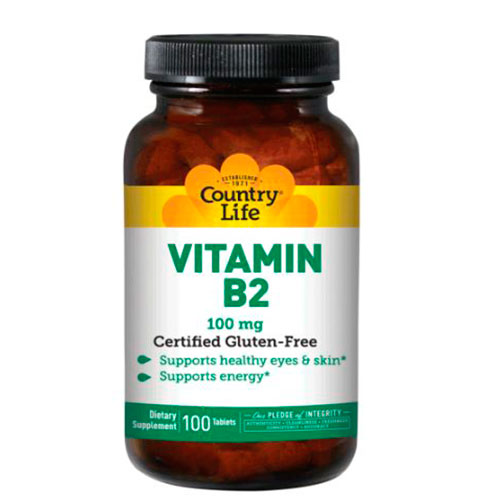
Vitamin B2 Supplement
Vitamin B3 (Niacin)
The Role of Vitamin B3 in the Body
Vitamin B3, also known as niacin or nicotinic acid, plays a significant role in various bodily functions. This vitamin is water-soluble, meaning the body does not store large amounts of it and requires a regular supply through food.
Energy metabolism. Niacin is involved in the metabolism of carbohydrates, fats, and proteins and helps convert them into energy. It is a key cofactor for certain enzymes involved in oxidation processes that provide energy from food.
Cholesterol regulation. Niacin may help lower levels of “bad” cholesterol (LDL) and triglycerides in the blood and raise levels of “good” cholesterol (HDL), which contributes to cardiovascular health.
Circulatory system. Niacin helps dilate blood vessels, which can improve blood circulation and support heart health.
Antioxidant effects. Vitamin B3 has antioxidant properties that help combat the causes of oxidative stress and protect cells from damage.
Support for the nervous system. Niacin plays an important role in maintaining the health of the nervous system. It influences the synthesis of various neurotransmitters, such as serotonin, and helps support normal nerve function.
Regulation of hormonal balance. Niacin influences certain hormones, such as insulin and other hormones that regulate metabolism.
Dosage and Daily Intake
The recommended daily intake for adults over 19 years of age is 16 mg for men, 14 mg for women, 18 mg for pregnant women, and 17 mg for breastfeeding women.
Vitamin B6 (pyridoxine)
The role of vitamin B6 in the body
Amino acid metabolism. Vitamin B6 is an important cofactor for many enzymes involved in the metabolism of amino acids—the basic building blocks of proteins. It helps convert amino acids into the necessary components used for the synthesis of proteins and other important molecules.
Synthesis of neurotransmitters. Vitamin B6 is essential for the synthesis of neurotransmitters such as serotonin, dopamine, and gamma-aminobutyric acid (GABA). These chemicals influence mood, behavior, sleep, and other physiological functions.
Hemoglobin. Vitamin B6 interacts with iron, which aids in the synthesis of hemoglobin—the main component of red blood cells. Hemoglobin is essential for transporting oxygen from the lungs to other tissues in the body.
Immune system function. Vitamin B6 supports normal immune system function. It helps keep immune cells active, which aids in fighting pathogens and diseases.
Regulation of hormonal balance. Vitamin B6 influences the metabolism of hormones such as estrogen and testosterone. It may help regulate hormonal balance and ensure the normal functioning of the reproductive system.
Nervous system health. Vitamin B6 supports nervous system health by promoting nerve cell function and the transmission of nerve signals.
Regulation of hormone synthesis. Vitamin B6 influences the synthesis of hormones such as insulin, which regulates blood sugar levels.
Dosage and Daily Intake
The recommended daily intake for men aged 14–50 is 1.3 mg. For women aged 14–18, it is 1.2 mg; for those aged 19–50, 1.3 mg; and for those 51 and older, 1.5 mg. During pregnancy and while breastfeeding, the amount increases to 1.9 mg and 2.0 mg, respectively.
Vitamin B6 Supplement

Vitamin B7 (biotin)
The role of vitamin B7 in the body
Metabolism of carbohydrates, fats, and proteins. Biotin helps break down carbohydrates, fats, and proteins, converting them into the energy needed for the body to function.
Synthesis of fatty acids. Vitamin B7 plays an important role in the synthesis of fatty acids, which are essential for healthy skin, hair, and nails.
Healthy skin, hair, and nails. Biotin helps maintain healthy skin, hair, and nails, keeping them strong, smooth, and healthy.
Support for the nervous system. Vitamin B7 plays a significant role in supporting nervous system health by helping to transmit nerve impulses.
Glucose synthesis. Biotin is involved in glucose synthesis, which is important for regulating blood sugar levels.
Amino acid metabolism. Vitamin B7 is an important cofactor for several enzymes involved in amino acid metabolism.
Dosage and Daily Intake
The daily requirement for biotin depends on age, gender, and other factors, but adults are generally recommended to take about 30–100 micrograms per day.
Vitamin B7 Supplement

Vitamin B9 (Folic Acid)
The Role of Vitamin B9 in the Body
DNA and RNA Synthesis. Folic acid is essential for the synthesis and repair of DNA and RNA — the body’s primary genetic materials. It plays a significant role in cell development and growth.
Embryonic development. Folate is important for the development of the fetal neural tube during early pregnancy. This helps prevent certain birth defects.
Immune system support. Folic acid helps maintain optimal immune system function by ensuring the normal functioning of immune cells.
Amino acid metabolism. Folate influences amino acid metabolism, helping to convert them into the necessary components for the synthesis of proteins and other molecules.
Red blood cell formation. Folic acid promotes the formation of mature red blood cells that carry oxygen throughout the body.
Regulation of homocysteine levels. Folate helps lower homocysteine levels in the blood, which may reduce the risk of cardiovascular disease.
Dosage and Daily Intake
The recommended daily intake of vitamin B9 for men and women over 19 years of age is up to 400 mcg. Pregnant and breastfeeding women need 500–600 mcg.
People who drink alcohol regularly should consume at least 600 mcg of folic acid, as alcohol can impair its absorption.
Vitamin B9 Supplement

Vitamin B12 (cobalamin)
The role of vitamin B12 in the body
Role in DNA synthesis. Cobalamin influences the process of DNA synthesis, the genetic material necessary for the growth, development, and regeneration of the body’s cells.
Support for the nervous system. Vitamin B12 plays a significant role in maintaining the health of the nervous system. It promotes the formation of myelin—a protective sheath surrounding nerve fibers that ensures faster transmission of nerve impulses.
Red blood cell formation. Vitamin B12 is essential for the formation of mature red blood cells (erythrocytes). This helps ensure normal oxygen transport throughout the body and prevents the development of anemia.
Supporting amino acid metabolism. Cobalamin is involved in the metabolism of amino acids, which are the building blocks of proteins. Vitamin B12 helps convert amino acids into the components necessary for protein synthesis.
Lipid metabolism. Vitamin B12 promotes the breakdown of fats and carbohydrates, regulating the body’s energy metabolism.
Myelin formation. Cobalamin plays a significant role in the formation of myelin, which is a component of the myelin sheaths surrounding nerve fibers. This helps maintain normal nervous system function.
Strengthening the immune system. Vitamin B12 helps strengthen the immune system, helping the body fight off infections and diseases.
Healthy skin, hair, and nails. Cobalamin supports skin health, promotes hair growth, and strengthens nails.
Dosage and Daily Intake
The recommended daily intake of vitamin B12 for adults over 19 years of age is 16 mg for men, 14 mg for women, 18 mg for pregnant women, and 17 mg for breastfeeding women.
Vitamin B12 Supplement

Scientific Sources:
Thiamine (Vitamin B1): Information for Healthcare Professionals — NIH Office of Dietary Supplements
Niacin (vitamin B3): Information for Healthcare Professionals — NIH Office of Dietary Supplements
Vitamin B6: Information for Health Professionals — NIH Office of Dietary Supplements
Biotin (Vitamin B7): Information for Healthcare Professionals — NIH Office of Dietary Supplements
Folate (Vitamin B9): Information for Healthcare Professionals — NIH Office of Dietary Supplements
Vitamin B12: Information for Healthcare Professionals — NIH Office of Dietary Supplements
B Vitamins: Functions and Medical Applications — A Review in PubMed