The human foot has more than 25 bones, dozens of muscles, ligaments, and tendons that work together to perform their main function: supporting the body, maintaining balance, and absorbing shock during movement.
A healthy foot has two natural arches—the longitudinal and transverse arches. The transverse arch is located under the base of the toes, while the longitudinal arch runs along the inner edge of the foot. The arches form a curve inside the foot that acts as a shock absorber:
- softens impacts while walking, running, or jumping;
- helps maintain balance, stability, and smooth movement;
- distributes the load on the musculoskeletal system;
- stores and releases energy while walking;
- adapts the foot to uneven surfaces;
- protects the nerves and blood vessels in the soles of the feet.
A deformity in which the anatomical relationship of the foot bones—which normally provides shock absorption—is disrupted is called flatfoot (Pes planus, flat foot).
What Is Flat Foot and Why Does It Occur?
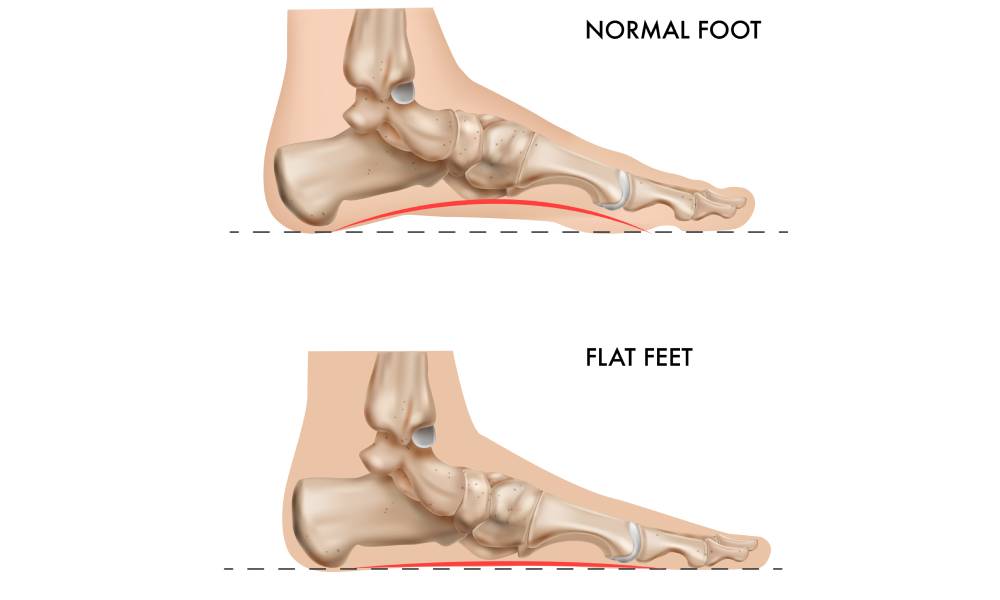
Flat Foot is a change in the shape of the foot in which one or both arches collapse, causing the entire sole of the foot to come into contact with the ground. This disrupts shock absorption and increases the load on the bones, joints, and spine, which over time leads to pain, fatigue, and poor posture.
Flat feet can be congenital or acquired. All infants have naturally flat feet; their arches develop as they begin to walk, so it’s important to monitor foot development from early childhood. Cases of congenital flat feet are quite rare; they result from developmental abnormalities and are diagnosed as early as the maternity ward. These infants require immediate surgical intervention followed by proper care.
Types of Flat Feet
Based on the characteristics of the foot deformity, flat feet are classified into three types:
- Longitudinal flat feet, in which the longitudinal arch is deformed, the foot appears “flattened,” and the area of contact with the floor or ground increases. The foot often becomes longer. This type of flatfoot is accompanied by rapid fatigue and pain in the feet and calves. The condition is more commonly diagnosed in children.
- Transverse flatfoot manifests as a flattening of the transverse arch, leading to deformation of the toes. It is accompanied by widening of the forefoot, the formation of a “bump” at the big toe (hallux valgus), and pain in the forefoot. It is more common in adults, especially women.
- Combined (mixed) flatfoot:
- longitudinal-transverse flatfoot, which exhibits features of both types of deformity;
- flat-valgus deformity of the feet, more common in children. It manifests as a curvature of the foot’s axis: the heel and toes point outward, while the midfoot points inward.
- Uncomfortable shoes. Narrow shoes, high heels, and tight or ill-fitting footwear can seriously affect foot health. High heels alter the foot’s natural position, shifting the center of gravity forward. This forces the muscles and ligaments to work harder, overloads the forefoot, and leads to changes in the alignment of the knees, pelvis, and spine. Regularly wearing such shoes can contribute to the development of flat feet, foot pain, and posture problems. Ill-fitting shoes constrict the foot, impair blood circulation, and disrupt normal biomechanics of movement. This can cause rapid fatigue, swelling, and, over time, the development of flat feet and leg pain.
- Excess weight. Every day, the feet support the entire body’s weight, and when subjected to excessive strain, their structures gradually become overloaded. The arch of the foot weakens, losing its shock-absorbing function. This is especially true for people who are overweight. Such pressure can contribute to the development or worsening of flat feet.
- Level of physical activity. A lack of movement weakens the muscles of the foot and lower leg, which hinders the proper formation of the arch. At the same time, excessive or premature athletic activity (especially in children) can overload the musculoskeletal system and contribute to the development of flat feet.
- Overloading the musculoskeletal system can also cause flat feet. Athletes and people who spend all day on their feet or carry heavy loads are at risk of developing flat feet due to constant strain on the feet.
- Medical conditions. Flat feet can develop not only due to lifestyle factors but also as a result of various medical conditions:
- Injuries. Fractures, dislocations, or severe sprains of the foot’s ligaments disrupt its anatomical integrity. Without rehabilitation until full recovery, this can lead to an imbalance in the distribution of weight on the foot and a gradual flattening of its arches.
- Rickets. Weakening of bone structure due to vitamin D deficiency can cause rickets-related flatfoot—primarily in children.
- Paralysis. Damage to the nervous system (for example, in cerebral palsy or following polio) can cause paralytic flatfoot due to a loss of muscle tone in the foot and lower leg.
- Static flatfoot. The most common form (over 80% of cases). It results from decreased muscle tone, weak ligaments, and overloading of the musculoskeletal system. It is more common in adults with a sedentary lifestyle or who experience excessive strain.
- Genetics. If your parents or close relatives have flat feet, your likelihood of developing them increases. Congenital ligament weakness or an abnormal foot shape are hereditary, and these characteristics may manifest as early as childhood.
- increased stress on the joints—especially the knees, hips, and spine—which leads to their premature wear and tear and increases the risk of osteoarthritis and osteochondrosis;
- chronic leg pain due to overloading of the foot’s muscles and joints;
- pain in the knees, back, and lower back resulting from impaired shock absorption, which alters the biomechanics of movement;
- varicose veins due to impaired blood circulation;
- postural and gait abnormalities caused by impaired balance, which the body attempts to compensate for;
- rapid fatigue and reduced endurance due to the intense strain on muscles trying to compensate for the loss of natural shock absorption;
- increased risk of injury due to reduced stability, impaired balance, and poor coordination.
- decreased physical activity due to pain, discomfort, and an increased risk of injury.
- Legs get tired quickly after walking or standing. If your legs feel “tingly” and ache even after a short walk, this is one of the first symptoms of flat feet. Due to the improper position of the arch, the ligaments and muscles become overstrained, and even the slightest physical exertion causes rapid fatigue.
- Pain in the feet, calves, and knees. Improper weight distribution causes pain not only in the feet, but also in the knees, hips, and even the lower back. If you experience a pulling pain or discomfort in these areas, especially after prolonged standing or walking, it may be related to flat feet.
- Discomfort during prolonged standing. A feeling of heaviness in the legs, numbness, tingling in the feet, or pain—the muscles and ligaments are unable to support the body’s weight in the correct position.
- Calluses and corns. Thickened skin, calluses, or corns on the inner part of the foot or under the toes may indicate an abnormal foot position.
- Foot deformity. Widening of the forefoot, deviation of the big toe, changes in the width or length of the foot, and frequent swelling are signs of developing flat feet.
- if there is a clear “gap” between the heel and the front of the foot, the arch is normal;
- if the footprint is completely solid, with no distinct curve on the inner side of the foot, you may have flat feet.
- feet turned outward;
- a heavy, unresponsive gait;
- a loss of arch height.
- the sole wears down unevenly: more on the inner side or at the front;
- shoes lose their shape quickly;
- heels and soles wear down only in certain areas;
- you experience discomfort even in shoes you’re used to wearing.
- Perform the exercises barefoot to better activate the muscles;
- Exercise regularly—every day or every other day for 15–20 minutes;
- Each exercise should last 30–60 seconds; if desired, you can do 2–3 sets:
- Adjust the intensity according to your individual needs;
- If you experience pain or discomfort, reduce the intensity or take a break;
- To feel safe while doing balance exercises, choose a spot near a wall or place a chair nearby;
- Do the exercises in a good mood and alternate between active movements and rest.
- plantar fascia;
- short toe flexors;
- small muscles of the foot.
- toe flexors;
- short muscles of the foot;
- internal muscles of the foot that support the arch.
- calf muscles—when rising onto your toes;
- anterior tibialis muscle—when standing on your heels;
- stabilizers of the foot and ankle joint.
- improve coordination and develop balance;
- strengthening the calf and shin muscles;
- stimulating the small muscles of the foot;
- strengthening the ligaments that support the arch;
- relieve tension and fatigue in the legs;
- stimulate blood circulation in the limbs.
- strengthen the muscles and ligaments that support the longitudinal and transverse arches;
- improve blood circulation in the feet and calves;
- prevent the development of flat feet or correct it in the early stages;
- reduce fatigue and pain in the legs after prolonged standing or walking.
- improve coordination and balance;
- improve the foot’s shock-absorbing properties, which reduces stress on the joints.
- avoid secondary problems with the knees, pelvis, and back caused by impaired foot biomechanics.
- Pantography—a method for diagnosing the condition of the feet based on obtaining an impression of their plantar surface. The impression allows for the assessment of the foot’s anatomical and functional parameters, specifically the degree of flatfoot, load distribution, and spring-like functions.
- X-rays of the feet are taken in an upright position to assess the condition of the bones, joints, and soft tissues under load. The examination helps identify deformities, joint dislocations, the effects of injuries, and other pathologies that are not always visible when the patient is lying down.
- Podometry—the measurement of foot parameters to assess the presence and degree of flatfoot. The method involves measuring the height of the foot (the distance from the sole to the upper edge of the navicular bone) and its length, followed by the calculation of the podometric index.
Degrees of flatfoot
First-degree flatfoot. Mild lowering of the arch; symptoms are mild. Discomfort occurs when walking, and the legs tire quickly after minimal exertion. Sometimes the feet swell. The gait loses its springiness.
Second-degree flatfoot. Moderate deformation of both arches. Constant pain develops, which may radiate to the knees, along with a feeling of fatigue. Gait is noticeably impaired; clubfoot may occur.
Grade 3 flatfoot. Severe deformation of the feet. Significant gait disturbance; it is difficult to walk even short distances. Pain is felt with the slightest exertion. The function of the entire musculoskeletal system is impaired, and headaches may occur.
Acquired flatfoot develops due to dysfunction of the muscles, ligaments, and fascia that support the arch of the foot. Weakened muscles of the lower leg and foot cannot hold the bones in the correct position; the ligaments stretch, the arch loses its rigidity, and the foot begins to “sink,” gradually lowering under the weight of the body. Since the load exceeds what the foot can bear without support, it flattens, altering the biomechanics of walking and triggering a “chain reaction”: flat feet alter gait, cause problems in the knee joints, and affect the pelvis and spine.
Main Causes of Flat Feet
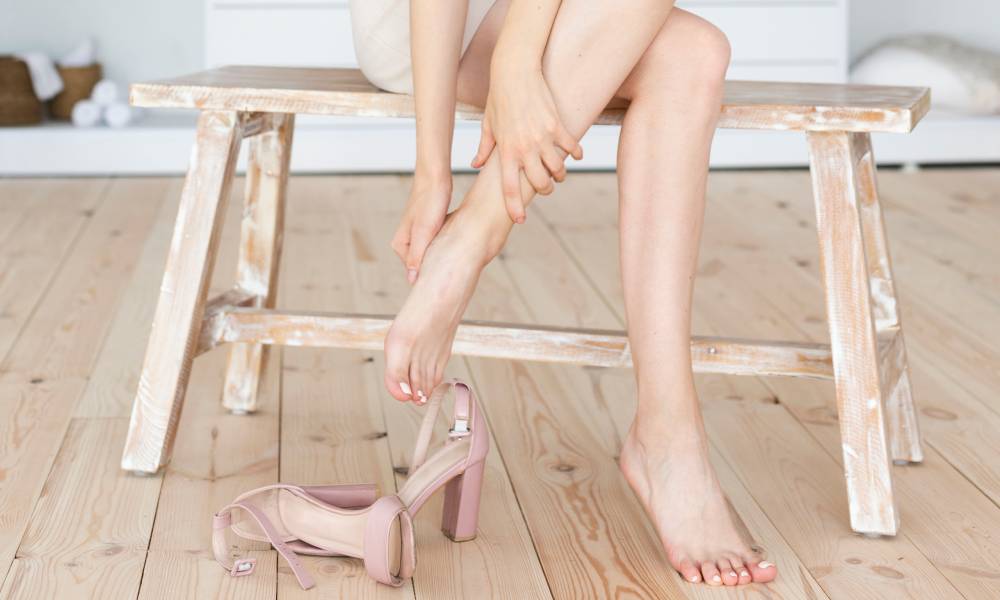
Flat feet most often develop during childhood or adolescence and can progress over time. Therefore, it is important to monitor a child’s development from an early age.
Causes of flat feet:
Congenital foot abnormalities account for only 5% of cases. The remaining 95% result from our daily activities. There are many causes of flat feet, and they often overlap, but this does not mean the situation is hopeless. If the problem is detected early and preventive measures are taken, it is possible to significantly improve the condition and prevent the development of more serious diseases.
The Dangers of Flat Feet

Flat feet is a chronic condition that can affect the health of the entire body, from the joints and spine to posture and even the functioning of internal organs. Deformation of the foot and impaired shock-absorption functions can lead to dangerous complications:
How to Identify Flat Feet
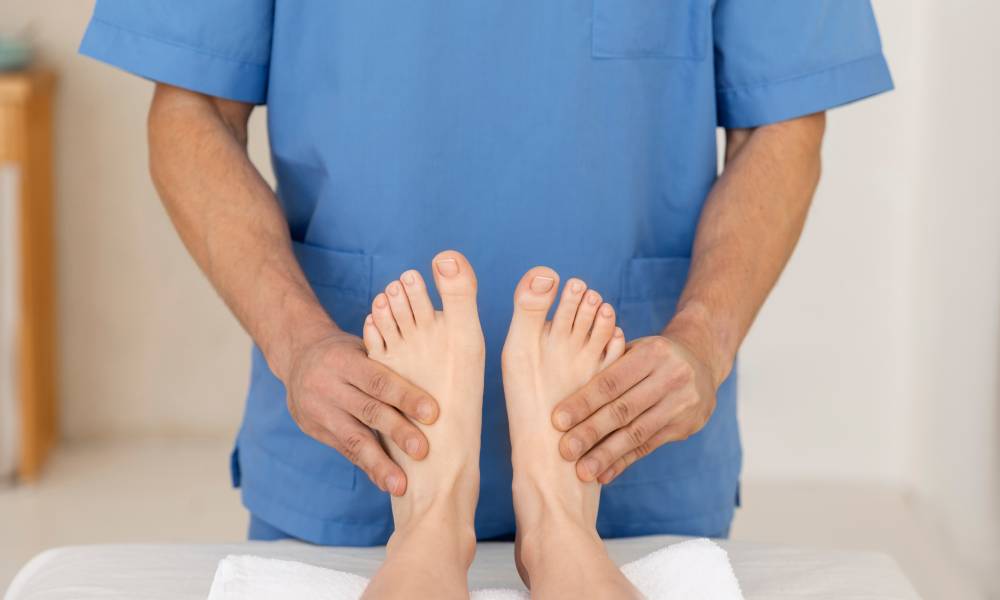
Flat feet often develop gradually, and in the early stages, a person may not notice the symptoms. But there are several signs that may indicate a problem, as well as simple ways to check for it at home.
Main symptoms:
All of these symptoms may appear individually or in combination, depending on the stage of flatfoot. If you recognize symptoms similar to yours among those listed above, it’s time to see a doctor.
How to Check for Flatfoot at Home
There are several simple methods for checking for flatfoot at home.
The “Wet Footprint” Test
Wet your foot with water or apply a thick layer of greasy cream. Stand on a sheet of paper or any smooth surface to make a footprint.
Look closely at the footprint:
Pencil or String Test
Place a pencil or a straight piece of string under your foot where the arch should be. If your foot is in full contact with the floor, with no gap—this may be a sign of flat feet.
Assessing Your Gait in Front of a Mirror
Walk barefoot several times in front of a mirror or ask someone to record a video from the side and from behind.
You may notice certain signs of flat feet:
Shoe Wear
Certain signs of how your shoes wear down may indicate the development of flat feet. Normally, when walking correctly, shoes wear down evenly, but if your gait is impaired due to improper weight distribution, you may notice the following signs:
Exercises for Flat Feet
Simple exercises for flat feet that you can do at home and that don’t require any special equipment will help strengthen your muscles and restore your feet to their proper shape.
General tips for therapeutic exercises:
Rolling a Bottle or Tennis Ball
Sit on a chair with your feet flat on the floor and your back straight. Place an empty plastic bottle or a small ball (a children’s ball, tennis ball, or any other ball) under the sole of your foot and slowly roll it back and forth from heel to toes with the sole of your foot, keeping your foot in contact with the ball. Perform the exercise for 1–2 minutes on each foot, doing 2–3 sets.
Which muscles are worked:
This exercise improves blood circulation in the foot, massages the ligaments and muscles to relieve tension, strengthens the muscles, improves flexibility, and helps form the arch of the foot.
Picking up small objects with your toes
You can do this exercise while sitting or standing. Spread small objects out on the floor in front of you: pencils, buttons, hair ties, pieces of fabric, etc. Pick up one object at a time with the toes of your right foot and transfer it to the left. Once you’ve moved all the objects, repeat the same process with your left foot. Repeat 10–15 times for each foot.
Which muscles are worked:
This exercise develops strength and coordination in the small muscles, stimulates the foot to function as a single shock-absorbing system, and helps stabilize the longitudinal and transverse arches.
Standing on Toes and Heels
Stand up straight with your feet shoulder-width apart. Rise onto your toes, hold your balance for 5–10 seconds, then lower yourself. Raise your heels, stand on your heels, and hold your balance for 5–10 seconds. Repeat 10–15 times, doing 2–3 sets.
Which muscles are engaged:
This exercise trains dynamic balance, activates the muscles that support the arches of the foot, and improves control over foot position.
Exercises on an unstable surface
For exercises on an unstable surface, you can use a large towel or blanket rolled up several times, a decorative pillow filled with silicone, an orthopedic mat, a partially deflated inflatable travel pillow, a piece of foam, foam rubber, or any mat with a textured surface.
Exercises You Can Do on an Unstable Surface
Rolling from Heel to Toe. Stand with both feet on a soft surface and slowly roll from your toes to your heels and back. Maintain your balance without using your hands. Perform 10–15 repetitions.
This exercise activates the calf muscles and stabilizes the arch of the foot.
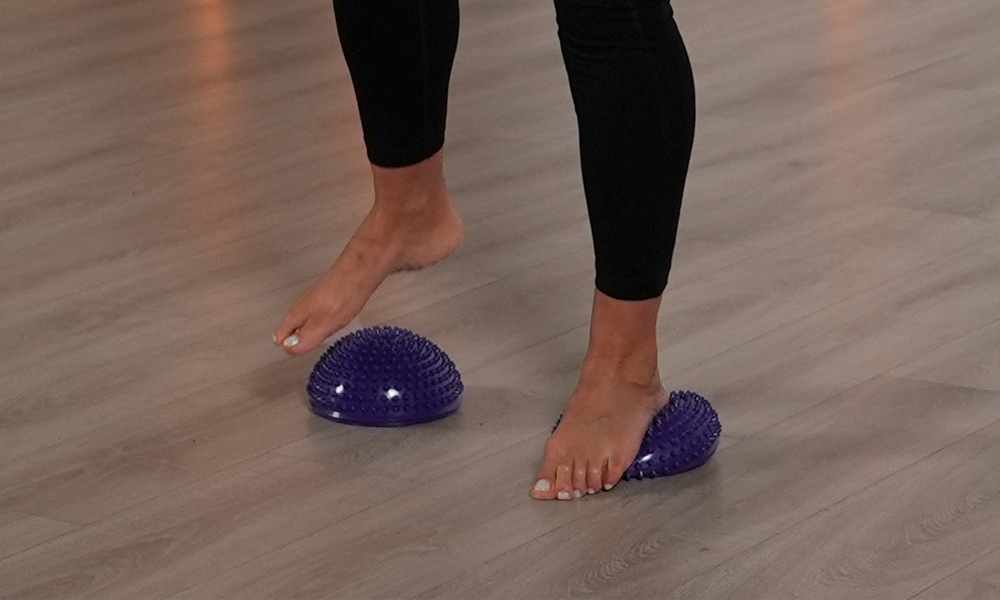
Circles with one leg in the air. Place one foot on an unstable surface; with the other, draw circles in the air—5 times in one direction. Try to keep your back straight and maintain your balance without support. If the exercise is difficult, use a chair or wall for support.
This exercise helps improve balance and strengthens the stabilizing muscles of the pelvis, feet, and core.
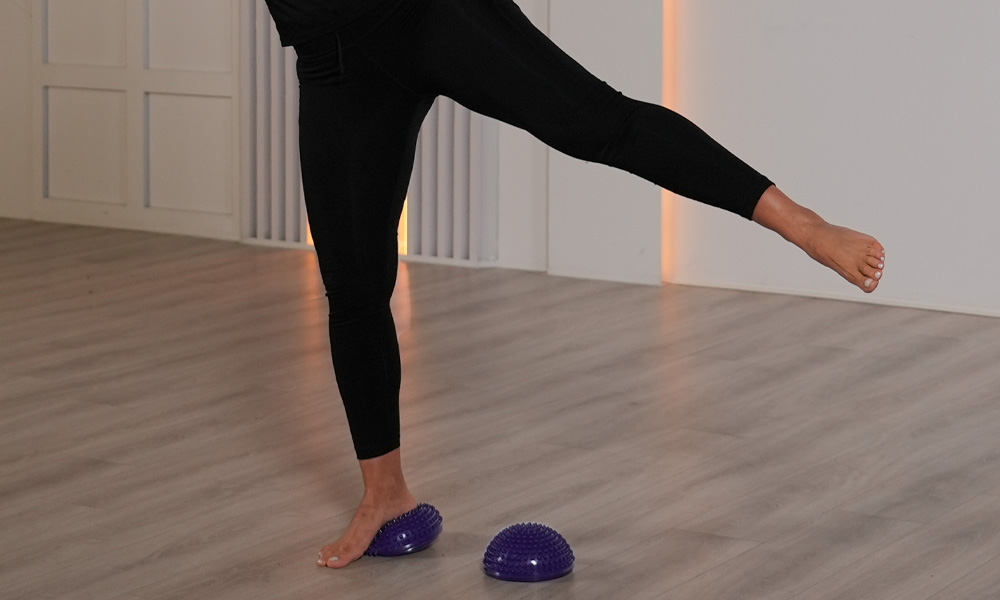
Rising onto the toes. Stand with both feet on the surface, slowly rise onto your toes, hold this position for 2–3 seconds, then lower yourself. Perform 10–15 repetitions in 2–3 sets.
This exercise is beneficial for the arch of the foot and for strengthening the calf muscles.
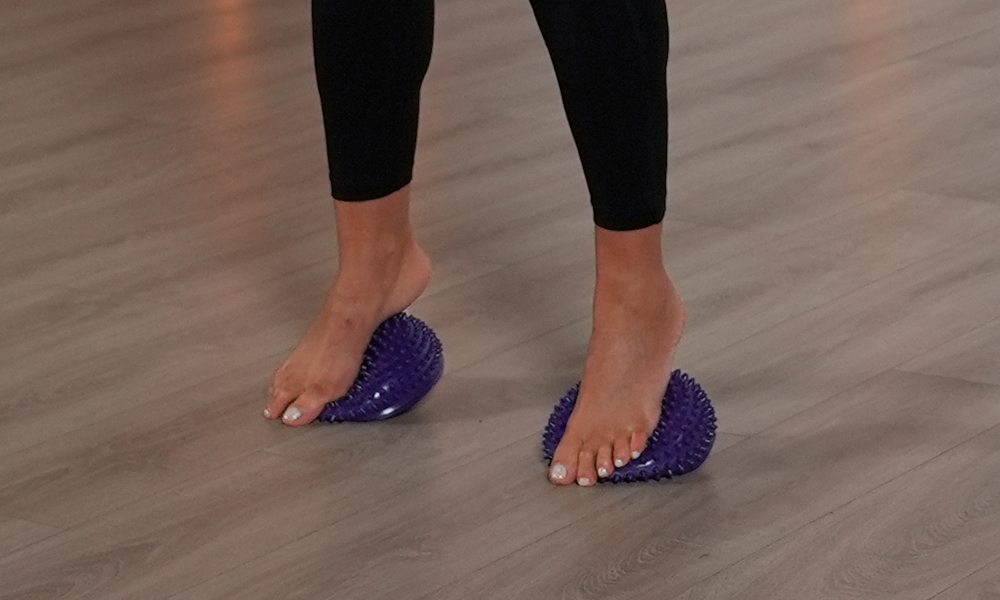
Half-squats with arms raised. Place your feet on an unstable surface, and slowly squat while raising your arms upward. Make sure your knees don’t cave in. Perform 10–15 squats.
This exercise promotes overall stability and engages the muscles of the lower body and core.
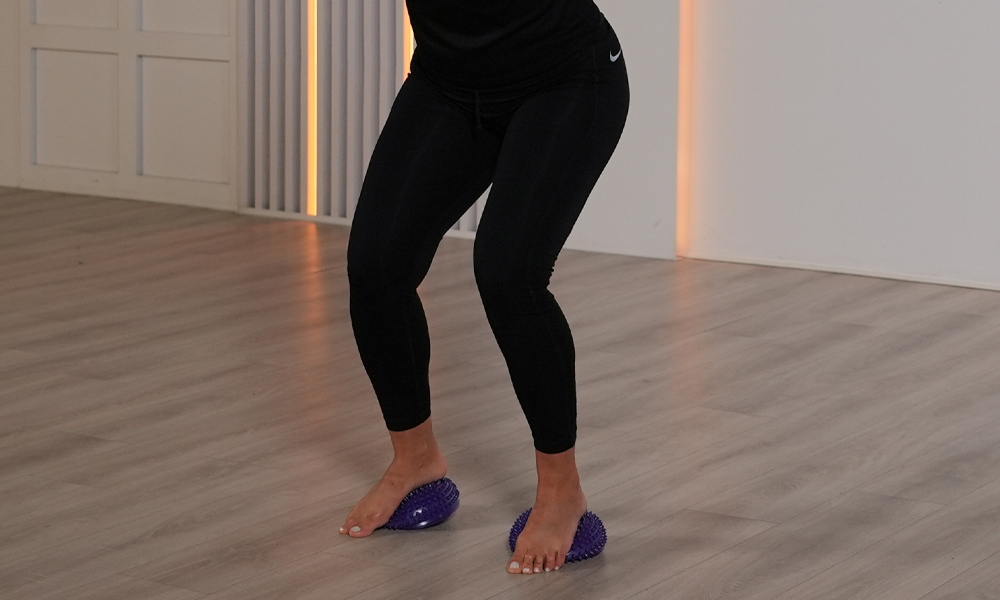
Performing these simple exercises at home improves balance and coordination, develops body awareness, and strengthens the muscles of the feet and calves.
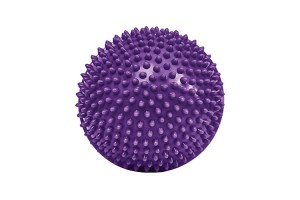
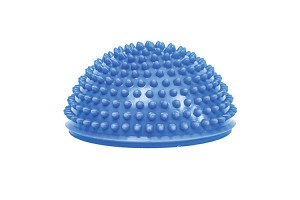
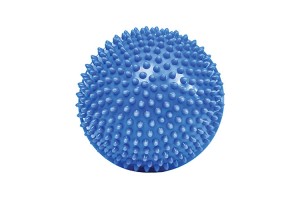
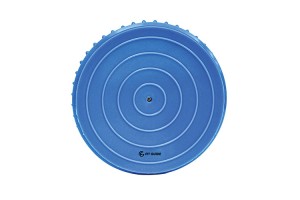
Massage hemispheres for flat feet—a simple way to strengthen your feet
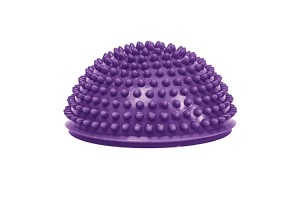
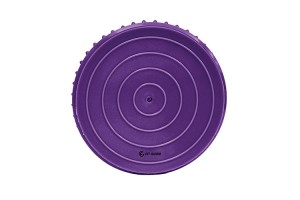
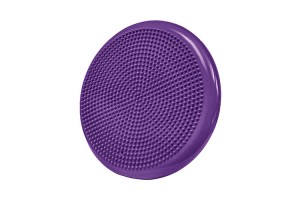
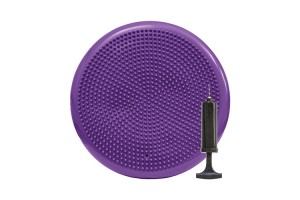
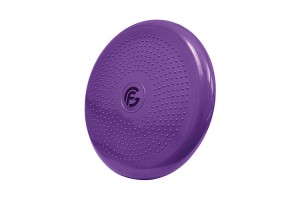
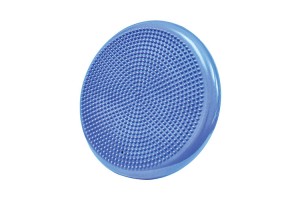
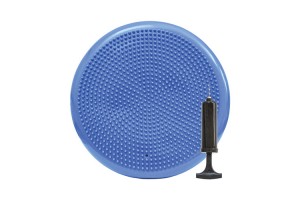
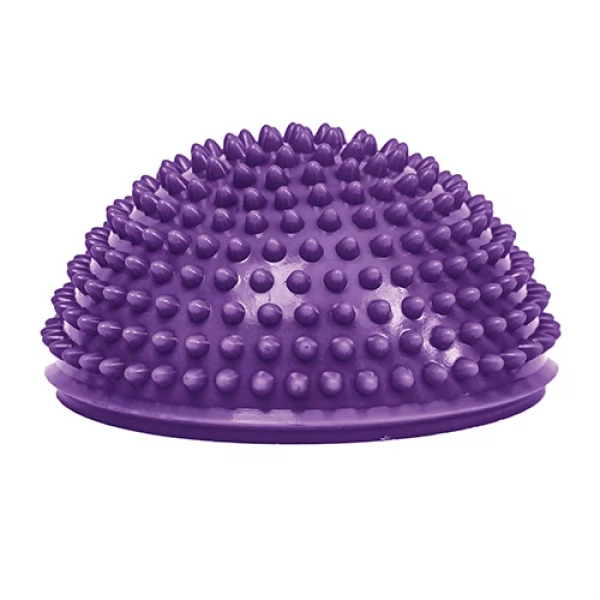
To prevent and correct foot deformities, there are special massage devices—soft balancing cushions or hemispheres made of durable, wear-resistant rubber.
The surface of these massage hemispheres is covered with nubs—when pressed, they apply targeted pressure to the sole, stimulating acupressure points. Thanks to their unstable surface and textured structure, the hemispheres stimulate blood circulation, activate the small muscles of the foot, strengthen the ligaments that support the arch, and improve proprioception (the sense of the body’s position in space).
In the prevention and treatment of flat feet, the balancing hemisphere is used to:
Fit Guide soft massage balance hemispheres with spikes are a simple and effective tool for the prevention and treatment of flat feet or valgus feet. They can be used at home for 10–20 minutes each day. They are suitable for both adults and children, but children should use them under parental supervision.
Why It’s Important to Train Your Feet
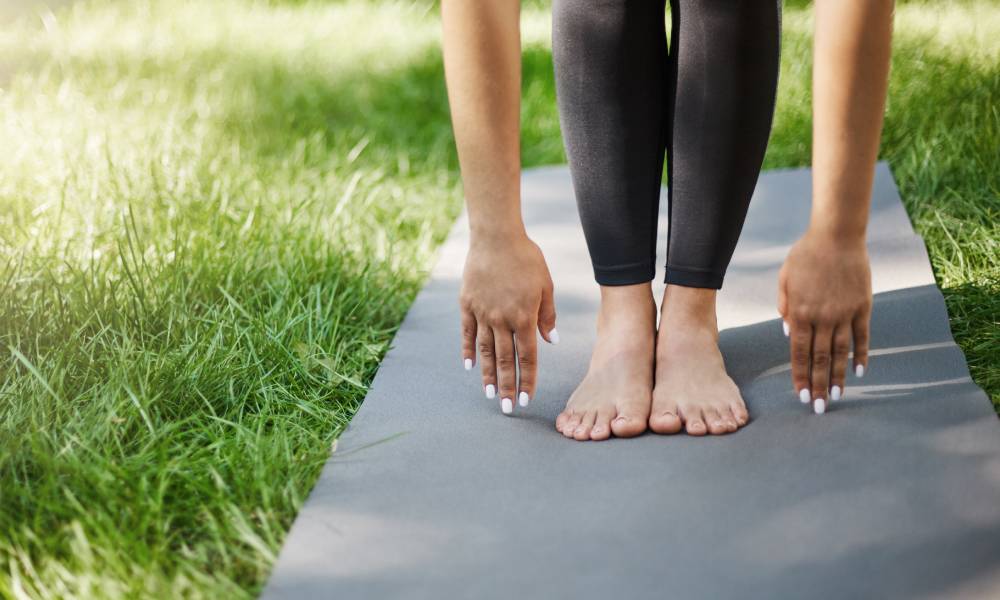
Healthy feet affect posture, balance, and overall well-being. Regular foot exercises help:
When to See a Doctor
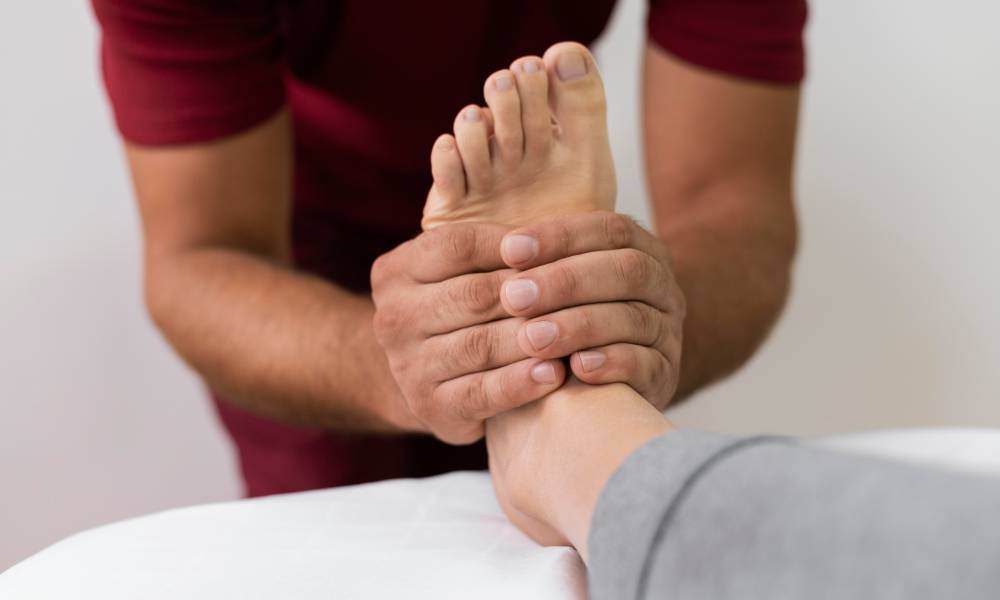
The onset of pain or discomfort while walking is a clear sign that you need to see a doctor.
Which doctor should you see for flat feet?
An orthopedic surgeon specializes in treating flat feet in adults and children. To determine the severity and type of flat feet, the doctor performs a visual examination and palpation and may order a series of additional tests.
How is flatfoot diagnosed?
Flatfoot is diagnosed using the following methods:
The podometric index is calculated as foot height/foot length × 100.
Podometry allows for the identification of deviations from the normal shape of the foot arch, which may arise due to congenital or acquired factors. The method is often used to diagnose flat feet in children and is important for correcting deformities at an early stage.
Can flat feet be cured in adulthood?
Once the growth plates have closed, it is not possible to significantly alter the shape of body parts. Therefore, complete restoration of the arch of the foot in adults is unlikely, and a radical correction can only be achieved through surgery. Regular exercises, massage, and special orthopedic devices, which help normalize the condition of the foot, improve its sensitivity, and relieve tension and discomfort during movement.
At what age can massage hemispheres be used?
Massage hemispheres can be used starting at 3–4 years of age under adult supervision, as part of play. It is important for children to start with soft, gentle surfaces.
Do massage hemispheres help with foot pain?
Yes, they improve blood circulation, relieve tension, and stimulate the small muscles of the foot, which often reduces pain and fatigue.
How long should you exercise on the hemispheres each day?
You can start with 10–15 minutes a day, gradually increasing the duration and difficulty of the exercises.
Can flat feet go away on their own?
Flat feet in children, especially those under 5 years old, can be a normal physiological condition, as the arches of the foot are still developing. With support for the healthy development of the foot’s muscles and ligaments, the arch forms on its own, and “childhood flat feet” often disappear without treatment. In adolescents and adults, however, this is not the case—correction or treatment is necessary.