Water is a vital element for the human body, and drinking enough water is one of the key aspects of maintaining the health of all bodily functions and systems. In this article, we’ll explore the health benefits of drinking enough water and answer some questions.
Health benefits of drinking enough water
Adequate hydration is a key factor in maintaining good health, and here are a few reasons why:
- Hydration of organs and tissues. Water is a key component of many tissues and organs; drinking plenty of water helps supply the body’s organs with the moisture they need, thereby supporting their health.
- Regulation of body temperature. Maintaining an optimal body temperature directly depends on drinking water; it is especially important to drink enough water during physical activity and in hot weather, when the body loses moisture through sweating.
- Detoxification. Clean water is an important component of the body’s detoxification process. Water helps flush toxins and other substances out of the body.
- Improved digestion. Drinking water promotes better digestion; it helps break down food and facilitates the digestive process.
- Maintaining healthy skin. Hydration is very important for healthy skin. Hydrating the body helps relieve dryness, flaking, and tightness of the skin. Additionally, adequate hydration delays the appearance of wrinkles, and the skin remains supple and youthful for longer.
- Supporting brain function. Dehydration reduces oxygen flow to the brain and increases the risk of high blood pressure or narrowed blood vessels. Over time, these processes can lead to impaired cognitive function, which may contribute to the risk of stroke. Adequate water intake supports proper brain function by positively influencing cognitive abilities.
How much water do you need?
The World Health Organization recommends that adults consume 1.5 to 2 liters of water per day to maintain normal hydration. However, it’s important to remember that determining the necessary fluid intake depends on several factors, such as physical activity level, climatic conditions, and overall health.
People with active lifestyles who exercise or live in hot climates should drink more than 2 liters of clean drinking water per day.
A dietitian can help determine the necessary amount of water to drink after assessing individual water needs based on specific factors that affect the body’s hydration.

What factors influence fluid requirements?
Body weight. The greater the body weight, the more fluid the body needs to maintain water balance.
Activity level. People who engage in sports or physical labor lose more fluid due to increased sweating; they need to replenish lost fluids by drinking water.
Diet. If you consume excessive amounts of salty, fried, or sweet foods, you need to drink more water to improve kidney and liver function; this will help them better cope with the strain after a “heavy” meal.
Other factors. These include climatic conditions, health status, and pregnancy.
Symptoms that you’re not drinking enough water
A lack of water in the body disrupts metabolic processes and the elimination of toxins, leading to dehydration. Severe dehydration occurs due to overheating and excessive sweating caused by heat, as well as due to diarrhea, vomiting, or a high body temperature.
You may not immediately notice a lack of water, as the body adapts to this condition. To prevent dehydration, you must follow a proper drinking regimen and drink clean water regularly. Certain symptoms can help you recognize fluid loss.
Dry mouth
A common symptom of dehydration is a frequent sensation of dryness in the mouth. When the body’s water balance is disrupted, the amount of saliva in the mouth decreases, which can lead to a feeling of dryness and discomfort. In addition, a dry mouth can lead to more serious problems, such as tooth decay and gum disease.
Headaches
Dehydration can also lead to headaches and migraines. When the body is dehydrated, your brain may begin to shrink, leading to painful sensations. Furthermore, a lack of water can cause blood vessels to constrict, which can also lead to headaches or dizziness.
Fatigue
Feeling tired and sleepy can be another sign of dehydration. When the body is not sufficiently hydrated, it begins to draw on internal reserves, including those from the blood, which leads to a lack of oxygen. This process causes fatigue and drowsiness. When the body is dehydrated, even a full 8 hours of sleep won’t leave you feeling rested and refreshed.
Other Symptoms
Dehydration can also manifest in other ways. For example, you may experience dry, itchy skin, digestive issues, joint pain, increased sensitivity to cold, as well as kidney and bladder problems.
How can you tell if you’re drinking enough?
There are several ways to tell if you’re drinking enough water:
- Urine color. If your urine is light yellow or nearly clear, this is a sign that you’re getting enough water. If it is dark yellow or even brown, you should increase your water intake, as this color may indicate a disruption in your body’s fluid balance.
- Thirst. Thirst is a natural indicator that you should increase your water intake. When you feel thirsty, be sure to drink water in small sips and do not substitute it with other beverages.
- Weight. A slight weight loss may be a sign that you are drinking enough water. When you’re adequately hydrated, your body produces fewer fat cells.
- Energy levels. Adequate hydration helps boost your energy levels. It’s important to understand that fluid needs vary from person to person and can depend on factors such as age, gender, physical activity, and overall health. Therefore, if you’re unsure whether you’re drinking enough water, discuss this with your doctor.

Do other liquids count?
Yes, other liquids, such as tea, coffee, juices, and carbonated beverages, can also help meet your fluid needs. However, these beverages should not be considered your sole source of water, as they may contain sugar and calories that can negatively affect your health.
Fruits, vegetables, meat, and grains contain water that can help make up for a minor fluid deficit in the body, but they can in no way replace drinking pure drinking water.
Drinking pure water is the only essential source for maintaining the body’s proper water balance, while coffee, tea, and juices can only serve as a supplement to drinking water intake.
Is it safe to drink distilled water?
Distilled water is water that has been purified through boiling and steam condensation. It is free of minerals and other substances that may be present in regular water.
Short-term consumption of distilled water is unlikely to cause health problems, but using it as the sole source of drinking water can be harmful.
Tap water and some sources of drinking water may contain important minerals and electrolytes, such as calcium, magnesium, and potassium, which are essential for proper organ function. The absence of these minerals in distilled water can lead to an electrolyte imbalance in the body and disrupt certain vital bodily functions.
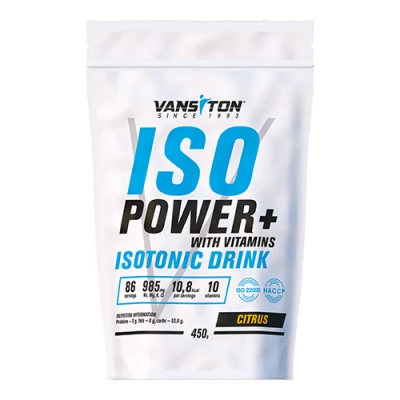
Does water with lemon juice help you lose weight?
Water with lemon can help you lose weight, but it is not a standalone weight-loss remedy. It is recommended to drink lemon water in the morning on an empty stomach, as it kickstarts the body’s metabolic processes and stimulates the gastrointestinal tract.
Lemons are a source of vitamin C and also contain large amounts of vitamins B, A, and P, as well as beneficial trace minerals (calcium, copper, iron) and nitrogenous compounds.
Lemon zest contains essential oils and phytoncides, which have a positive effect on the body, nails, hair, and skin. Zest also slows the absorption of sugar into the bloodstream and, at the same time, suppresses the feeling of hunger.
However, to lose weight, you need to focus not only on lemon water but also on a healthy diet and physical activity.
Thus, lemon water can be a useful addition to a healthy lifestyle and diet, but on its own, it cannot guarantee weight loss.

Tips and life hacks for increasing your water intake?
Increasing your water intake is an important factor in maintaining health and well-being. Here are a few tips on how to increase your water intake in everyday life.
- Carry a water bottle with you. When you always have a water bottle on hand, you can quench your thirst at any moment, which in turn will help you avoid dehydration and discomfort such as a dry mouth.
- Drink flavored water. Water with lemon, mint, cucumber, or berries can be a tasty alternative to plain water and help increase your fluid intake.
- Eat fruits and vegetables with high water content. Some fruits and vegetables, such as watermelons, cantaloupes, cucumbers, and tomatoes, contain large amounts of water and can help maintain proper hydration.
- Reduce your intake of caffeine and alcohol. Coffee and alcohol can cause dehydration and reduce your desire to drink water.
Scientific sources:
Water for Household Needs: Water Consumption Requirements and the Consequences of Dehydration
Dietary Reference Values: Summary Report — Adequate Water Intake
About Water and Healthier Beverages
Results of randomized clinical trials examining changes in daily water intake: a systematic review
The effect of water intake on weight loss: a systematic review
The relationship between water intake and body weight indicators: a systematic review
Reference intakes for water, potassium, sodium, chloride, and sulfate: water