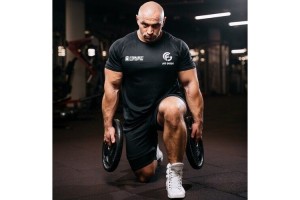
The Importance of Proper Nutrition After a Workout
Proper nutrition promotes muscle recovery and restores energy, provides the necessary nutrients—such as protein and glycogen—and supports overall health while improving well-being after a strenuous workout. Consuming the necessary amount of protein after a workout helps improve muscle endurance and increase muscle mass.
During a workout, muscles use glycogen (a stored form of carbohydrates) as an energy source. Proper nutrition after a workout helps replenish glycogen levels in the muscles, allowing you to restore energy and prepare for your next workout. Additionally, after a workout, the body needs extra energy, and a proper diet provides the body with sufficient energy to help it recover and maintain overall energy balance.
Proper nutrition helps normalize blood sugar levels, regulates hormonal balance, supports immune system function, and provides the necessary vitamins and minerals. This helps speed up the body’s recovery process after physical exertion, reduce recovery time, prevent overexertion and injuries, and improve overall post-workout recovery.

Important nutrients after a workout
- Protein. Protein is a key nutrient for muscle recovery after a workout. It helps repair and build new muscle fibers. The optimal amount of protein may vary depending on individual needs and the type of workout, but in general, it is recommended to consume about 20–30 grams of protein after a workout.
- Carbohydrates. After a workout, it is important to replenish glycogen levels in the muscles, which are the primary source of energy during physical activity. Carbohydrates help restore energy and improve post-workout recovery. It is recommended to consume fast-acting carbohydrates, such as fruits, vegetables, whole grains, or sports drinks containing carbohydrates. The optimal amount of carbohydrates depends on the duration and intensity of the workout, but in general, it is recommended to consume about 30–60 grams of carbohydrates after a workout.
- Antioxidants. Intense physical activity can lead to increased production of free radicals, which can damage cells. Consuming foods rich in antioxidants, such as berries, colorful vegetables, dark chocolate, or green tea, helps combat oxidative stress and supports overall health.
- Trace minerals. Certain micronutrients, such as magnesium, calcium, potassium, and sodium, play an important role in muscle function, nervous system function, and maintaining electrolyte balance. Some examples of foods rich in these micronutrients include bananas, almonds, dairy products, and leafy green vegetables.
This is a general overview of important nutrients for post-workout recovery. Keep in mind that individual needs may vary, so consider consulting a dietitian or sports nutritionist for personalized recommendations based on your specific needs and fitness goals.
Protein: The Building Blocks for Muscle Recovery and Growth
Protein plays a key role in muscle recovery and growth after a workout.
Muscle “repair” and recovery. During a workout, muscles undergo minor damage and microtrauma. Proteins serve as the building material for repairing this damage. After a workout, proteins promote the recovery and repair of muscle fibers, which helps improve muscle endurance and increase muscle mass.
Protein synthesis. Proteins are composed of amino acids, which are the primary building blocks for the synthesis of new proteins in muscles. After a workout, the protein synthesis process is activated, and it requires a sufficient supply of amino acids. Fast-digesting proteins, such as whey protein (from milk) or whey protein isolate, are particularly effective at promoting protein synthesis.
Nitrogen balance. Proteins also play an important role in maintaining nitrogen balance in the body. After a workout, nitrogen loss can occur due to the breakdown of proteins in the muscles. Consuming an adequate amount of protein after a workout helps preserve nitrogen and ensures optimal nitrogen balance, which promotes muscle recovery and growth.
Anabolic effect. Proteins have an anabolic effect on muscles, which means they help increase protein synthesis and reduce protein breakdown. This is important for maintaining protein balance and promotes the growth and recovery of muscle tissue.
The recommended amount of protein after a workout may vary depending on individual needs, the type of workout, and other factors. In general, it is recommended to consume about 20–30 grams of high-quality protein after a workout for optimal muscle recovery and growth. For specific recommendations on protein intake, consult a dietitian or sports nutritionist who can take your personal needs and training goals into account.
Protein Sources
- Meat: poultry (chicken, turkey), red meat (beef, pork). These are excellent sources of high-quality protein and iron.
- Fish and seafood: salmon, tuna, sardines, cod, shrimp, mussels, and other seafood. Fish is also a source of high-quality protein, as well as omega-3 unsaturated fatty acids.
- Eggs: contain a full spectrum of amino acids and are an important source of high-quality protein. Protein is found in the egg white, while fats and carbohydrates are found in the yolk.
- Dairy products: Milk, yogurt, cheese, kefir, and other dairy products contain protein, calcium, and other beneficial nutrients. Easily digestible proteins, such as whey protein, can be found in whey (protein powder), which can be added to drinks or meals.
- Plant-based sources: soy, quinoa, nuts (almonds, walnuts, cashews, pecans), seeds (pumpkin seeds, sunflower seeds, flaxseeds, chia seeds), and legumes (black beans, chickpeas).

Carbohydrates: An Energy Reserve for Recovery and Glycogen Replenishment
Carbohydrates influence recovery and glycogen replenishment, which is important for restoring energy after a workout.
Glycogen Replenishment. During exercise, glycogen stores in the muscles are used as an energy source. After exercise, muscle glycogen levels may be depleted. Consuming carbohydrates after a workout helps replenish glycogen stores. Glycogen is stored in muscle tissue and the liver and is the primary source of energy during physical activity. Replenishing glycogen levels promotes energy recovery and prepares the body for the next workout.
Insulin. Carbohydrate intake promotes the production of insulin, a hormone that helps transport glucose from the blood to the muscles and liver. Insulin also stimulates glycogen replenishment by activating the enzymes responsible for its synthesis.
Energy recovery. Carbohydrates are the primary source of energy for muscles and the body as a whole. Consuming carbohydrates after a workout helps replenish lost energy, which promotes overall recovery and improves well-being.
Anabolic response. After a workout, the body is in an anabolic state, when muscles are more receptive to absorbing nutrients. Consuming carbohydrates promotes the anabolic response, supporting muscle recovery and growth.
Prevention of muscle protein breakdown. Carbohydrates also play a role in preventing muscle protein breakdown. After a workout, the body may use protein as an energy source. Consuming carbohydrates provides energy, which helps prevent muscle protein breakdown.
Given these factors, it is important to consume carbohydrates after a workout, especially within the first hour afterward. It is recommended to consume fast-digesting carbohydrates, such as fruits, vegetables, whole grains, or sports drinks containing carbohydrates. The optimal amount of carbohydrates to consume after a workout may depend on the duration and intensity of the workout, as well as individual characteristics and training goals.
Carbohydrate Sources with Low and High GI
There are carbohydrate sources with low and high glycemic index (GI). The GI indicates how quickly blood sugar levels rise after consuming a particular food.
Carbohydrate sources with a low glycemic index (low GI):
- broccoli, spinach, tomatoes, eggplant, pumpkin, white cabbage, cucumbers;
- pearl barley, barley groats, millet, quinoa, buckwheat, brown rice;
- whole-grain bread, buckwheat pancakes, whole-grain pasta;
- apples, pears, peaches, strawberries, grapes, oranges;
- black beans, chickpeas, lentils;
- low-fat yogurt, kefir, cottage cheese.
Carbohydrate sources with a high glycemic index (high GI):
- white bread, rolls, donuts, muffins;
- sugar, sugary drinks, sweets, cookies, chocolate;
- white rice, potatoes;
- carbonated drinks, juices made from concentrate;
- popcorn, sugary cereals.
Low-GI carbohydrate foods typically have a longer-lasting effect on blood sugar levels, maintain stable energy, and promote a longer-lasting feeling of fullness. Foods with a high glycemic index can quickly raise blood sugar levels and lead to a rapid energy crash.

Fats: Supporting Hormonal Balance and Overall Health
Hormonal Balance. Fats are essential for hormone production. Some hormones, such as estrogen, progesterone, and testosterone, are produced from cholesterol, which is a type of fat. Excessively restricting fats in the diet can cause hormonal imbalances, which negatively affect reproductive health, mood, and other aspects of physiology.
Protection of internal organs. Fats help protect internal organs, including the heart, kidneys, and liver, by forming a protective layer around them. They act as shock absorbers, preventing damage from impacts and friction.
Transporting vitamins. Certain vitamins, such as vitamins A, D, E, and K, are fat-soluble and require the presence of fats for their normal transport and absorption in the body. Fats help ensure the proper absorption of these important vitamins.
Energy. Fats are a concentrated source of energy. They contain more calories per gram than carbohydrates and proteins. Fats are used as a stored form of energy in the body. They also help retain body heat by acting as an insulating layer.
It is important to note that, as with everything, your diet should be balanced, and fat intake should be moderate. Healthy sources of fat, such as olive oil, avocados, fish (rich in omega-3 fatty acids), nuts, and seeds, are recommended in moderate amounts. You should avoid a diet high in saturated and trans fats, such as fast food and foods high in trans fats. Recommendations for fat intake may vary depending on individual needs, health status, and the advice of a doctor or dietitian.
Sources of Healthy Fats
- Fish. Fatty fish, such as salmon, sardines, and tuna, as well as cooking oils, contain large amounts of omega-3 polyunsaturated fatty acids. These fatty acids have anti-inflammatory properties and are beneficial for heart and brain health.
- Avocados. Avocados contain monounsaturated fats, particularly oleic acid. They help lower “bad” cholesterol (LDL) and raise “good” cholesterol (HDL), support heart health, and promote the absorption of fat-soluble vitamins.
- Nuts and seeds. Nuts such as walnuts, almonds, cashews, and pecans, as well as seeds such as flaxseeds, chia seeds, and pumpkin seeds, are rich in unsaturated fats, including omega-3 and omega-6 fatty acids. They are also rich in vitamins, minerals, and antioxidants.
- Olive oil. Olive oil contains mostly monounsaturated fats, particularly oleic acid. This is a healthy type of fat that helps reduce the risk of cardiovascular disease and inflammation.
- Flaxseed oil. Flaxseed oil is rich in omega-3 fatty acids, particularly alpha-linolenic acid. It also contains antioxidants, such as lignans, which may have beneficial effects on heart health and help prevent inflammation.
- Chia seeds. They contain omega-3 and omega-6 fatty acids, as well as high amounts of soluble fiber, which promote gastrointestinal health and regulate blood sugar levels.

The ideal time to eat after a workout
30–60 minutes after a workout. During this post-workout period, the body actively replenishes glycogen stores and begins synthesizing proteins for muscle recovery and growth. The need for soluble carbohydrates and proteins is higher during this period.
1–2 hours after a workout. This option is suitable for those who work out on an empty stomach or are unable to quickly prepare or consume a meal. At this time, the body continues to recover from the workout, and eating 1–2 hours later can still support muscle recovery and growth.
Individual needs. Some people may feel the need to eat immediately after a workout, while others may feel more comfortable postponing a meal until later. It’s important to listen to your body and feel comfortable with your chosen post-workout eating strategy.
Diet and overall meal distribution. In addition to the timing of your post-workout meal, it’s also important to consider the overall distribution of your meals throughout the day. A balanced diet that provides adequate amounts of protein, carbohydrates, and fats, distributed evenly throughout the day, can be crucial for achieving your workout goals and maintaining overall health.
It’s worth noting that there is no one-size-fits-all answer to this question, as the timing of post-workout meals depends on individual factors. It’s recommended to experiment with different times and observe how your body responds to various approaches. Consulting with a dietitian or sports nutrition specialist can also be helpful for getting personalized recommendations and planning your post-workout diet.
Recommended Post-Workout Sports Supplements
Protein (usually based on whey, soy, casein, or plant-based protein) helps provide an additional supply of amino acids to the body, which supports muscle recovery after a workout.
Weight gainers can be helpful for quick recovery after intense workouts or competitions.
Creatine is one of the most researched and effective sports supplements. It boosts energy, promotes muscle growth, and improves physical performance.
BCAAs are essential amino acids that help prevent muscle breakdown and accelerate recovery after a workout.
Some sports supplements contain vitamin and mineral complexes that help ensure the body functions normally during and after physical activity.
Antioxidants such as vitamins C and E help combat stress and inflammation that can occur during workouts.

A nutritious protein supplement with added carbohydrates that provides energy for workouts. It’s a delicious alternative to frequent snacks, helping to balance not only protein levels but also those of fats and carbohydrates. The supplement contains 67% protein and up to 22.5% carbohydrates. Taking this supplement during workouts promotes rapid muscle mass growth, helps build a well-defined physique, and reduces body fat.
Buy
The amino acid complex consists of BCAA amino acids in a 2:1:1 ratio of L-leucine, L-valine, and L-isoleucine, with added L-glutamine and vitamin B6.
L-leucine is an amino acid involved in muscle anabolic processes and the synthesis of new protein structures.
L-isoleucine—activates muscle protein synthesis via the mTOR (“mammalian target of rapamycin”) mechanism.
L-valine—an essential amino acid necessary for muscle metabolism, the repair of damaged tissues, and the maintenance of normal nitrogen balance in the body.
L-glutamine – an amino acid involved in muscle cell growth, accelerates post-workout recovery, has an anti-catabolic effect, and serves as a source of energy.
Vitamin B6 (pyridoxine hydrochloride)—plays an important role in metabolism, contributes to the functioning of the central and peripheral nervous systems, and is involved in the synthesis of neurotransmitters.
The amino acid complex supports high performance and endurance during intense physical exertion and prolonged workouts.
Buy
A carbohydrate-protein product (weight gainer) based on whey protein concentrate, as well as simple and complex carbohydrates, with added vitamins. It helps you gain body mass quickly, increase physical endurance, and rapidly replenish energy reserves after intense workouts. When taken one to one and a half hours before a workout, it helps build up a reserve of carbohydrates and amino acids before intense exercise. Taking this product after exercise ensures that amino acids and carbohydrates are rapidly absorbed into the bloodstream to replenish glycogen stores—the primary energy source for muscle cells.
Buy
The REGEN+ post-workout complex is designed to promote rapid recovery, replenish energy reserves after strenuous workouts, and increase the intensity of training cycles. The complex reduces the time needed to restore strength and energy and alleviates muscle soreness after excessive exertion.
BuyImportant Tips on Fluid Intake and Hydration After a Workout
Fluid intake and hydration after a workout are very important for the body’s recovery and for maintaining optimal physical condition. A lot of fluid is lost through sweating after a workout. It is important to drink enough fluids to compensate for this loss. The recommended fluid intake depends on the intensity and duration of the workout, as well as environmental conditions. Generally, it is recommended to consume approximately 500–1,000 ml of fluid within the first hour after a workout.
After a workout, it’s important not only to replenish fluid levels but also to restore glycogen and electrolyte stores. Carbohydrate-based drinks or sports drinks containing electrolytes such as sodium, potassium, and magnesium can be helpful, as they aid in restoring energy and maintaining hydration.
Fluid and electrolyte needs can vary depending on the intensity of your workout, the environment, your physical characteristics, and other factors. Listen to your body and be aware of your fluid needs. If your workout was very intense or prolonged, you may need more fluids and electrolytes. Some people may have specific fluid needs, such as those who sweat heavily or those who exercise in hot conditions. Also, consider your individual tolerance for certain beverages or foods, as well as your personal preferences.
Optimal hydration before a workout is also very important. Consume an adequate amount of fluids before and during your workout. Remember that your initial hydration level before a workout can affect your overall hydration after the workout.
Keep in mind that these are general guidelines, and each person may have individual needs. If you have specific needs or medical restrictions, it’s best to consult a dietitian or a sports nutrition specialist for personalized recommendations on hydration and fluid intake.

Potential Mistakes in Post-Workout Nutrition
When it comes to post-workout nutrition, there are some potential mistakes that can affect the effectiveness of your recovery and your ability to achieve your fitness goals. Here are a few of them:
Insufficient protein intake. Protein is key to muscle recovery and growth after a workout. However, many people may underestimate their post-workout protein needs and fail to consume enough.
Forgetting about carbohydrates. Carbohydrates are important for replenishing glycogen (energy stores) in the muscles after a workout. Insufficient carbohydrate intake can lead to fatigue and impair recovery processes. It’s important to include carbohydrates in your post-workout meal, especially high-quality carbohydrates with a low glycemic index.
Excessive fat intake. While healthy fats are important for health and bodily function, consuming too much fat after a workout can slow down the digestion and absorption of proteins and carbohydrates, which are needed for muscle recovery. Stick to reasonable amounts of healthy fats and avoid creating a calorie surplus.
Delaying your post-workout meal. The timing of your post-workout meal can affect the effectiveness of recovery. Delaying your meal can delay the onset of recovery and muscle growth processes. Try to eat within 30–60 minutes after your workout, or within the first hour after your workout.
Insufficient fluid intake. Post-workout hydration is crucial for replenishing fluids lost during physical activity. Insufficient fluid intake can lead to dehydration, reduced energy, and delayed recovery processes. Remember to drink enough fluids after your workout.
Consider your individual needs. Everyone has unique nutritional and post-workout recovery needs. Depending on the type of workout, intensity, duration, training goals, and other factors, it’s important to consider your specific circumstances and tailor your nutrition and hydration to your needs.
Ideally, you should seek personalized advice from a dietitian or sports nutrition specialist who can take your specific needs and goals into account. They will help you develop an optimal post-workout nutrition strategy.
Scientific sources:
International Society of Sports Nutrition: Position Statement on Protein and Physical Activity
International Society of Sports Nutrition: Position Statement on the Timing of Nutrient Intake
Muscle glycogen resynthesis after exercise in humans
American College of Sports Medicine: Position Statement on Exercise and Fluid Replenishment
American College of Sports Medicine: Nutrition and Athletic Performance
Dietary Fats and Sports Nutrition: Key Points
Systematic Review and Meta-Analysis of Multi-Component Protein Supplements During Strength Training
International Society of Sports Nutrition: Position Statement on Caffeine and Physical Performance