Protein in food is the actual building material for the body’s cells. It is essential for muscles, internal organs, and skin, and plays a role in many processes. Protein-rich foods help us balance our meals, as they are an important part of a well-rounded diet.
Protein-rich meals are essential not only for athletes but also for those looking to lose weight: protein-rich foods (such as cottage cheese and milk) help speed up metabolism.
Numerous studies have shown that the average daily protein intake for women is 58 to 87 grams, and for men, 65 to 117 grams.
How much protein does a person need per day?
The daily protein requirement for an adult is at least 0.8 g per 1 kg of body weight, according to the Dietary Reference Intakes. This figure is based on people with a sedentary lifestyle and represents an average. If you are physically active throughout the day, you should pay more attention to consuming protein-rich foods. There are different daily protein intake recommendations depending on age:
The average recommended daily intake of this macronutrient is:
- for older adults — 1.2 g/kg of body weight;
- for young women — 0.8 g/kg of body weight;
- for young men — 1 g/kg of body weight;
- for preschoolers — 3 g/kg of body weight;
- for school-age children — 2.5 g/kg of body weight.
This requirement may also be increased for women during pregnancy and breastfeeding. It is important to consume both animal and plant-based proteins, rather than limiting intake to just meat, cheese, and soy products. Protein-rich foods constitute a distinct segment of the food industry; furthermore, consuming them eliminates the need for artificial protein supplements, even for athletes.
Protein Deficiency – Symptoms
A prolonged protein deficiency inevitably leads to disruptions in all bodily processes, as the balance of macronutrients in the body is crucial. Short-term diets may not cause significant harm to the body, but a prolonged deficiency of protein-rich foods negatively affects muscle condition and brain function. At the same time, a protein imbalance immediately manifests itself through external signs such as deterioration of the skin, hair, and nails.
Key proteins such as keratin, elastin, and collagen perform structural functions in the body and largely determine the condition of the skin, hair, and nails—in other words, everything on which our physical appearance depends. Collagen and elastin are the main structural proteins of the dermis; they account for up to 40% of the composition of hair, nails, and skin.
Consequently, a decrease or disruption in the biosynthesis of these elements leads to:
- dryness, paleness, and flaking of the skin;
- a decrease in skin turgor (tone);
- premature appearance of wrinkles and skin irregularities;
- increased risk of pigmentation;
- damage and dryness of hair, as well as excessive hair loss;
- splitting and brittleness of nails.
Amino Acids in Protein-Rich Foods

Essential amino acids, which our bodies cannot produce on their own, are found in large quantities in seafood, eggs, fish, and meat. More protein in your diet doesn’t always mean more amino acids, so carefully review the list below to understand how best to adjust your diet based on your nutritional goals.
- Valine, isoleucine, and leucine—the main sources are meat, poultry, fish, and eggs. The body uses them as building blocks for tissues and muscles.
- Methionine—found in nuts, grains, and seeds. Methionine is essential for our body to synthesize cysteine; it regulates cholesterol and fat metabolism and supports healthy hair and skin.
- Lysine can be found in aged hard cheeses and saltwater fish. It regulates calcium metabolism, promotes collagen synthesis, and improves the health of joints and the musculoskeletal system.
- This amino acid is found in dairy products, legumes, eggs, and nuts.
- It is essential for the synthesis of collagen and elastin; it supports muscle and joint health, regulates fat metabolism, and improves the functioning of the stomach, intestines, and digestive glands.
- The best sources of tryptophan, a precursor to serotonin, are cheese, nuts, and bananas. It helps improve mood, stimulates mental activity, and regulates sleep.
- Phenylalanine is used for hormone synthesis. It helps improve memory and even stabilize emotional well-being. This amino acid is found in mushrooms, poultry, soft cheeses, and dairy products.
Protein in Plant-Based Foods
Protein-rich foods are just as important a part of a vegetarian’s diet as they are for people who follow other dietary patterns. The ratio of protein to carbohydrates to fat should be balanced regardless of whether we consume animal- or plant-based foods. There are also many plant-based foods with a complete protein profile, including tofu, chickpeas, lentils, quinoa, nuts, and even beans.
Fermented tofu is rich in protein. It has one of the best amino acid profiles among all plant-based protein sources. 100 grams of tofu contains up to 15 grams of protein. In addition to protein, tofu is rich in lecithin—which forms the membrane of every cell—as well as vitamin E and B vitamins.
Chickpeas are also among the protein-rich foods. 100 grams of chickpeas contain 19 grams of protein, which is equivalent to the protein content in 100 grams of beef. Chickpeas also contain the amino acid lysine, which plays an active role in muscle development.
Grains do not contain much protein, although some can be found even in buckwheat and oats. Legumes, however, such as beans and lentils, contain a significant amount of protein. They provide our bodies not only with amino acids (the amino acid composition of lentils is similar to that of chickpeas) but also with other beneficial nutrients. For example, a serving of cooked lentils contains 90% of the daily recommended intake of folic acid, an essential vitamin for women.
Peanuts and dried apricots are considered the top sources among dried fruits; the former contain as much as 26 grams of protein per 100 grams of product, while dried apricots contain only 2.6 grams. Nuts are a valuable source of fatty acids and trace minerals, often serving as a substitute for animal protein for vegetarians.
Among vegetables, white mushrooms boast the highest protein content per 100 g of product. They contain up to 30 g of protein per serving, so they can easily replace a chicken cutlet or fish fillet in a vegan diet.

Protein in Animal-Based Foods
Animal protein appears on our plates much more frequently—unless, of course, you’re a vegetarian. All the amino acids the body needs are found in meat, fish, seafood, and milk. However, protein-rich foods should be varied—you can’t just eat chicken breasts all the time. No single food can meet our needs for different proteins and amino acids. In addition to protein, it’s also important to consider the balance of fats, carbohydrates, vitamins, and numerous trace minerals.
It’s important to remember that many plant-based foods lack iron and vitamin B12, whereas meat and fish contain them. Therefore, if you eat little meat or are vegan, it’s best to take these supplements separately. Meanwhile, animal-based foods generally lack antioxidants but may contain too much saturated fat and cholesterol, the consumption of which should be limited.
Red meat (beef, venison) and pork. Among the meats we traditionally eat, some varieties are particularly high in protein. These include horse meat and rabbit meat. Horse meat has a protein concentration of 28%, while rabbit meat has 33%.
Poultry: chicken, turkey, and quail. 100 grams of lean chicken breast contains 22 grams of protein and 115 calories. Turkey can be an excellent alternative to chicken; a similar serving contains a full 20 g of protein and only 116 calories.
Dairy products. Cheese is particularly valued in this context, regardless of whether it is soft or hard and aged. Milk, yogurt, and low-fat cream are also high in protein.
Seafood. Protein-rich seafood options here include salmon, tuna, and cod. Shrimp deserve a special mention as an excellent source of protein. A 100-gram serving contains 120 calories and as much as 24 grams of protein.
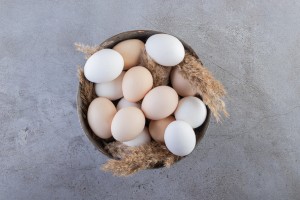
Eggs (chicken, quail, duck). They are low in fat and cholesterol but high in protein; they’re also easily digestible and make an excellent breakfast option.
Ideas for Delicious Protein-Packed Snacks
A great option for simple and quick snacks that contain protein and energy boosters are sports bars. They contain a balanced amount of protein, vitamins, and minerals for quick energy recovery and increased physical strength.
Another popular protein snack option is a smoothie. It’s easy to make in a shaker: just use a milk base or juice, add a few spoonfuls of protein powder, and blend. The result is a delicious and nutritious shake that will quickly energize you and help prevent overeating.
You can use special mixes for shakes:
- Protein for Shakes 1500 g Banana
- Protein for Smoothies 1500 g Vanilla
- Protein for Smoothies 1500 g Cherry
- Protein for Smoothies 1500 g Strawberry
- Protein for Smoothies 1500 g Chocolate
And the third, more time-consuming but no less delicious snack option is protein pancakes. It’s trendy right now to bake with oat or almond flour, but we recommend our special protein blend. This recipe will enrich your diet with protein and also make for a delicious treat. You can serve the pancakes with cottage cheese, honey, or berries.
Scientific sources:
Healthy Eating: Protein, Protein Sources, and Dietary Recommendations — WHO
Assessment of dietary protein and amino acid requirements: a systematic review — NCBI Bookshelf
Proteins and Amino Acids: Recommended Intake Levels — NCBI Bookshelf
Recommended Intake Levels for Protein and Other Nutrients — NCBI Bookshelf