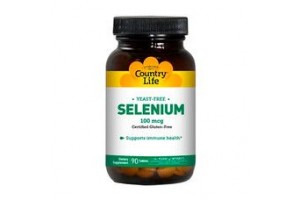
What is selenium?

Selenium is an important trace element that plays an active role in numerous metabolic processes and serves as the first line of defense against the damaging effects of free radicals.
Discovered in 1817 by the renowned Swedish chemist Jöns Jakob Berzelius in waste products from sulfuric acid production, this trace element was long considered toxic and did not attract scientific interest. More active research began in the 1950s, and it was then that scientists studied and recognized the importance of selenium for the human body.
Selenium is a component of enzymes and proteins (selenoproteins), is responsible for metabolic and redox processes, regulates the immune system, and protects cells from damage caused by free radicals. It enhances fertility in women and improves sperm motility in men. It protects against poisoning from lead, cadmium, mercury, and other heavy metals, and supports healthy hair and nails.
Selenium is not synthesized by the human body. It is obtained from food and stored in tissues and organs. Its levels are regulated by the liver, which distributes it via blood plasma to the body’s tissues where this mineral is needed. The highest concentration of selenium is found in the thyroid gland, where it is constantly used for hormone synthesis. The largest amount of this compound is stored in skeletal muscles—ranging from 28 to 46 percent—as well as in the liver, kidneys, heart, and organs of the genitourinary system.
Selenium exists in two forms:
- inorganic: selenate and selenite;
- organic: selenomethionine and selenocysteine.
Both forms may be present in food, but according to some studies, the organic forms are absorbed much more efficiently. Inorganic forms are often found in soil, from which they are taken up by plants and converted into organic forms.
Why does the body need selenium?
The body requires only small amounts of selenium, but it is essential for supporting the following processes and functions:
Cardiovascular system. Protects the endothelial cells lining the inner wall of blood vessels from damage and prevents the development of atherosclerosis.
Musculoskeletal system. Supports normal muscle contraction, increases endurance, and reduces fatigue after physical activity.
Thyroid support and hormone synthesis. The selenium-containing enzyme deiodinase plays a significant role in the metabolism of thyroid hormones. The enzyme converts inactive thyroxine into triiodothyronine—the biologically active form of thyroid hormones produced by the thyroid gland—which regulates tissue oxygen consumption, stimulates protein synthesis, accelerates the breakdown of fats and liver-derived glycogen, and enhances the effects of growth hormone and insulin.
Cell growth stimulation and DNA synthesis. This function is carried out by the enzyme thioredoxin reductase, which also possesses pronounced antioxidant properties and protects DNA from damage. It is also important for hair, nails, and healthy skin.
Reproductive system. The selenium-containing enzyme glutathione peroxidase is found not only in the thyroid gland, liver, red blood cells, kidneys, lungs, and gastrointestinal tract but also in the testicles. Selenium is important for men, as it influences spermatogenesis, and for women during pregnancy and breastfeeding. This trace element is a key factor in the treatment of infertility, supporting the conception process in both women and men.
The immune system and immune response. Selenium plays a role in the activation of T-helper cells, cytotoxic T cells, and NK cells, and stimulates antibody production.
Antioxidant and anti-inflammatory protection. Selenium is essential for activating enzymes responsible for protecting cells from free radicals. If there are too many free radicals and the defense system cannot cope, inflammation develops. Selenium is also important for reducing the risk of developing a number of viral diseases.
Slowing the aging process. The selenium-containing enzymes glutathione peroxidase and selenoprotein P, which have strong antioxidant properties, protect cells from damage by free radicals and prolong their lifespan.
Cancer prevention. During metabolism, selenium forms the metabolite methylselenone, which protects against the development of cancer cells; in particular, it may prevent cancer of the prostate, esophagus, pancreas, colon, liver, and lungs.
How to Take Selenium Correctly
Selenium dietary supplements are available in capsule or tablet form. It is best to take them with food, washing them down with plain, non-carbonated water.
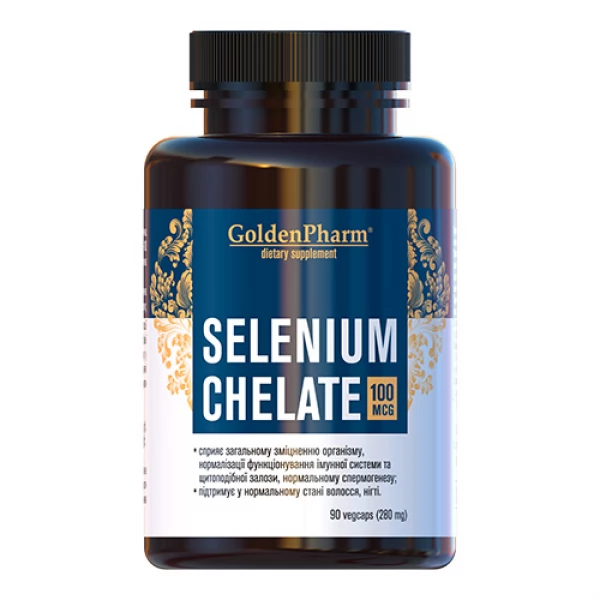
The best form of selenium—one that is easily absorbed by the body and does not require additional resources for digestion and processing—is selenium chelate. In its chelated form, the mineral is ready for use by the epithelial cells of the small intestine, where absorption takes place. Unlike conventional forms, chelated minerals do not cause side effects such as digestive upset or bloating, as they do not affect stomach acidity.
The dietary supplement Selenium Chelate in capsules from Vansiton protects the body’s cells from free radicals, supports proper thyroid function, supports male reproductive function, boosts the body’s resistance to viruses, and promotes the production of antibodies that control the development of various types of tumors. The supplement contains no artificial colors, flavors, preservatives, GMOs, or gluten.
Directions:
Take 1 capsule 1–2 times a day with meals. Do not exceed the recommended daily dose.
Daily selenium intake
How much selenium do you need per day?
The daily selenium intake depends on age, gender, and individual characteristics. For normal development and bodily function, the WHO has established the following daily selenium intake levels:
- toddlers aged 1–3 years – 20 mcg;
- children aged 4–9 years – 30 mcg;
- adolescents aged 10–13 – 40 mcg;
- adolescents aged 14–17 – 50 mcg;
- adult women – 50 mcg;
- adult men – 55 mcg;
- men and women aged 60 and older – 70 mcg
- women during pregnancy and breastfeeding – 70 mcg.
The general recommended daily dose for an adult is 55 mcg, although, according to some experts, this dosage is more of a minimum than an optimal amount. However, this is one of those cases where exceeding the selenium dosage will have worse consequences than a deficiency.
When to take selenium—in the morning or in the evening
Most experts recommend taking selenium supplements to support metabolism in the morning or during the first half of the day, either with a meal or immediately after one.
How much selenium should you take?
The course duration is 30 days or as recommended by a doctor.
What should not be taken with selenium
Selenium is neutral with respect to virtually all vitamins and many minerals.
Selenium should not be combined with vitamin B3 (niacin) or with supplements containing high doses of iron and copper—these can interfere with selenium absorption.
What should you not drink selenium with?
First and foremost—with alcohol. Consuming large amounts of alcohol leads to selenium deficiency.
With medications:
- hormonal medications;
- corticosteroids;
- statins;
- acetaminophen-containing medications.
Do not take selenium without a doctor’s recommendation if you are taking birth control pills or undergoing chemotherapy.
Selenium for Athletes: Benefits and Considerations

Benefits of selenium for athletes:
- reducing the negative effects of excessive physical exertion;
- antioxidant protection to improve tissue resistance to damage;
- improving metabolism;
- support for the thyroid gland, which synthesizes thyroid hormones (T3 and T4) that regulate energy balance and fat burning;
- strengthening of the immune system;
- maintenance of hormonal balance and testosterone production, which is important for building muscle mass;
- normalizing blood circulation and maintaining cardiovascular health;
- positively affecting brain and nervous system function;
- reducing the negative impact of adverse environmental factors on an athlete’s body.
Supporting physical activity
Consuming selenium during active sports and intense physical activity helps support the functioning of the musculoskeletal system, ensures normal muscle contraction, increases endurance, and reduces fatigue after exercise. Selenium is also important for regulating energy balance and fat burning, processes controlled by the thyroid hormones T3 and T4.
Fights free radicals during workouts
Selenium is a component of glutathione peroxidase—an enzyme that protects cells from oxidative stress. This is important for athletes, since intense exercise increases the number of free radicals, which can damage muscles and slow recovery.
Selenium is also important for supporting the immune system, which weakens during physical exertion. Selenium strengthens the immune system, helping the body recover faster and avoid infections.
Selenium intake recommendations for athletes
The best time to take selenium is in the morning or during the first half of the day. It is better absorbed when taken with foods containing a small amount of fat (nuts, eggs, avocados). It is not recommended to take selenium in the evening.
The most bioavailable forms of selenium:
- Selenomethionine—is better absorbed because it is bound to the amino acid methionine.
- Sodium selenate is well absorbed but can accumulate if taken in excess.
- Selenium in yeast—contains organic forms that are easily absorbed by the body.
What supplements can selenium be combined with?
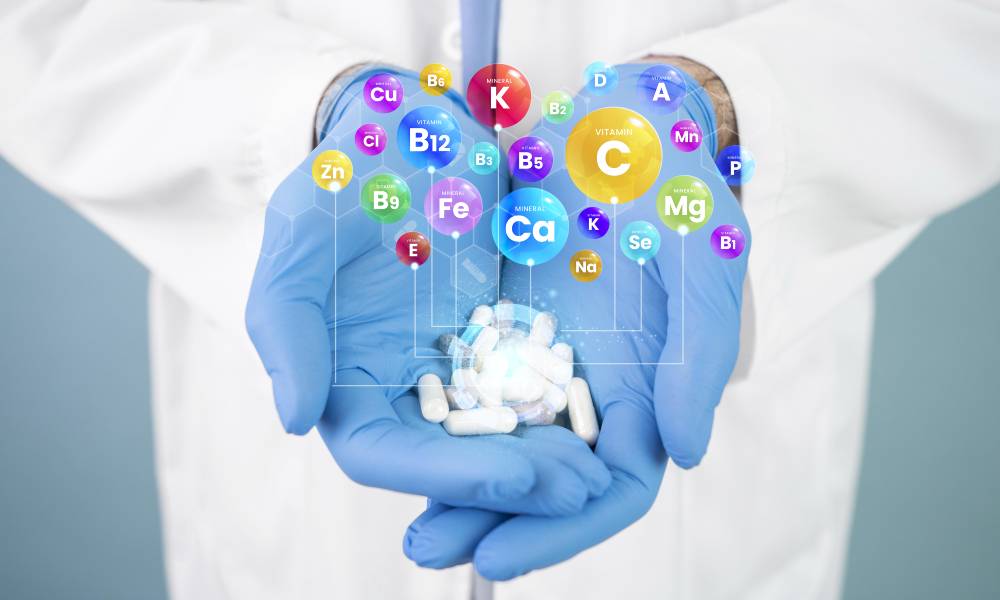
The body needs selenium in small amounts. To maximize its benefits, one should consider its compatibility with other minerals, elements, and vitamins.
Selenium’s Compatibility with Vitamins
Selenium is better absorbed by the human body when combined with the fat-soluble vitamins A, E, C, and D.
Vitamin E. One of the most important antioxidants, particularly valuable in cell membranes, where it “scavenges” free radicals, preventing the oxidation of unsaturated fatty acids. The combination of selenium and vitamin E has a synergistic effect—their antioxidant properties are enhanced, protecting the body’s cells from the harmful effects of free radicals. The combined action of selenium and vitamin E regulates blood iron levels and reduces excess iron.
Vitamin E in this complex helps improve skin condition in cases of skin conditions such as acne, psoriasis, pimples, and other dermatological problems. Vitamin E supplements should be taken at the same time as selenium.
Vitamin C. An excellent companion to vitamin E for antioxidant protection. It has a positive effect on the absorption and utilization of selenium, as well as calcium, chromium, and folic acid.
Vitamin D. Promotes better absorption of selenium, magnesium, phosphorus, and calcium. However, it is only absorbed properly when vitamin E levels are normal.
Selenium is directly linked to iodine — a selenium deficiency is often accompanied by an iodine deficiency, which is important for thyroid function. Therefore, selenium and iodine are often prescribed in combination supplements.
Selenium pairs well with magnesium, as these elements complement each other in certain functions and are found together in specific foods. Selenium also complements the beneficial properties of sulfur and, together with it, is a component of many amino acids.
Selenium pairs well with zinc, since they interact in metabolic processes and both are components of the antioxidant enzyme glutathione peroxidase, which helps fight free radicals. Vitamins combined with zinc and selenium stimulate the synthesis of thyroid hormones, support hormonal balance and the immune system, boost the body’s resistance to infections, and protect cells from oxidative stress. The combined action of selenium and zinc is beneficial for boosting immune system function, preventing cardiovascular disease, and improving vision, skin, hair, and nail health.
Contraindications and Side Effects
Selenium requirements and the necessary dosage should be determined solely by a doctor based on test results and medical examinations. This is especially important if you have chronic conditions or are taking any medications on a regular basis.
The main contraindications for taking this supplement are:
- individual intolerance;
- pregnancy;
- breastfeeding;
- recent surgery;
- autoimmune diseases.
The maximum safe daily intake of selenium should not exceed 400 mcg. In case of an overdose, symptoms of poisoning may appear:
- peripheral neuropathy—pain, numbness, and tingling in the hands and feet;
- muscle pain and impaired joint mobility;
- anemia;
- nausea;
- hair loss;
- intestinal disorders, diarrhea;
- unpleasant garlic-like breath odor;
- brittle nails and discoloration;
- irritability;
- rapid fatigue.
A significant overdose causes acute toxic reactions, leading to heart attacks, impaired liver and kidney function, nervous system disorders, and, in some cases, death.
Symptoms of selenium deficiency and excess

Signs of selenium deficiency
Selenium deficiency does not develop immediately and very rarely causes disease in adults. The symptoms of selenium deficiency are primarily muscle pain, difficulty concentrating, and fatigue.
Selenium deficiency may occur in people from high-risk groups:
- people living in regions where the soil is low in selenium;
- patients on kidney dialysis;
- people with HIV;
- people with digestive disorders (Crohn’s disease).
Selenium deficiency may be associated with reduced absorption by the body—this causes additional stress and weakens the body.
Symptoms of deficiency:
- fatigue;
- muscle pain;
- hair loss;
- depressed mood;
- immune system problems;
- decreased fertility in men and women.
As a result, the following conditions may develop:
- thyroid disorders (hypothyroidism or hyperthyroidism, Hashimoto’s disease, Graves’ disease) ;
- infertility;
- cardiovascular diseases;
- decline in cognitive function;
- Kashin-Beck disease (bone and joint disorder);
- Keshan disease (cardiovascular disease) .
Signs of excessive selenium intake (selenosis)
Excessive selenium intake causes selenosis—a toxic reaction characterized by the following symptoms:
- an unpleasant garlic odor and a metallic taste in the mouth;
- gastrointestinal disturbances—nausea, vomiting, diarrhea;
- hair loss;
- brittle nails and discoloration;
- skin rash;
- disorders of the nervous system and psychological and emotional state—irritability, rapid fatigue;
- stains on the teeth.
This toxic reaction can trigger the following acute conditions:
- cardiovascular diseases: myocardial infarction, heart failure;
- renal failure;
- difficulty breathing, facial flushing;
- disruption of nervous system function;
- muscle pain;
- tremors, dizziness.
Which foods contain selenium?

Selenium is found in many foods of both animal and plant origin. You can get enough of this element from your diet by eating a variety of foods.
The amount of selenium in plant-based foods depends on the soil in which the plants were grown and their ability to absorb and accumulate this element. As for meat products, the selenium content depends on the naturalness of the feed given to the animals.
How can you address a selenium deficiency in the body?
Pay close attention to the balance and variety of your diet. If you don’t like certain types of foods or they aren’t suitable for you for specific reasons, you can always find a tasty and nutritious alternative—there are plenty of options.
Fish and seafood are rich in selenium: halibut, sardines, tuna, salmon, oysters, squid, shrimp, and crab—everything the sea has to offer will be a healthy addition to your table.
You can get selenium from meat and meat products: pork, beef, chicken, turkey, and duck, as well as organ meats, which practically cover your daily mineral requirement.
Pumpkin and sunflower seeds, chia seeds, and various nuts—walnuts, macadamia nuts, cashews.
Cereals—wheat and wheat bran, rye, oats, and barley—also contain selenium and are rich in fiber, which is beneficial for digestion.
Dairy products rich in selenium—such as milk, yogurt, and sour milk cottage cheese—are also beneficial, although their selenium content is slightly lower.
Where is selenium found in the highest amounts?
Brazil nuts (Bertolletia) contain the most selenium—approximately 1,917 mcg of the mineral per 100 grams. A single nut weighing about 5 grams contains 68–95 μg of selenium, so just one is enough to meet the body’s daily requirement.
Selenium in Foods
| Food | Selenium content per 100 grams, mcg | Daily value, % |
| Brazil nut | 1,917 mcg | 3,485% |
| Wheat and wheat bran | 77.6 mcg | 130% |
| Sunflower seeds | 70–78 mcg | 127–141% |
| Mussels | 44.8 mcg | 81% |
| Tuna | 80 mcg | 145% |
| Sardines | 50 mcg | 91% |
| Herring | 36–47 mcg | 65–85% |
| Shrimp, crab | 40–65 mcg | 72–118% |
| Eggs | 30.7–32 mcg | 56–58% |
| Turkey | 32.1–40.9 mcg | 58–74% |
| Beef | 27 mcg | 49% |
| Chicken | 22–25 mcg | 43–45% |
| Dried garlic | 23–30 mcg | 41–43% |
| Couscous | 28 mcg | 50% |
| Long-grain brown rice | 19 mcg | 34% |
| Chia seeds | 53 mcg | 96% |
| Cashews | 20 mcg | 36% |
| Buckwheat groats | 27 mcg | 49% |
| Oat groats | 25 mcg | 45.4% |
| Spaghetti | 25.9 mcg | 47% |
Conclusions:
Selenium is an important trace element that ensures the normal functioning of systems and organs, is a component of enzymes and proteins, and possesses strong antioxidant and anti-inflammatory properties. Normal selenium levels in the body help prevent cardiovascular diseases. Selenium is very important for the thyroid gland and hormone synthesis, nervous system health, and immune function.
A selenium deficiency, like an excess, causes nervous system dysfunction, muscle pain, rapid fatigue, impaired cognitive function, and a weakened immune system.
You can replenish selenium levels through food or dietary supplements. Only a doctor can determine how to take selenium, at what dosage, and for what purpose—based solely on the results of a medical examination.
Our bodies need selenium in small amounts, but a deficiency, just like an excess, can lead to serious disruptions in the body’s functioning.
Scientific sources:
Selenium — Information for Healthcare Professionals, NIH Office of Dietary Supplements
Selenium: Its Metabolism and Relationship to Physical Activity
Selenium — Reference Intakes for Vitamin C, Vitamin E, selenium, and carotenoids
Toxicological profile of selenium: health effects
Selenium in the Environment and Human Health: An Updated Review
Biological Activity of Selenium and Its Effects on Human Health