
What Is Folic Acid (Vitamin B9)?
Folic acid (vitamin B9) is an important water-soluble B vitamin.
Folic acid plays a key role in processes related to genetic information, particularly in the synthesis of nucleic acids. Vitamin B9 influences hemoglobin synthesis and the development of erythrocytes (red blood cells), which is important for ensuring normal oxygen circulation throughout the body.
This vitamin is also important for the proper functioning of the nervous system due to its influence on the metabolism of amino acids and neurotransmitters.
Folic acid is very important for the body during pregnancy; it influences cell division and tissue growth, is essential for fetal health during pregnancy, and can help prevent the development of certain birth defects, particularly anencephaly and spina bifida.

Benefits of Folic Acid for the Body
- Supporting genetic processes. It plays an important role in the synthesis and repair of DNA and RNA, which are the main components of genetic information.
- Ensuring normal blood circulation. Promotes the development of red blood cells and the synthesis of hemoglobin, which is necessary for the efficient transport of oxygen to all tissues of the body.
- Supporting the nervous system. It participates in the metabolism of amino acids and neurotransmitters, which is important for the normal function of the nervous system. It helps support mental health and influences mood.
- Supporting maternal health and fetal development. Helps prevent the development of congenital fetal defects, particularly spina bifida and anencephaly.
- Protection against cardiovascular diseases. It reduces the risk of heart disease, particularly atherosclerosis, by lowering homocysteine levels in the blood.
The Importance of Folic Acid During Pregnancy
Folic acid is one of the most important nutrients for ensuring normal fetal development. It helps prevent birth defects, such as spina bifida and anencephaly, which occur early in pregnancy when the fetal nervous and gastrointestinal systems are developing. Vitamin B9 also influences the development of the fetal nervous system, including the brain and spinal cord, and promotes proper fetal growth and development, including the formation of tissues and organs.
Vitamin B9 reduces the risk of preterm birth by strengthening the structures that support the fetus in the uterus. Pregnancy can lead to an increased need for oxygen and blood production. Folic acid aids in the synthesis of red blood cells and prevents the development of anemia in pregnant women.
To ensure optimal fetal development and maintain the health of the pregnant woman, it is recommended to take supplemental folic acid during pregnancy. Doctors typically recommend starting folic acid supplementation before pregnancy or in the early stages of pregnancy, since many important developmental processes occur at the very beginning of pregnancy, when many women may not even know they are pregnant.

The Effects of Folic Acid on the Nervous System
Folic acid is essential for the synthesis of certain neurotransmitters, such as serotonin, dopamine, and norepinephrine. These substances play a significant role in regulating mood, emotional state, and nervous system function. A folic acid deficiency can lead to disruptions in the synthesis of these neurotransmitters, which may affect mental health and result in symptoms such as depression and anxiety.
Folic acid influences the process of myelination, helping to ensure normal nervous system function. Myelin is an insulating sheath that surrounds neurons and facilitates the transmission of nerve impulses.
Folic acid influences homocysteine metabolism, helping to lower its levels in the blood and reduce the risk of such complications. Excess homocysteine in the blood is associated with an increased risk of neurological complications, such as stroke and dementia.
Vitamin B6 is also a very important nutrient for the development of the fetal nervous system.
The Role of Folic Acid in Blood Formation
Folic acid is essential for efficient DNA synthesis, which is important for cell division—including bone marrow cells that produce red blood cells. This process allows the body to produce enough red blood cells to circulate oxygen throughout the body.
Folic acid influences hemoglobin synthesis, which is important for oxygen circulation in the body. Hemoglobin is an iron-containing protein that transports oxygen through the bloodstream.
A folic acid deficiency can lead to anemia, a condition in which the number of red blood cells becomes insufficient for normal oxygen circulation in the body.

The Effects of Folic Acid on the Cardiovascular System
Folic acid influences the metabolism of the amino acid homocysteine in the body. Elevated homocysteine levels are associated with an increased risk of cardiovascular diseases, such as atherosclerosis (blockage of arteries by fatty deposits), coronary heart disease, and other cardiovascular complications. Folic acid helps lower homocysteine levels, which can improve heart health.
Folic acid is an antioxidant and prevents damage to blood vessels and heart tissue caused by oxidative stress. Oxidative stress contributes to cardiovascular disease. Folic acid may also help dilate blood vessels, which improves blood circulation and lowers blood pressure. It strengthens vein walls and prevents the development of varicose veins and other vein problems.
The Role of Folic Acid in DNA and RNA Synthesis
Folic acid plays an important role in the synthesis of DNA (deoxyribonucleic acid) and RNA (ribonucleic acid) in the body’s cells. This vitamin is essential for the proper functioning and development of cells, as well as for the preservation of genetic information.
Folic acid is necessary for the synthesis of purine and pyrimidine nucleotides, which are the main components of DNA and RNA. This includes nucleotides such as adenine, guanine, cytosine, thymine, and uracil.
Folic acid also serves as a donor of methyl groups, which are necessary for the methylation of nucleotides and other molecules. Methylation influences the regulation of genetic information and gene function.
Folic acid is involved in the conversion of nucleotides into thymine nucleotides, which are an important component of DNA.
DNA and RNA synthesis are important processes for cell growth, development, and regeneration in the body. Folic acid provides the necessary molecules and groups for these processes and thus helps ensure the proper structure of genetic information and cell function.
Which foods contain folic acid?
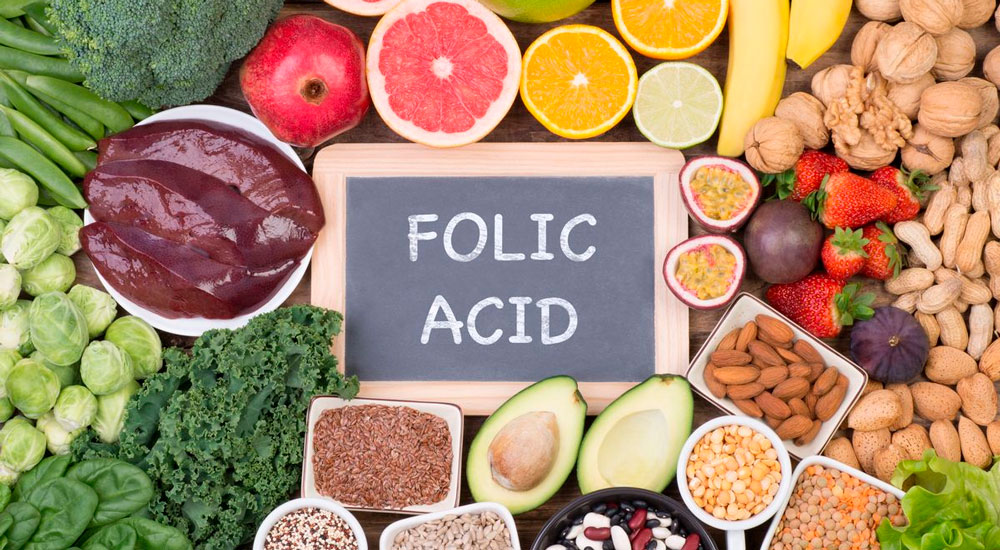
Legumes (peas, beans, chickpeas, lentils)
Cooked legumes are an excellent source of folic acid. 100 grams of cooked legumes contain up to 200 mcg of folic acid. Legumes are also high in protein and very low in fat, which is especially important for those limiting their meat consumption.
Liver
Various types of liver are also sources of folic acid. 100 grams of beef liver contains 240 mcg of folic acid, pork liver contains 225 mcg, and chicken liver contains 240 mcg. Even cod liver contains vitamin B9—110 mcg.
Spinach
Spinach, in addition to its other health benefits, contains 80 μg of folic acid per 100 g. It is also rich in various vitamins, minerals, and fiber, making it a valuable source of nutrients.
Asparagus
100 g of green asparagus contains 260 mcg of this vitamin. This low-calorie food is also rich in various minerals and vitamins, including calcium, copper, iron, potassium, phosphorus, as well as vitamins A, B, C, and E.
Flaxseed oil
Flaxseed oil is another source of folic acid; 60 mL of this oil contains 110 mcg of vitamin B9. In addition, flaxseed oil is rich in other beneficial substances, such as omega-3 fatty acids, which are important for the body.
Wheat grains
Whole-wheat products also contain folic acid, making them a healthy addition to your diet. Wheat products supplement the diet with vitamin B9.
Broccoli
100 g of broccoli contains 85 mcg of folic acid. In addition, broccoli is a source of antioxidants and other vitamins, such as E, A, PP, K, U, and C.
Citrus fruits
Oranges and lemons also provide up to 15% of the daily recommended intake of vitamin B9, making them sources of folic acid.
Nuts and Seeds
Hazelnuts, pistachios, almonds, walnuts, cashews, and peanuts contain folic acid. For example, 100 grams of almonds contain 40 mcg of this vitamin, walnuts contain 77 mcg, and peanuts contain 240 mcg. When you eat seeds, your body also gets vitamins E, B6, and B9.
Avocado
A single avocado contains up to 90 mcg of vitamin B9. In addition, avocados are rich in vitamins C and B6, omega-3 fatty acids, and other beneficial nutrients.
Symptoms of Vitamin B9 Deficiency
- Weakness and fatigue. Fatigue and weakness that occur even when performing simple and routine tasks.
- Poor concentration and distractibility. Loss of focus, difficulty concentrating on tasks, distractibility, and difficulty performing routine activities may be symptoms of folic acid deficiency.
- Pale skin and mucous membranes. A folic acid deficiency can lead to anemia, which affects the number of red blood cells in the body. This can cause the skin and mucous membranes to appear pale.
- Mouth sores. Mouth sores, particularly in the oral cavity, are associated with a weakened immune system and increased inflammation in the body due to a folic acid deficiency.
- Deterioration of the condition of the skin, hair, and nails. A folic acid deficiency can affect the condition of the skin, leading to dryness and flaking. Hair may become brittle and lose its luster, and nails may become fragile and prone to breaking.
- Changes in taste preferences. A folic acid deficiency can lead to changes in taste preferences and trigger a desire to consume unusual or unconventional foods.
- Gastrointestinal disturbances. A folic acid deficiency can lead to various problems in the gastrointestinal tract, such as diarrhea or constipation.
It is important to remember that symptoms can manifest in different ways depending on the severity of the folic acid deficiency and individual physiological characteristics. If you experience these symptoms or suspect a folic acid deficiency, it is important to consult a doctor for diagnosis and treatment.

Recommendations for Use and Dosage
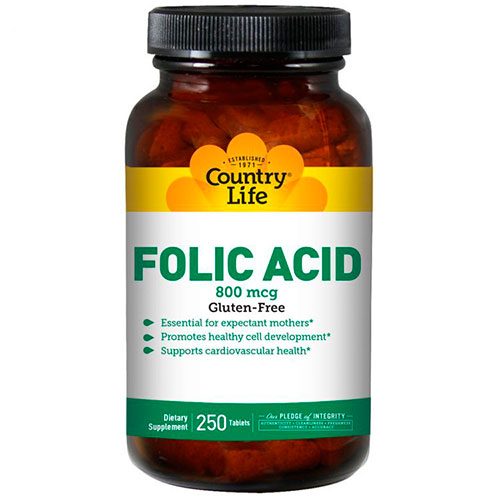
- The recommended daily intake of folic acid may vary depending on age and gender. Typically, for adults, this intake is about 400 mcg (micrograms) per day. For pregnant women, the recommended daily intake may be higher, often around 600 mcg or more.
- Individual folic acid needs may vary depending on health status. For example, treating anemia caused by low folic acid levels requires an additional dose.
- Women who are planning to become pregnant, are pregnant, or are breastfeeding are advised to consume more folic acid. This may require taking additional dietary supplements.
It is important not to exceed the recommended daily intake of folic acid without consulting your doctor, as high doses can be harmful to the body.
Possible Risks, Contraindications, and Side Effects
Folic acid (vitamin B9) is important for the body, and in most cases, it is safe to take. However, there are certain risks, contraindications, and possible side effects that should be taken into account:
- Allergic reactions. Some people may be allergic to folic acid. If you experience allergic reactions such as itching, a rash, or swelling, it is best to stop taking folic acid.
- Stomach and intestinal health issues. In cases of stomach or intestinal infections, problems with folic acid absorption may occur. In these cases, your doctor may consider prescribing a supplement.
Possible side effects:
- Itching or a rash may occur. Some people may experience itching, a rash, or other skin irritation when taking high doses of folic acid.
- Toxicity from high doses. Prolonged use of high doses of folic acid may lead to toxicity, which can cause unpleasant symptoms such as dizziness, abdominal pain, and others.
- Oily, bitter taste in the mouth. In some cases, taking folic acid may cause an oily, bitter taste in the mouth.
Risks and side effects typically occur with high doses of folic acid that exceed the recommended daily allowance.
Interactions with Other Supplements and Medications

Folic acid is an important component for overall health, but interactions with other medications and supplements can affect its absorption and effectiveness. For patients taking various medications, it is important to be cautious and follow their doctor’s recommendations regarding the use of folic acid and other medications. Below are some examples of interactions between folic acid and other medications and supplements.
Anticonvulsants
Some anticonvulsants, such as phenytoin (Dilantin), carbamazepine (Tegretol), and gabapentin (Neurontin), can affect the absorption and metabolism of folic acid in the body. In particular, phenytoin can lower folic acid levels. However, it is important to note that taking folic acid may make phenytoin less effective. In such cases, a doctor should adjust the phenytoin dose if the patient is taking both medications.
Sulfasalazine and sulfamethoxazole/trimethoprim
Sulfasalazine (Azulfidine) and sulfamethoxazole/trimethoprim (Bactrim) are medications containing sulfonamides. These substances can affect folic acid and lead to a decrease in its levels in the body. In such cases, a doctor may recommend taking additional folic acid to compensate for the loss.
Methotrexate
Methotrexate is a medication used to treat various conditions, including autoimmune diseases and cancer. However, it is important to note that methotrexate can lead to a decrease in folic acid levels in the body. When methotrexate is used to treat autoimmune diseases, a doctor may recommend taking additional folic acid supplements to maintain folic acid levels in the body. However, when methotrexate is used as part of cancer treatment, it may be recommended to avoid taking folic acid, as this supplement is believed to affect the effectiveness of methotrexate in treating cancer.
Interactions between folic acid and other medications and supplements can be complex, and it is important for patients to consult with their doctor regarding the best approach to using folic acid in the context of other medications and health conditions. Following your doctor’s recommendations is essential for maintaining your health and maximizing the benefits of treatment.
Scientific Sources:
Folate — Information for Healthcare Professionals, NIH Office of Dietary Supplements
Recommendations: Daily Iron and Folic Acid Intake for Pregnant Women — WHO
Folic Acid: Sources and Recommended Intake — CDC
Folic Acid Safety, Interactions, and Health Effects — CDC
Folic Acid: Use During Pregnancy and for Treating Deficiency Anemia — NHS