Many of us skip breakfast in the morning due to a lack of time or a lack of appetite. However, doctors say that eating in the morning is very important because it provides the body with energy and reduces the urge to snack throughout the day. For schoolchildren, it has a positive effect on academic performance and reduces the risk of obesity. So what does the ideal breakfast look like? What can you make that’s tasty, healthy, and quick? That’s what this article is about.
What makes a healthy breakfast?

Nutritionists do not recommend eating breakfast immediately after waking up. It’s recommended to start by drinking a glass of warm water (40–45 °C) to kickstart your digestive system, and then eat half an hour later.
The classic approach to healthy eating calls for a filling but not overly heavy breakfast; otherwise, you’ll feel sleepy again. Your morning meal should account for 20% to 30% of your daily calorie intake to provide your body and brain with the fuel they need.
A balanced breakfast—nutritious and well-rounded in composition—is ideal. First and foremost, it includes proteins, carbohydrates, and fiber, which provide the body with beneficial micronutrients and energize you for the entire day.
A protein-rich breakfast
It helps you feel full longer and reduces food cravings. Additionally, protein promotes the production of dopamine—a neurotransmitter that stimulates alertness and motivation. Good protein-rich breakfast options include eggs (prepared any way), meat (lean cuts), fish, cottage cheese, hard cheese, and yogurt. Sources of plant-based protein include quinoa, nuts, seeds, tofu, soy milk, as well as protein supplements. In addition to essential amino acids, all of these foods are rich in a variety of micronutrients.
A Carbohydrate-Rich Breakfast
Carbohydrates provide energy and help stabilize blood sugar levels. Porridges (buckwheat, oatmeal, barley), whole-grain pasta, and whole-grain bread (preferably toasted in a toaster or in a pan without oil) are healthy foods that contain a variety of vitamins, minerals, and fiber. These foods help regulate appetite, prevent overeating throughout the day, and normalize bowel function and metabolism.
Many people usually eat ready-made cereal or muesli in the morning, topped with milk or yogurt. It’s quick and tasty. Indeed, ready-made breakfasts are very popular; they’re considered sources of slow-release carbohydrates and fiber and may include healthy nuts, seeds, and dried fruit. However, they often contain a lot of sugar, as well as fats and preservatives. When buying processed foods, it’s important to carefully check their ingredients. You can enjoy a high-quality breakfast by making your own cereal and muesli (the recipes aren’t complicated and can be found online).
In addition, morning is the time when you can even eat fast carbs. After waking up, the body produces just enough insulin to fully convert glucose into energy, so it won’t harm the body or be stored as fat. Fast carbs include sweet pancakes, crepes, chocolate, as well as fruits and desserts. To stay full for a long time, you need to combine fast and slow carbs.
Healthy Fats
Healthy fats are an excellent complement to proteins and carbohydrates. High-quality fatty acids, particularly omega-3 and omega-9, are essential for the proper functioning of our bodies. They help prevent cardiovascular disease and diabetes, and also play a role in the development of the brain, muscles, and bones. Healthy fats are found in nuts and seeds. These include walnuts, hazelnuts, almonds, sunflower seeds, chia seeds, and pumpkin seeds. A 30- to 50-gram serving of mixed nuts in the morning will provide your body with omega-3s, fiber, and magnesium.
Drinks
Although morning coffee is considered a traditional ritual, some nutritionists do not consider it beneficial to drink it for breakfast. In the morning, the body produces increased levels of the stress hormone cortisol, which helps us wake up. Caffeine has a direct effect on its production and can lead to dependence.
However, lovers of this aromatic beverage shouldn’t be discouraged. Gastroenterologists see no danger in a morning cup of coffee, but they recommend drinking it only black, with milk, without sugar, and always at the end of a meal. Other suitable beverages include tea (black, green, or with lemon), fruit compote, or simply warm water with lemon and honey. Doctors do not recommend including fruit juice (especially on an empty stomach) or carbonated water in your morning menu, as they irritate the stomach, which is sensitive first thing in the morning.
A healthy breakfast should not contain:
- processed sausage products
- fatty, fried, and spicy foods
- any fast food.
Options for Healthy Breakfasts
We invite you to try our recipes for simple and healthy breakfasts for the whole family, which we’ve selected to suit a variety of preferences and your lifestyle.
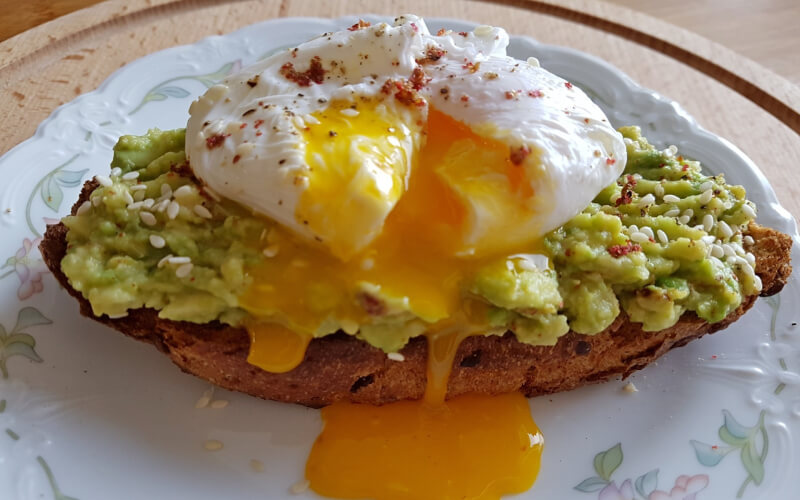
A light yet filling breakfast: “Poached Eggs and an Avocado Sandwich”
Recipe:
- Let’s make a poached egg. Grease a small square of plastic wrap with oil, place it over a cup, and carefully pour the egg into it, trying not to break the yolk. Gather the “tails” of the plastic wrap into a pouch, tie it tightly, and submerge it in a pot of boiling water for 4–5 minutes.
- Let’s make the avocado paste. Peel the avocado, cut it into small pieces, and mash it with a fork or in a blender. Add salt, pepper, olive oil, and lemon juice, then mix well.
- Spread the avocado spread on a slice of dried whole-grain bread and top with the poached egg.
Cooking time: 10 min.
Healthy Breakfast with Oatmeal, Fruit, Yogurt, and Flaxseeds
Recipe:
- Place 1 tablespoon of rolled oats and 1 teaspoon of flaxseeds in a deep bowl. Pour 3 tablespoons of boiling water over them and let them soak.
- Cut the apple into pieces and simmer in a saucepan with 2 tablespoons of water until tender (5–10 minutes, covered). Season with ground cinnamon, ginger, and raisins, if desired.
- Add yogurt to the rolled oats, stir, and top with the warm spiced apples.
Instead of apples, you can use any seasonal fruits or berries, either fresh or cooked. Cooking time: 15 minutes.
Healthy breakfasts for those watching their weight
If you’re on a diet, optimize your breakfast based on the calorie content of the foods.
Our tips:
- Low-fat cottage cheese with pieces of fruit and berries remains one of the best options for weight loss.
- An omelet made with eggs and a small amount of milk is also a healthy breakfast option.
- Lean boiled fish and meat, such as chicken breast, make for a light breakfast.
- Porridge cooked in water with healthy sugar substitutes.
- Fruit, vegetable, and green smoothies are low in calories but rich in vitamins, minerals, and fiber.
Options for quick and tasty breakfasts
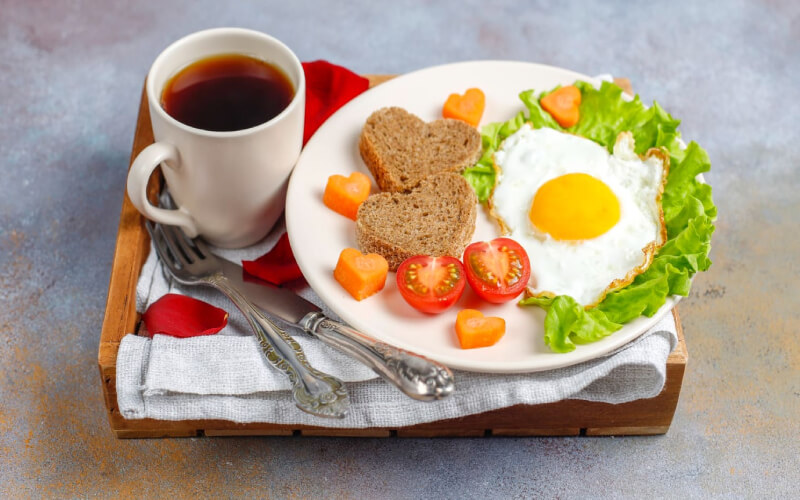
The best quick hot breakfast is a simple fried egg, but you can make something more interesting.
Microwave Omelet with Ham and Cheese
Beat 2 eggs with 1 tablespoon of milk. Add grated cheese, chopped herbs, finely chopped ham, salt, and pepper, and mix well. Place in the microwave on full power for 2 minutes.Omelet with a Crispy Cheese Crust
Grate 50–80 g of hard cheese on a fine grater and spread it over the bottom of a cold skillet. In a bowl, beat the eggs with 2 tablespoons of milk, salt, pepper, and your favorite seasonings. Once the cheese has melted and begins to bubble, pour in the egg mixture, cover with a lid, and cook for 2–3 minutes. The top of the omelet should be dry. Fold it in half before serving.
Oatmeal with Banana in the Microwave
Place the pieces of one banana in a mug, mash them with a fork, add an egg, pour in half a glass of rolled oats, stir, and microwave the mixture for 2 minutes.
Vegetable, fruit, or berry smoothies with cottage cheese
Place berries, fruit, or vegetables, along with cottage cheese and milk, into the bowl of a blender or mixer. Blend for about 2–3 minutes until you have a thick, smooth drink.
No-Cook Breakfast Ideas

Ready-to-Eat Breakfasts
High-quality cereal/crunchies/muesli (preferably homemade), topped with milk or yogurt, and mixed with nuts, dried fruit, and seeds.
Toast with Ricotta and Berries
Toast the bread in a toaster or in a dry skillet, spread ricotta cheese on top, arrange any berries on top, sprinkle with lemon zest, and drizzle with honey.
Sandwich with Cream Cheese and Salted Trout
Toast the bread in a toaster or in a dry skillet, place a lettuce leaf on top, add cream cheese or cream cheese spread (such as Philadelphia), and top with slices of smoked trout or red fish.
Protein Shakes
Protein powder is a concentrated dry mixture made from milk, eggs, or legumes. Thanks to the wide variety of types available, it can be tailored to your specific tastes and preferences. This sports nutrition product is widely used to enhance workout performance and accelerate weight loss. However, it can also be a great option for a light, quick, and nutritious breakfast.
Protein shakes require virtually no preparation, helping you save valuable morning time. By adding vegetables, fruits, berries, nuts, seeds, as well as milk, yogurt, and spices, you’ll get nutritious smoothies rich in vitamins, minerals, antioxidants, and fiber.


Benefits of the protein shake:
- high protein content
- contains various types of protein (egg, soy, whey, pea)
- easily digestible product
- provides a long-lasting feeling of fullness
- reduces appetite
- helps lower blood sugar levels
- preserves muscle mass during weight loss and aging
- can be taken on the go if you have absolutely no time for breakfast
You can also choose BCAA amino acids as a quick source of protein to minimize the risk of digestive discomfort.
Healthy breakfasts for kids

Many parents worry about what’s best to feed their children every morning. Here are a few options for the tastiest kids’ breakfasts.
Delicate Pumpkin and Cream Cheese Casserole
Unlike the traditional recipe, this casserole is based on a mixture of boiled pumpkin and cream cheese, blended together. Pieces of dried fruit and orange zest are added to the mixture; the orange zest helps neutralize the pumpkin’s aroma.
The casserole has a beautiful orange color and a delicate cheesecake-like texture. Serve with sour cream, fruit, or chocolate sauce.
This pumpkin and cottage cheese casserole is perfect for breakfast for both young children and school-age kids. It will not only satisfy a child’s taste buds but also appeal to them visually. Cottage cheese is an excellent source of protein, dried fruit provides carbohydrates, and pumpkin offers vitamins, minerals, and fiber. This combination provides long-lasting fullness and energy.
Lazy Dumplings
A simple recipe made with cottage cheese, eggs, and flour—an example of an easy, nutritious breakfast for a child. It takes about 10 minutes to prepare. Serve these lazy vareniki with sour cream, honey, or jam.
Pizza Sandwich
Teenagers will especially love this unusual sandwich. Dice any boiled or baked meat and tomatoes into small cubes. Chop the herbs (green onions, parsley, dill). In winter, you can use dried herbs. Mix all the ingredients with homemade mayonnaise. Grate the cheese on a coarse grater. Slice the white bread, spread the mixture on the slices, and sprinkle with cheese. Place the sandwiches on a baking sheet and bake in the oven at 180 °C for about 15 minutes.