During workouts, as well as during any physical activity, the body expends a great deal of energy. During such strenuous periods, the body may begin to use the energy source available to it—muscle tissue—as fuel. Therefore, the golden rule for all athletes is to consume enough protein through your diet to prevent muscle breakdown. Protein is what will preserve and build your muscle mass.
You need protein regardless of the goals you set for yourself—whether it’s building muscle mass or losing weight. As the building block for muscles during physical activity, protein supplies the body with the amino acids that are essential for muscle recovery and growth.
To figure out which protein to choose, you first need to know the different types available, and second, you need to consider your goals, training routine, and lifestyle when making your selection.
Types of Protein. Which One Is Right for You?
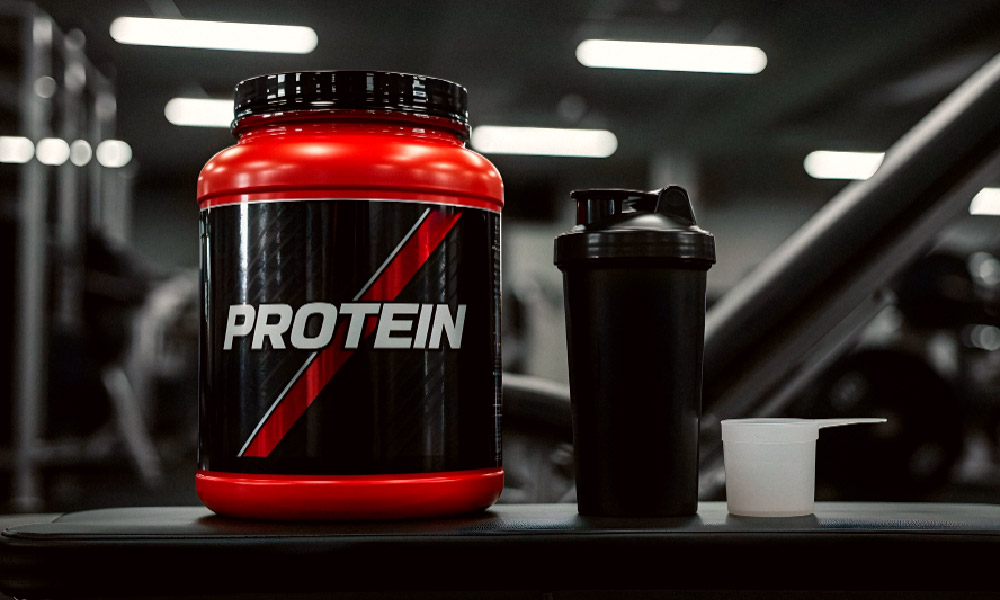
Protein comes in the following forms:
- whey (from milk whey);
- casein (caseinate);
- soy;
- egg;
- bovine (blood serum protein);
- multicomponent.
Now let’s talk a little about each of these types to determine which one is best to choose in each situation.
Whey protein
Whey protein is considered the highest-quality protein; it is absorbed quickly and completely, has an optimal amino acid profile, and is rapidly broken down in the body. It is produced from milk whey. Depending on the degree of purification and processing, this protein can be a concentrate, an isolate, or a hydrolysate.
Whey protein concentrate contains 35% to 80% protein.
Whey protein isolate contains about 90% protein and is virtually free of fat and lactose.
Whey protein hydrolysate has the fastest absorption rate, as the protein has already been broken down into peptides (amino acid chains). Hydrolysate contains 80–90% protein. It is easily absorbed, but its cost is significantly higher. As a rule, another significant drawback of hydrolysate, aside from its price, is its unpleasant taste: high-quality hydrolysate will have a bitter taste.
You might ask: which whey protein should you choose?

Whey protein concentrates, unlike isolates, contain a large amount of components essential for our body, namely a greater amount of growth factors such as IGF-1, TGF-β1, and TGF-β2. They contain higher levels of phospholipids and other biologically active lipids (such as CLA), as well as greater amounts of immunoglobulin and lactoferrin. These components not only influence muscle mass gain and athletic performance but, as studies show, also boost immunity, improve gut health, and offer many other beneficial properties that are important for both athletes and “ordinary” people.
However, if you have a dairy intolerance (which is usually associated with lactose intolerance), we would recommend choosing an isolate.
Hydrolysate is a good choice when the rate of amino acid absorption is critical, such as after a workout.
As a number of studies have shown, whey concentrate is classified as a so-called “fast-acting” protein. The amino acids it contains enter the bloodstream very quickly and stimulate protein synthesis. That is why it is also called an “anabolic” protein.
However, during long breaks between meals and at night, it is recommended to consume “slow-release” proteins. For example, casein.

Casein Protein
Caseinates belong to the category of “slow-release” proteins. Their components take longer to enter the bloodstream, but their high levels in the blood are maintained for a much longer period of time. Interestingly, consuming milk protein prevents protein breakdown but has no effect on protein synthesis. It is for this reason that milk protein has earned the status of “anti-catabolic.”
Soy Protein
Soy protein is plant-based: it is recommended for people with lactose intolerance and is chosen by a small number of vegan athletes. Soy is absorbed faster than casein, and its amino acids enter the bloodstream within just 2 hours; however, they are not fully absorbed, which is the catch. In addition, soy protein contains isoflavones, which increase estrogen levels in the body, making this protein unsuitable for men, while it is ideal for women, especially as they age and estrogen levels decline.
Egg Protein
Egg protein has a moderate rate of absorption but an ideal amino acid profile.
Beef Protein (Blood Serum Protein)
Blood serum albumin is a source of complete protein, fats, carbohydrates, and minerals, which are present in proportions similar to those found in human blood. This biologically complete protein contains all amino acids in a ratio that is optimal for the body. It stimulates blood formation and helps regulate metabolic processes in the body.
One of the primary and most valuable properties of blood albumin is its ability to increase hemoglobin levels in the blood. As is well known, hemoglobin, found in red blood cells, is capable of reversibly binding to oxygen, ensuring its transport to tissues. That is why blood albumin is not only an ideal source of essential nutrients (proteins, carbohydrates, fats) for the human body, but also an excellent means of transporting oxygen to working muscles.
An example of such a protein is VANSITON 40 UNCOATED.
Multi-component proteins
There are also complex protein blends (multicomponent proteins) that contain both “fast” and “slow” proteins. A complex protein can provide both a peak surge of amino acids in the blood shortly after consumption and a steady, sustained release of amino acids into the bloodstream over an extended period.
In addition, combining different types of protein allows for an optimal amino acid profile in the final product. Buying a multi-component protein is a good choice, since these blends may contain hydrolysate, casein, and other types of protein with varying absorption rates, as well as vitamins, minerals, BCAAs, glutamine, and creatine (for example, VANSITON COMBI or PROBOLIC-SR from MHP).
Additional Protein Characteristics
As you can see, choosing a protein isn’t difficult if you know its properties, characteristics, and types. The first thing you should do is define your goal (building muscle mass, “cutting” and sculpting, or weight loss) while taking into account your body’s specific characteristics and your current fitness level.
Once you’ve set your goal, you should choose a protein supplement that fits your daily diet, since calorie content is extremely important.
Manufacturers list the detailed composition of the product on the packaging, including its content of nutrients, vitamins, amino acids, and—just as importantly—carbohydrates. The more carbohydrates per serving, the higher the drink’s calorie content. Be sure to factor in the calorie content of protein shakes when planning your daily diet.
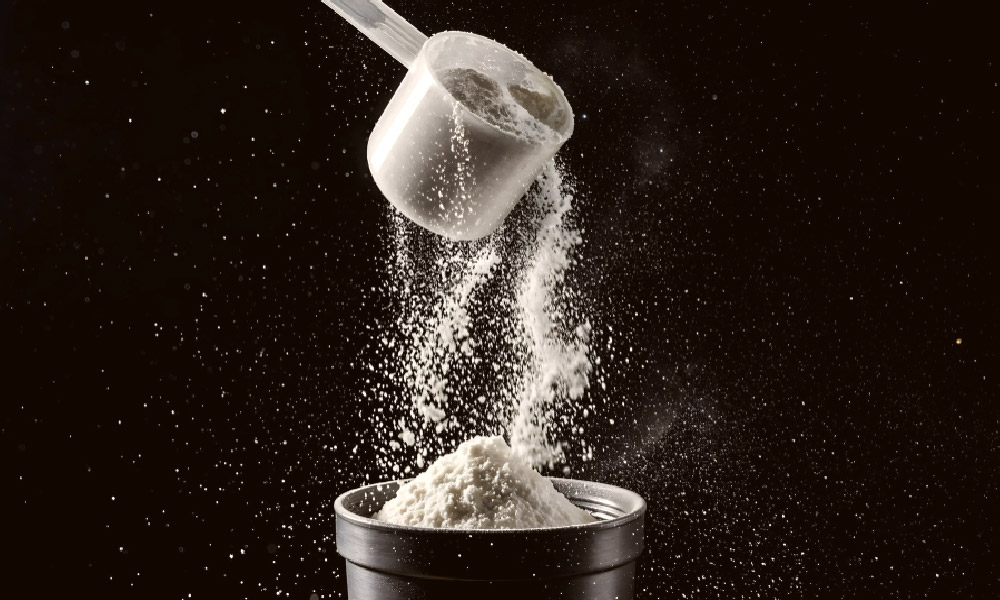
You can mix protein powder with water, milk, or juice—it all depends on your taste preferences and the allowed calorie intake for your diet.
If your goal is to gain mass, we recommend choosing a weight gainer (a carbohydrate-protein product containing 15% to 50% protein).
If, on the other hand, your goal is weight loss, cutting, or building muscle definition, then, unfortunately, it all comes down to the calorie content of your daily diet, which should remain low.
Therefore, to meet your daily protein requirement without overdoing it on carbs and fats (a task that’s virtually impossible when relying solely on regular food), a high-protein concentrate (hydrolysate) or whey protein isolate will come to your aid.
Thus, by understanding the characteristics of each type of protein, you can easily choose the right product for yourself. For our part, we recommend that you purchase high-quality products from reputable manufacturers at reliable, trusted stores—only this will guarantee effectiveness and safety!
Scientific sources:
Healthy Nutrition—Proteins, Protein Sources, and the Body’s Needs
Consumption of a protein blend after strength training stimulates muscle protein synthesis in humans