What Are Cashews and How Do They Grow?

Cashews, or Anacardium occidentale, grow on a tropical evergreen tree native to the Caribbean islands, South America, and Central America.
The Portuguese names “caju” or “acaju” derive from the Tupi language and literally mean “fruit consisting of fibers.” It is from the Portuguese names for the fruit, “caju,” and the tree itself, “cajueiro,” that the English name “cashew” (cashew) is derived, a term that was borrowed into the Ukrainian language.
The cashew fruit is a kidney-shaped nut attached to a pear-like stalk. The stalk has a sweet-and-sour, slightly tart flavor and is eaten fresh or used to make jellies, jams, and kaju wine.
Raw cashew nuts are dangerous to eat because they contain a substance known as urushiol, the same as that found in poison ivy. Urushiol is toxic, and contact with it can cause a skin reaction in some people. This is why processed cashews are more commonly found; they are prepared to remove this toxic liquid, and the resulting product is sold here as “raw.”
Although cashews are commonly referred to as nuts, they are actually seeds. They are rich in nutrients and beneficial minerals. Like most nuts, cashews can also improve your overall health when consumed regularly.
Nutritional Value and Calorie Content of Cashews
Cashews are known not only for their taste but also for their high nutritional value. Below is approximate information on the nutritional value and calorie content of cashews per 100 grams:
Calories: Approximately 553 kcal. Cashews are a high-calorie food that provides the body with a significant amount of energy when consumed.
Protein: About 18 g. Cashews contain a large amount of protein, making them an important component for building and repairing body tissues.
Fats: Approximately 44 g. The main fats in cashews are monounsaturated and polyunsaturated fats, known for their beneficial properties for the cardiovascular system.
Carbohydrates: Approximately 30 g. The carbohydrates in cashews consist of various forms of sugars, including sugar itself and dietary fiber.
Vitamins and Minerals: Cashews are a source of B vitamins, vitamin E, magnesium, phosphorus, zinc, and other beneficial micronutrients.
Antioxidants: Cashews contain antioxidants that help protect cells from oxidation and the effects of free radicals.
It is important to note that consuming cashews in moderate amounts can lead to improved overall health. However, due to their high calorie and fat content, it is recommended to consume them in moderation, especially for those following a balanced diet.
Health Benefits of Cashews
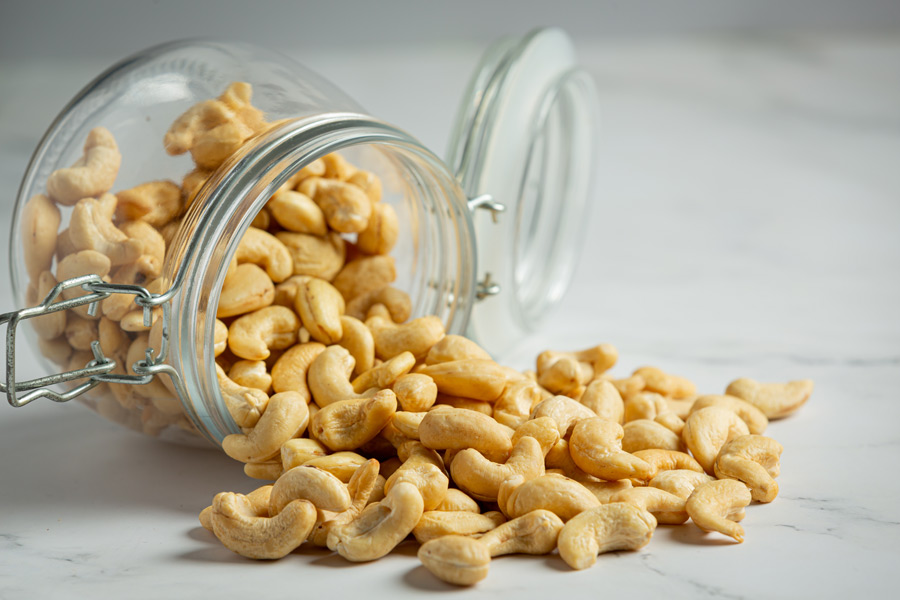
Cashews are an excellent source of protein, healthy fats, vitamins, and minerals. Their high content of monounsaturated and polyunsaturated fats makes them beneficial for heart health, while their lower saturated fat content helps reduce the risk of heart disease.
Cashews are not only a great ingredient in dishes but also a healthy food. Understanding their benefits can help you make informed and balanced choices when incorporating them into your diet, supporting your body and improving your quality of life. In particular, for women during pregnancy, cashews can be beneficial for maintaining health and supporting normal fetal development.
A Source of Antioxidants and Trace Minerals
Cashews are a source of powerful antioxidants, such as vitamin E and anthocyanins. Vitamin E is a powerful antioxidant that protects cells from damage caused by free radicals. It may help prevent cellular aging and reduce the risk of developing oxidative stress-related diseases.
Cashews are a rich source of trace minerals such as magnesium, zinc, iron, and copper. Magnesium is important for maintaining cardiovascular and nervous system function. Zinc plays a role in many physiological processes, including immunity and skin health. Iron is important for oxygen transport in the body, and copper works with iron to ensure the body functions normally.
The antioxidants in cashews help reduce inflammation in the body. Inflammation can be a contributing factor to various diseases, including cardiovascular disease, allergies, and other conditions.
Trace minerals such as zinc and copper are important for the proper functioning of the immune system. By promoting the production of antibodies and other immune components, cashews can help support the body in fighting off infections and diseases.
May Help You Lose Weight
Cashews contain a significant amount of protein, which can help you feel full for longer. Consuming enough protein throughout the day can help reduce appetite and regulate weight, as it influences the production of satiety hormones such as leptin.
Compared to other sweets, cashews are low in sugar. Consuming less sugar can be beneficial for those trying to lose weight, as it helps avoid sharp fluctuations in blood sugar levels and reduces excess calories.
Studies are beginning to establish a link between diets rich in nuts and greater weight loss and overall reduction in body weight compared to diets without nuts. Cashews have beneficial properties for gut health, as their dietary fiber content promotes healthy digestion and regulates bowel function.
Although cashews have high nutritional value, it’s important to be mindful of their high calorie content. Instead of adding large quantities of cashews to your diet, it’s better to include them as healthy snacks.
May Improve Heart Health
For both women and men, cashews are a beneficial source of monounsaturated fats, which promote heart health and may help maintain optimal cholesterol levels. They may help lower “bad” cholesterol (LDL) and raise “good” cholesterol (HDL), thereby helping to reduce the risk of heart disease.
Antioxidants, such as vitamin E and selenium, help fight free radicals. This is important because oxidation caused by free radicals can lead to inflammation of blood vessels, as well as the development of atherosclerosis and other heart problems.
The magnesium and potassium found in cashews help dilate blood vessels and regulate blood pressure. This may help reduce the risk of blood pressure spikes and ensure optimal blood circulation.
Regular consumption of cashews may help lower triglyceride levels, which are a type of fat found in the blood. Elevated triglyceride levels can be a risk factor for heart disease, so reducing them is important for heart health.

May be beneficial for people with type 2 diabetes
This is partly because cashews are a good source of fiber, a nutrient that helps prevent blood sugar spikes and is believed to protect against type 2 diabetes.
Cashews have a low glycemic index (GI), which means they affect blood sugar levels less than foods with a high GI. This helps prevent sharp fluctuations in blood sugar levels, which is important for managing glucose levels.
In one study, people with type 2 diabetes who consumed 10% of their daily calories from cashews had lower overall insulin levels—a marker of blood sugar control—than those who did not eat cashews at all.
Oleic acid may improve glucose uptake in cells, helping to reduce the risk of developing insulin resistance. Cashews are a source of magnesium and phosphorus, minerals that play an important role in glucose metabolism. Magnesium helps insulin utilize glucose more effectively, thereby helping to normalize blood sugar levels.
How to Include Cashews in Your Diet
Whole or ground cashews can also be added to a variety of dishes, ranging from tofu omelets and french fries to soups, salads, and stews.
Cashew butter is another way to incorporate cashews into your diet. Spread it on toast or add it to yogurt or oatmeal. You can also choose a mixed-nut butter and combine it with your favorite dried fruits and oats to make homemade no-bake energy bars.
If you want to give your sauces a savory flavor and a creamy texture, add a few pieces of cashews and blend them into the sauce base. This is one of the best and easiest ways to incorporate cashews into your diet.
Below are a few simple and delicious recipes that will let you enjoy cashews in different ways:
1. Cashews with Berries and Honey
Ingredients:
- 1/2 cup cashews
- Mixed fresh berries (strawberries, raspberries, blueberries)
- 1 tablespoon honey
- Grated lemon or orange zest
Directions:
- Mix the cashews with the fresh berries.
- Add the honey and zest.
- Stir well and enjoy this breakfast or snack. You can also add it to oatmeal or granola, or spread it on toast.
2. Chicken and Nut Salad
Ingredients:
- 1 piece of chicken breast (boiled and sliced)
- 1/2 cup cashews
- Mixed fresh vegetables (tomatoes, cucumbers, bell peppers)
- Herbs (cilantro, lettuce, mint)
- 2 tablespoons olive oil
- Salt and pepper to taste
Directions:
- Mix the chicken breast, cashews, and fresh chopped vegetables.
- Add a little chopped fresh herbs.
- Drizzle with olive oil and season with salt and pepper.
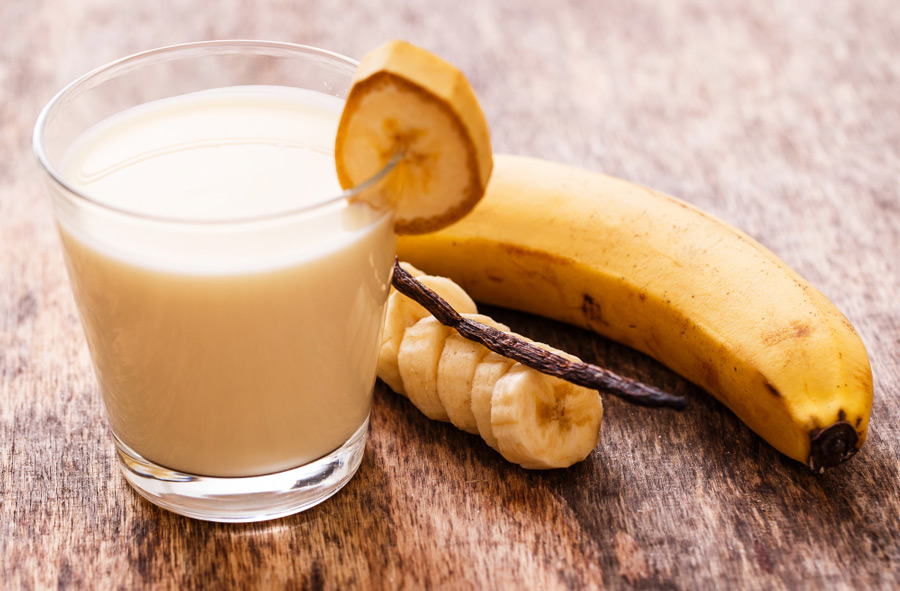
3. Banana and Cashew Shake
Ingredients:
- 1 banana
- 1/4 cup cashews
- 1/2 cup milk or yogurt (plant-based is fine)
- 1 tablespoon honey
Directions:
- Place the banana, cashews, milk or yogurt, and honey in a blender.
- Blend the ingredients until smooth.
4. Indian Curry
Ingredients:
- 1 cup cashews
- 1 piece chicken breast (diced)
- 1 onion (chopped)
- 2 tomatoes (chopped)
- 2 cups coconut milk
- 2 tablespoons curry powder
- 2 tablespoons vegetable oil
- Salt and pepper to taste
Directions:
- In heated oil, sauté the onion until golden brown.
- Add the chicken breast and cook until done.
- Add the tomatoes and curry powder, and cook for another 2–3 minutes.
- Gradually add the coconut milk and cashews, and cook over medium heat.
- Season with salt and pepper to taste. Serve with rice or bread.
These recipes can be adapted to suit your personal preferences and dietary restrictions. Remember to eat in moderation and maintain a varied diet.
How many cashews can you eat per day?
The number of cashews you can eat per day depends on several factors, including your overall daily diet, personal food preferences, and your reason for eating them. Like any other nuts, they are a high-calorie food. Eating too many cashews can lead to excessive calorie intake and a feeling of heaviness in the stomach.
If your goal is to maintain heart health, it’s important to monitor your intake of monounsaturated fats and choose cashews that haven’t had sugar or salt added. The healthier your cashews are, the more benefits you’ll get from them.
Take into account your personal calorie needs and physical activity throughout the day. If you want to lose weight, keep track of your calorie intake and don’t overindulge in cashews.
A general recommendation is to include a small handful of cashews in your daily diet. For example, about 1/4 cup as part of your breakfast or daily snack. It all depends on your dietary approach and your body’s specific needs.
Potential Harm, Risks, and Drawbacks of Cashews

Cashews are generally a safe addition to most people’s diets. Keep in mind that roasted or salted cashews may contain large amounts of added oil or salt. For this reason, it may be better to choose unsalted, dry-roasted, or “raw” (unroasted) varieties.
Some studies suggest that roasted cashews may contain more health-promoting antioxidants than unroasted ones. For a healthier option, try roasting cashews yourself without added oil. To do this, simply spread the unroasted cashews in a single layer on a baking sheet. Then roast them dry at 180°C on the middle rack of the oven for 8–15 minutes. Be sure to stir the cashews every 3–5 minutes to prevent them from burning.
In addition, cashews are classified as tree nuts. Therefore, people with allergies to tree nuts—such as almonds, Brazil nuts, pecans, pistachios, walnuts, or hazelnuts—may be at a higher risk of an allergic reaction to cashews. As for potential health risks, excessive consumption of cashews can cause nausea, as they are high in calories and fat.
For children, excessive consumption of cashews can be harmful, so it is important to follow portion guidelines and take their individual needs into account.
Including cashews in your diet can be beneficial, but it’s important to consider individual factors and consume them in moderation, as they are quite high in calories. It’s recommended to consult a doctor or dietitian, especially if you have specific medical conditions or dietary restrictions.
Frequently Asked Questions About Cashews
How are cashews beneficial for overall health?
For one thing, this nut is rich in beneficial unsaturated fatty acids, which support heart health and lower levels of “bad” cholesterol. They also contain magnesium and phosphorus for bone strength, and their high iron and copper content helps maintain normal hemoglobin levels and protects against anemia.
What are the main benefits of cashews for women?
For women, cashews are a true source of beauty and well-being. Thanks to vitamins E and B, they improve the condition of the skin, hair, and nails. The high magnesium content helps ease PMS symptoms, reduces anxiety, and normalizes sleep, while antioxidants protect cells from premature aging.
What are the benefits of cashews for men?
For men, this nut is beneficial due to its high zinc and selenium content, which are key to testosterone production and maintaining male reproductive health. In addition, the plant-based protein and potassium in cashews help muscles recover faster after physical activity and increase overall endurance.